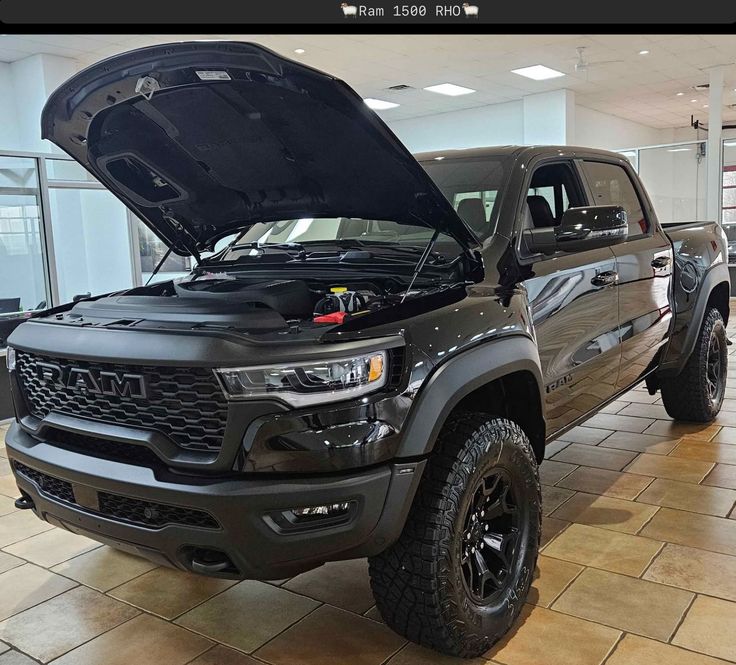
Estimating a car's salvage value involves determining its worth after it's been declared a total loss by an insurance company. The core factors are the vehicle's pre-accident Actual Cash Value (ACV), the extent and type of damage, and current prices for its reusable parts and scrap metal. A general rule of thumb is that a vehicle's salvage value is typically 20% to 40% of its pre-accident ACV, but this range can vary significantly.
The most accurate method is to research what similar salvage vehicles are selling for at online insurance auto auctions like Copart or IAAI. These platforms provide real-world data on what buyers are willing to pay for damaged cars in your area.
Key Factors Influencing Salvage Value:
- Extent of Damage: A car with purely cosmetic damage or a non-structural mechanical failure is worth more than one with a bent frame or flood damage. Repair costs are the primary determinant.
- Vehicle's Age and Pre-Accident Value: A newer, high-value car will have a higher absolute salvage value due to its more valuable parts.
- Desirability of Parts: High-demand models with expensive OEM parts (e.g., specific engines, transmissions, infotainment systems) often have stronger salvage values.
- Scrap Metal Prices: For older cars with minimal reusable parts, the value is tied to the weight and current market rate for crushed metal.
| Data Point | Source / Example | Impact on Salvage Value |
|---|
| Average Salvage Value as % of ACV | Industry reports from CCCIS, Mitchell | 25% - 40% |
| High-Demand Parts Car (e.g., Honda Civic, Toyota Camry) | Copart auction final sale prices | Can exceed 40% of ACV |
| Vehicle with Structural/Frame Damage | IAAI damage severity codes | Often below 25% of ACV |
| Current Price of Scrap Steel (per ton) | Market indexes like S&P Global Platts | Directly impacts lowest-value vehicles |
| Luxury Car with Complex Electronics | Dealer repair cost databases | High parts value but potentially high devaluation due to complexity |
If you're keeping the salvage vehicle (often called "retaining the salvage"), your insurance settlement will be the ACV minus the salvage value and your deductible. For the most precise estimate, especially for a specific vehicle, obtaining quotes from several local salvage yards or using professional valuation tools is recommended.