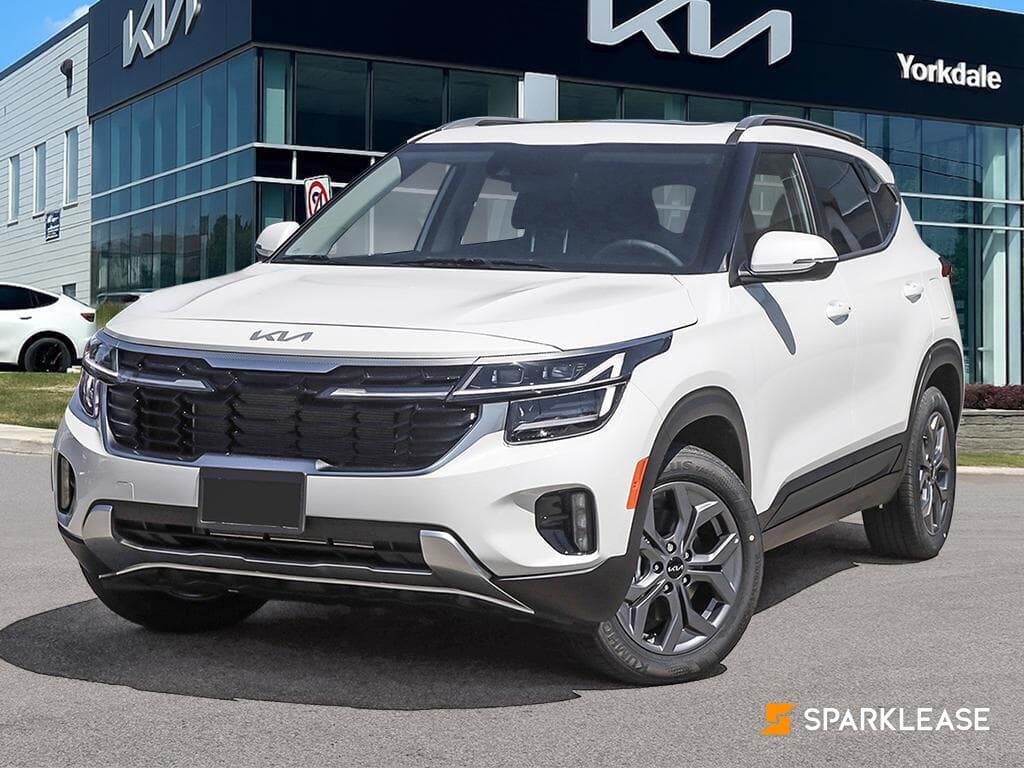
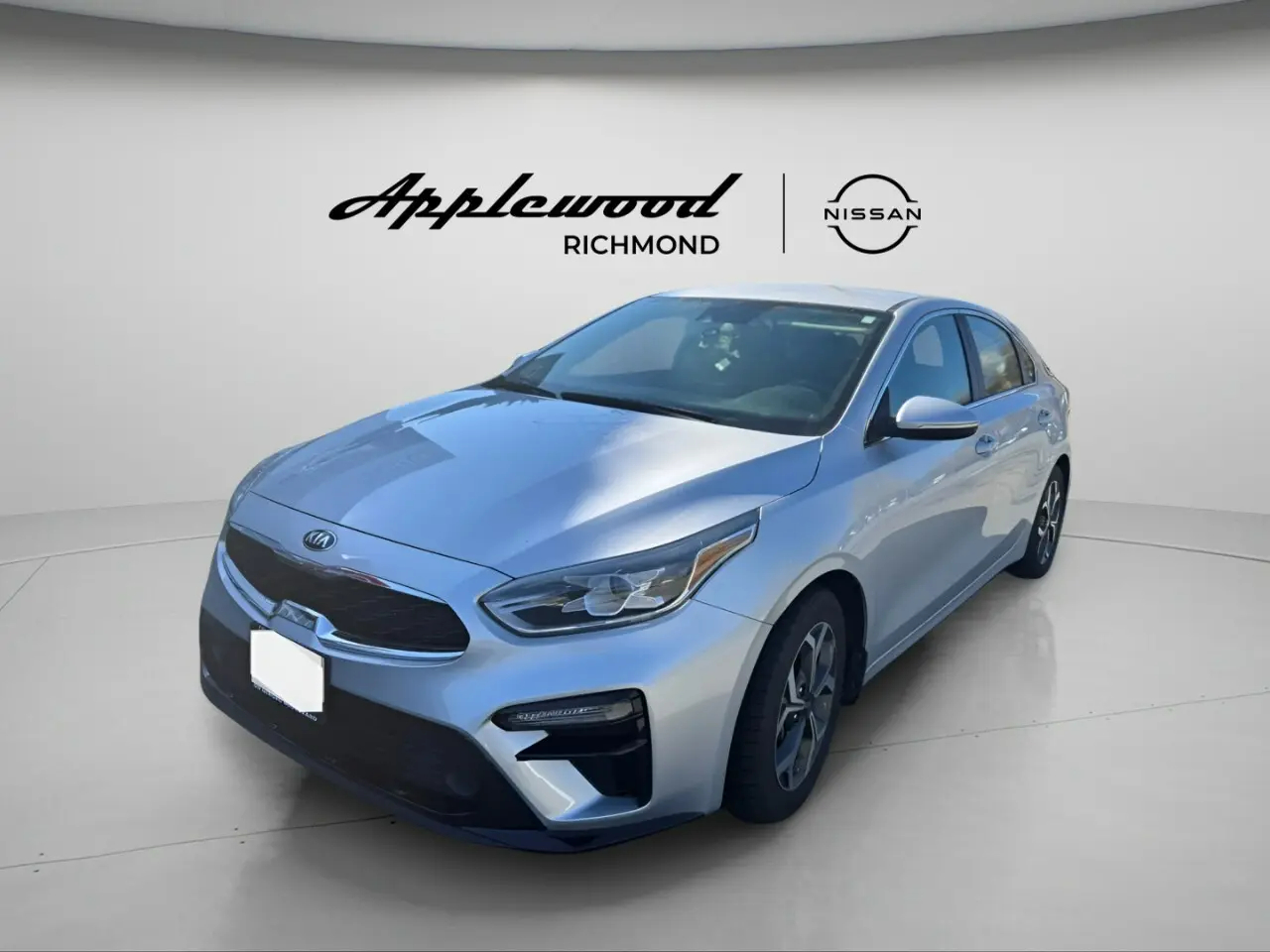
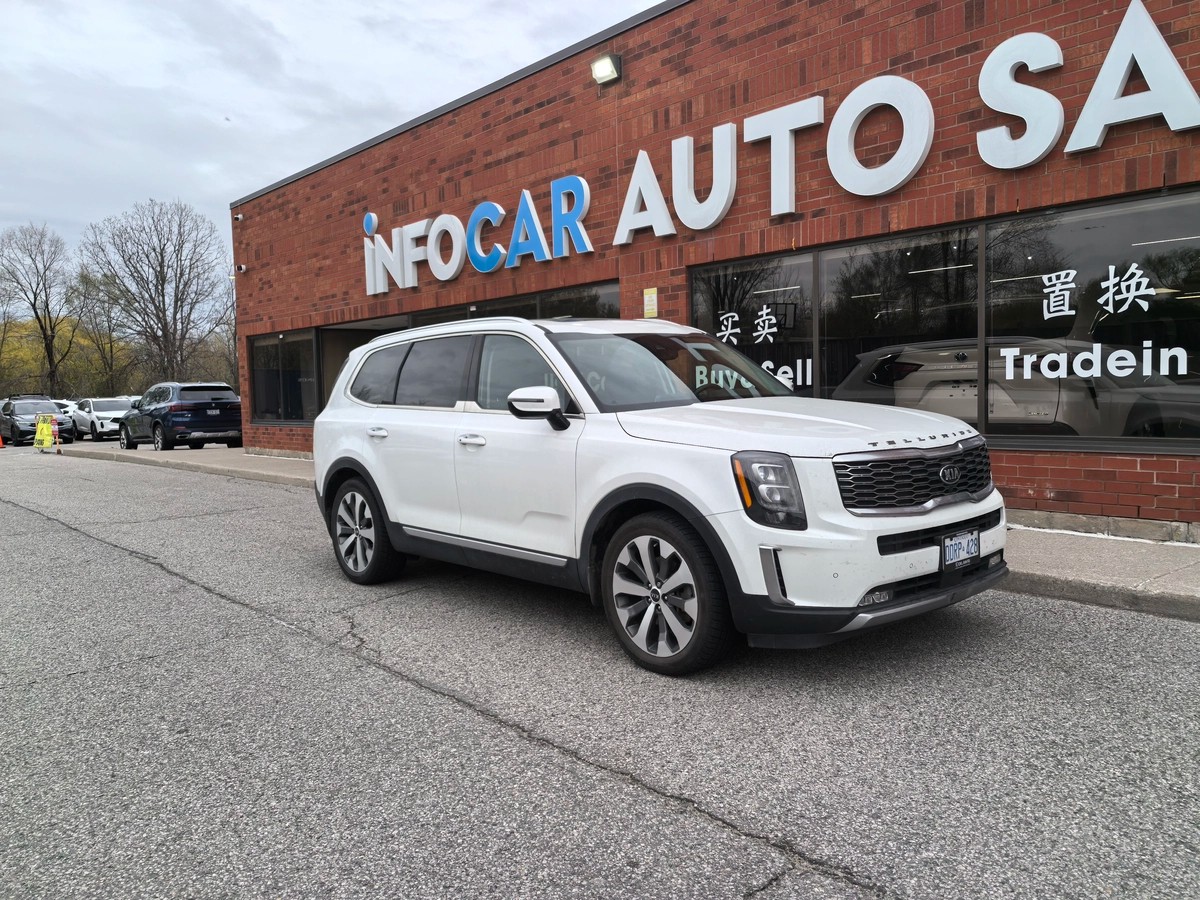
Yes, modern Kia vehicles are widely considered reliable, often ranking alongside or above traditional leaders like Honda and Toyota in major industry studies. This conclusion is supported by sustained high scores in J.D. Power Vehicle Dependability Studies and Consumer Reports predicted reliability ratings over the past five years. The brand’s industry-leading 10-year/100,000-mile powertrain warranty is a direct reflection of its confidence in long-term durability.
A key factor in Kia’s reliability turnaround is its commitment to manufacturing quality and simplified powertrain strategy. While some competitors rapidly implement unproven complex technologies, Kia has focused on refining existing engines and transmissions. For example, the 2.5-liter GDI and Smartstream engines have demonstrated robust performance with fewer widespread issues over multiple model years. This approach minimizes early-adopter problems commonly seen in the automotive sector.
Owner cost data further validates this reliability. RepairPal indicates the average annual repair cost for a Kia is approximately $474, which is notably lower than the $652 industry average. Most repairs are for minor, non-mechanical issues. This translates to lower total cost of ownership, a direct benefit of improved build quality and component longevity. The J.D. Power 2024 U.S. Vehicle Dependability Study placed Kia third overall among mass-market brands, with a score of 136 problems per 100 vehicles (PP100), beating the segment average of 195 PP100.
| Reliability Metric | Kia Performance | Industry Average / Key Benchmark |
|---|
| Avg. Annual Repair Cost | ~$474 (RepairPal) | ~$652 |
| J.D. Power Dependability (2024) | 136 PP100 (3rd Mass Market) | 195 PP100 (Mass Market Avg) |
| Typical Repair Severity | Low (Minor issues) | Mixed |
| Warranty Confidence Signal | 10-year/100,000-mile powertrain | 5-year/60,000-mile typical |
Design philosophy also plays a role. Kia often utilizes proven platform architectures shared with Hyundai, which undergo extensive testing. This allows for incremental improvements rather than ground-up redesigns that can introduce new flaws. Models like the Sorento, Sportage, and Forte have shown consistent reliability across generations, indicating a mature and stable engineering process. Consumer Reports now routinely recommends several Kia models for their combination of reliability and owner satisfaction.
Potential buyers should still be aware of specific model years or components that have had recurrent issues, as with any manufacturer. For instance, some earlier Theta II engines were subject to recalls. However, the brand’s proactive warranty service and the absence of such widespread problems in its current powertrain lineup demonstrate improved quality control. When compared to other mainstream brands, Kia’s combination of strong warranty coverage, competitive ownership costs, and high third-party ratings makes it a reliably smart choice for most consumers.