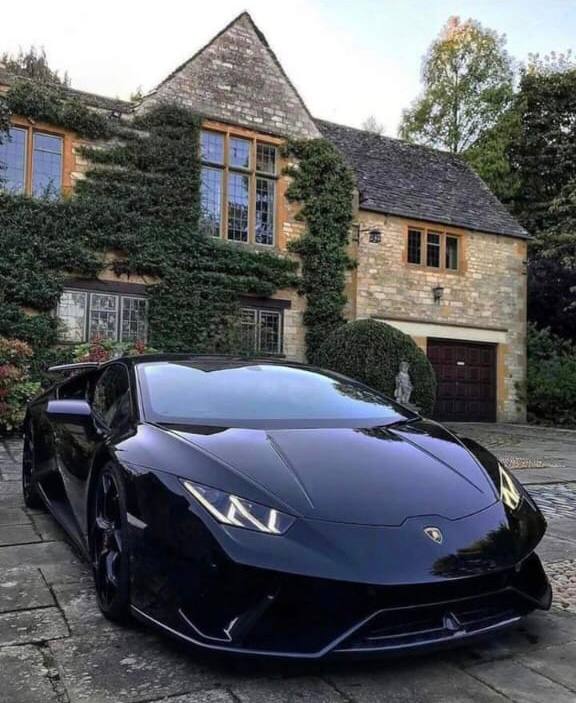
The price of a new Lamborghini in the United States starts around $230,000 for the entry-level Huracán and can exceed $500,000 for models like the Aventador, with limited editions like the Revuelto and Sian reaching well over $1 million. The final cost is highly dependent on the specific model, a vast array of customization options, and dealer-specific fees.
Lamborghini's pricing structure is tiered. The "entry-level" model is the V10-powered Huracán, which can easily climb from its base price past $300,000 with options. The V12-powered flagship, now the Revuelto, starts closer to $600,000. The Urus SUV occupies a unique space, with a starting price around $240,000, making it the most accessible model in the lineup. However, the base price is just the beginning.
| Model | Starting Price (MSRP - U.S.) | Engine | Key Performance Spec (0-60 mph) |
|---|
| Urus | $240,000 | Twin-Turbo V8 | 3.5 seconds |
| Huracán Tecnica | $239,000 | Naturally Aspirated V10 | 2.9 seconds |
| Huracán STO | $333,000 | Naturally Aspirated V10 | 2.9 seconds |
| Revuelto | $608,000 | Plug-in Hybrid V12 | 2.4 seconds |
| Countach LPI 800-4 | $2.64+ Million | Hybrid V12 | 2.7 seconds |
Beyond the MSRP, you must budget for significant ownership costs. Ad Personam, Lamborghini's customization program, allows for near-limitless personalization of colors, interior materials, and carbon fiber components, which can add tens or even hundreds of thousands to the price. Other factors include a Gas Guzzler Tax (for non-hybrid supercars), destination charges, and dealer adjustments. For a used Lamborghini, prices vary dramatically based on model year, mileage, service history, and overall condition, with well-maintained examples of older models often holding their value surprisingly well.