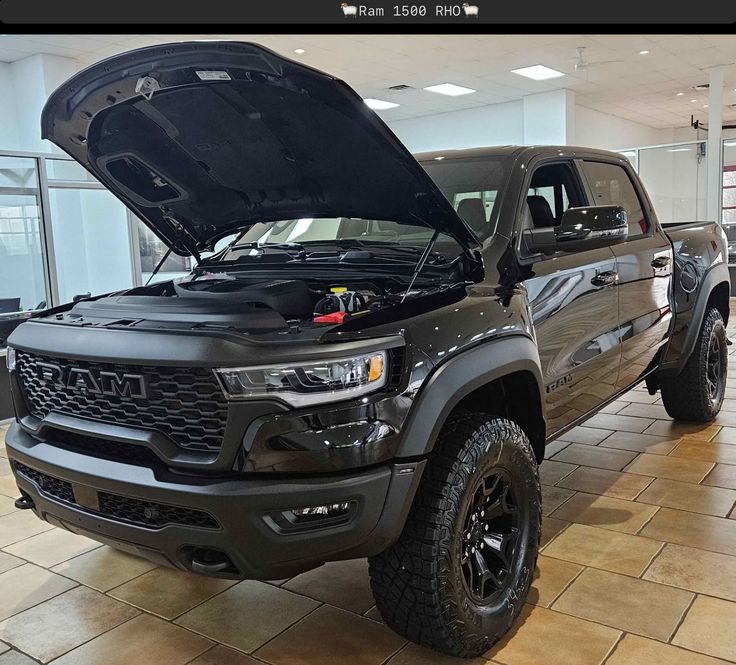
The definition of body-in-white: Body-in-white (BIW), according to the standard terminology of vehicle body and textbook definitions, refers to the welded assembly of body structural components and covering parts. The specific composition is as follows: 1. Front fenders, doors, engine hood, trunk lid, but does not include unpainted body parts without accessories and decorative components. 2. Painted body-in-white plus interior and exterior trims (including dashboard, seats, windshield, carpets, interior panels, etc.). 3. Electronic and electrical systems (audio, wiring harnesses, switches, etc.). 4. Chassis system (including braking, suspension systems, etc.). 5. Powertrain system (including engine, transmission, etc.).

The body-in-white assembly is essentially the car's skeleton. Before painting, I should first explain its general composition, which is typically divided into 5 to 6 major sections. For instance, the floor assembly serves as the foundation, including the front and rear floor panels. The side panel assembly forms the left and right framework, supporting the doors and providing side impact protection. The roof panel covers the top, enhancing overall rigidity. The front and rear panels handle the connections at the front and rear of the car respectively. While browsing automotive magazines, I noticed that modern cars mostly use high-strength steel, which is lightweight yet sturdy, improving fuel efficiency and safety. During assembly, these parts are joined through welding or adhesive bonding, and the quality of welding directly affects driving stability. That's why I pay special attention to checking for body deformation or rust when used cars. The overall body design also impacts noise and vibration control, and keeping it clean during routine maintenance can extend its lifespan.

After working with numerous vehicle models, I've come to realize that the body-in-white assembly typically consists of 6 to 7 core components. For instance, the floor panel covers the ground area of both the chassis and passenger compartment; the side panels include A-pillar and B-pillar structures, providing mounting points for doors; the roof serves as the top enclosure; and there are front and rear bulkheads handling connections. These components are robot-welded into an integrated frame at the factory, primarily using steel or aluminum materials to reduce weight. In my work experience, I've encountered poorly welded body structures that would creak during driving. To prevent such issues, avoid driving aggressively on rough roads. While lightweight body improves fuel efficiency, safety relies on good design. I recommend checking crash test ratings when selecting a vehicle, and promptly addressing any corrosion on body components to maintain structural integrity.

As someone who occasionally delves into cars, I've researched and found that the body-in-white assembly roughly consists of five main parts: the floor assembly serves as the base; the side panel assemblies act as the skeleton on both sides; the roof covers the top; and the front and rear sections connect the engine and trunk. Once welded together, they form a sturdy frame that supports the entire vehicle. Common materials include steel or aluminum, with steel being more durable but heavier. The quality of this frame is crucial when a car—a well-built body protects passengers during collisions and ensures a smooth ride. I must remind you to regularly check the body for any damage or rust spots, especially if you live near the coast, as salt can cause corrosion.

In the field of design, the body-in-white assemblies I typically work with consist of several key blocks, such as the floor assembly integrating front and rear structures; the side panel assembly featuring door openings and pillars; and the roof providing enclosure and protection. These components are assembled into a high-strength frame through spot welding or press joining. Material-wise, high-strength steel or aluminum alloys optimize weight and safety, where body stiffness directly impacts driving comfort and crash performance—I frequently use simulation testing to refine details during development. Welding processes are critical, as defect-free connections ensure long-term body durability.

Considering family car usage, I prioritize safety. The body-in-white assembly consists of approximately 6 major components: the floor section bears the weight; the side panels protect against side collisions; the roof prevents compression; and the front/rear bulkheads connect the parts. When welded together, they form a robust skeleton providing overall support. Quality body materials like hot-dip galvanized steel offer excellent rust resistance, extending vehicle lifespan. When purchasing a car, I first examine the brand's body quality reports - a sturdy body significantly reduces injury risks during accidents, giving me peace of mind when children sit in the back seats. Don't neglect regular car washes either, as accumulated dirt can accelerate corrosion of body components.