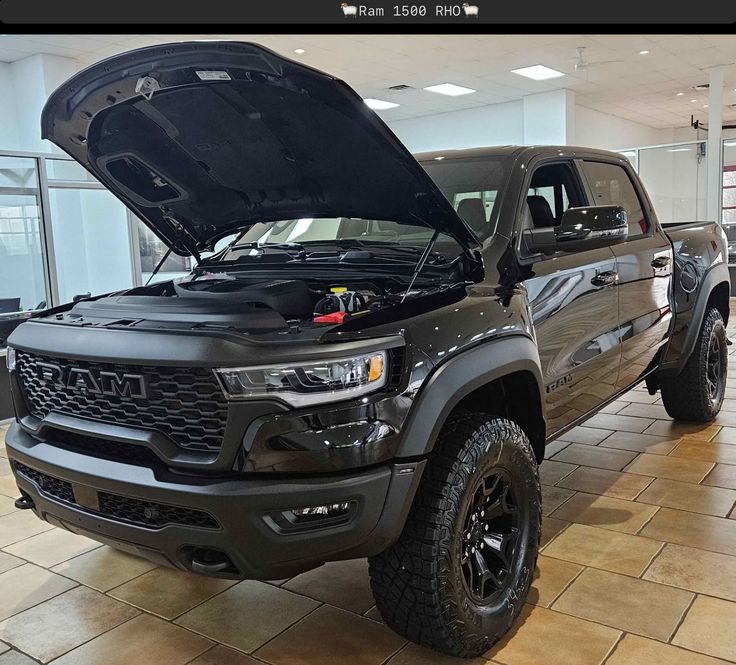
The time required to tint a car typically ranges from 2 to 5 hours for a standard sedan. The exact duration depends on several factors, with the vehicle's size and the type of window film being the most significant. A professional installation is a meticulous process that cannot be rushed for a quality result.
Key Factors Influencing Tinting Time
- Vehicle Size and Complexity: A compact coupe with few windows will be on the lower end of the time spectrum. In contrast, a large SUV like a Chevrolet Suburban or a minivan with additional windows and complex curves will take significantly longer. The rear window is often the most time-consuming due to its large size and the need to carefully heat and shrink the film to fit its curvature without defects.
- Type of Window Film: The material matters. Basic dyed film is more pliable and easier to work with. Ceramic tint, known for its superior heat rejection, is generally thicker and less forgiving, requiring more skill and time to install flawlessly.
- Shop Workload and Technician Experience: A busy shop with multiple cars in the queue may have a longer turnaround time. An experienced technician works more efficiently and makes fewer mistakes, but they still adhere to a careful process that shouldn't be hurried.
The Professional Tinting Process Breakdown
A proper job involves more than just applying the film. The first step is a thorough cleaning and preparation of each window to remove any dirt or debris that could cause bubbles. The film is then precisely cut, shaped, and applied using a slip solution. Finally, the installer uses a squeegee to remove all the liquid and ensure a perfect bond. The car is often left to sit for a period to allow for initial curing before you drive away.
The following table provides a realistic timeframe for different vehicle types:
| Vehicle Type | Estimated Time Frame | Key Considerations |
|---|
| Standard Sedan (e.g., Toyota Camry) | 2 - 3.5 hours | Straightforward windows, smaller rear glass. |
| Coupe (e.g., Ford Mustang) | 2 - 3 hours | Fewer windows, but often has more severe glass angles. |
| SUV / Minivan (e.g., Honda Pilot) | 3.5 - 5 hours | More glass surface area, larger and more complex rear window. |
| Truck (Crew Cab) | 3 - 4.5 hours | Four roll-down windows plus a relatively flat rear window. |
It's crucial to factor in drying or curing time. While the film is installed in hours, it can take several days to fully dry and adhere. During this time, you'll be advised not to roll down the windows to prevent peeling.