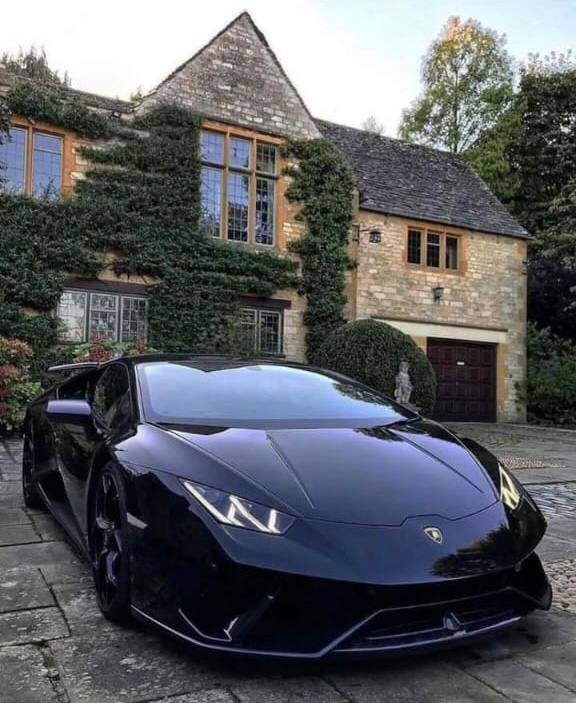
Yes, you can use gloss paint on a car, but it is almost never the final step for a quality, durable finish. Applying a gloss paint (often referred to as a basecoat) must be followed by a clear coat—a transparent, protective layer that provides the deep shine and guards against UV rays, chemicals, and scratches. A basecoat alone will look flat and deteriorate quickly when exposed to the elements.
The key to a professional-looking gloss finish is meticulous surface preparation. Any imperfection in the primer or bodywork, like a small scratch or dust speck, will be magnified once the glossy clear coat is applied. The process involves several critical stages: thorough sanding, applying a primer, sanding the primer to a perfectly smooth surface, applying the color basecoat in multiple thin layers, and finally, spraying several coats of clear coat, which is then often wet-sanded and polished to a high-gloss mirror finish.
For a DIY project, achieving a factory-quality gloss is extremely challenging without professional-grade equipment like a high-volume low-pressure (HVLP) spray gun and a dust-free environment. The difference in outcome and durability between a professional application and a typical DIY job is significant.
| Application Method | Typical Durability | UV Protection | Scratch Resistance | Final Gloss Level | Cost Estimate (Materials) |
|---|---|---|---|---|---|
| Professional Spray Booth | 10+ years | Excellent | Excellent | Mirror-like, deep | $1,500 - $5,000+ |
| Prosumer HVLP Sprayer (Garage) | 5-8 years | Good | Good | High, minor orange peel | $500 - $1,200 |
| Spray Can (Rattle Can) | 1-3 years | Fair to Poor | Poor | Moderate, often textured | $50 - $200 |
| Brush/Roller Application | < 1 year (touch-up only) | None | Very Poor | Low, visible streaks | < $50 |
Using a gloss paint without a clear coat is only advisable for temporary touch-ups on non-critical areas. For any full panel or entire vehicle job, the clear coat is non-negotiable for a lasting, protected shine.










I tried it once on an old fender in my garage. I just bought a can of gloss black and went for it. It looked shiny for about a week, but then it started to fade and get these tiny scratches everywhere. It was a mess. A buddy who works at a body shop explained that I missed the most important part: the clear coat. That's the stuff that actually makes the shine last and protects the color underneath. It’s like putting on a color and then a super tough, clear shield over it. Lesson learned.

As a detailer, I see this often. Gloss paint is just the color. The durability and deep, reflective shine come from a high-quality clear coat. Skipping it is the biggest mistake. The basecoat is soft and porous; without a clear coat, it will oxidize quickly from sun exposure, becoming dull and chalky. It also offers no resistance to swirl marks from washing. Proper application in a controlled environment is everything. The result is a night-and-day difference in both appearance and longevity.

Think of it like painting a piece of furniture. You wouldn't just slap on the colored stain and call it done. You'd seal it with a polyurethane to protect it and make it shine. A car is the same, but it needs a much tougher "seal." The gloss paint is your color. The clear coat is that essential, protective top layer. It's a two-part system designed to work together. Using one without the other gives you a finish that won't hold up to daily driving, weather, or even a simple car wash.

From a technical standpoint, modern automotive finishes are a multi-layer system. The gloss paint you refer to is the basecoat, which provides color but minimal protection. Its job is purely aesthetic. The clear coat, typically a polyurethane-based formulation, is applied wet-on-wet or after a brief flash-off time. It cross-links to form a hard, flexible, and UV-resistant barrier. This layer is what is polished to achieve the desired gloss level. Omitting it leaves the delicate basecoat exposed, guaranteeing premature failure of the finish. It's fundamentally an incomplete process.