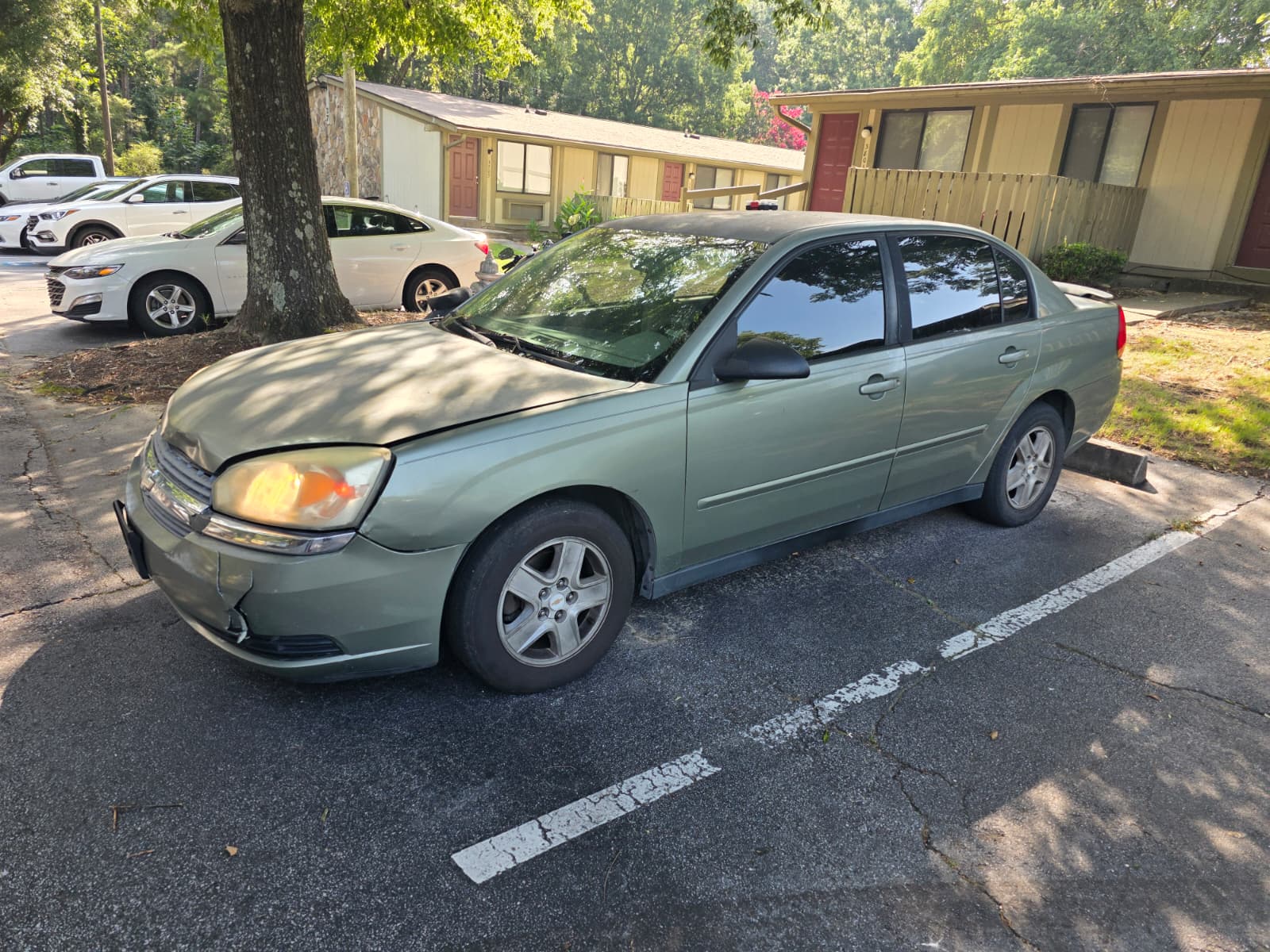
Yes, you can change a title for a car, but the process is officially called transferring a title, and it's a mandatory legal procedure when a vehicle is sold or changes ownership. The core requirement is correctly completing the vehicle's certificate of title, which is the legal document proving ownership, with both the seller (transferor) and the buyer (transferee) signing it in front of a notary, if required by your state.
The most critical step is ensuring the title is filled out flawlessly. Any errors, such as a misspelled name or an incorrect odometer reading, can cause the state's Department of Motor Vehicles (DMV) to reject the application. You'll need the signed title, a completed application for a new title, an odometer disclosure statement, a bill of sale, and proof of payment for any state sales tax and title fees. It's highly recommended to handle this transfer at the DMV or a licensed third-party service to ensure everything is processed correctly. If the title is lost, you must apply for a duplicate before the sale can proceed.
Processing times and specific fees vary significantly by state. The table below illustrates the diversity of requirements across different jurisdictions, highlighting why checking with your local DMV is essential.
| State | Typical Title Transfer Fee | Notarization Required? | Typical Processing Time for New Title | Special Notes |
|---|
| California | $15 | Yes | 2-3 weeks | Smog certificate required for most vehicles. |
| Texas | $28-$33 | No, but signatures must match state ID | 2-4 weeks | Also requires a Vehicle Inspection Report (VIR). |
| Florida | $75.25 | Yes | 2-3 weeks | Includes $2.25 fee for an electronic lien system. |
| New York | $50 | Yes | 6-8 weeks | Sales tax must be paid at the time of title transfer. |
| Colorado | $7.20 | Not typically | 7-10 business days | Requires a VIN verification for most vehicles. |
| Illinois | $95 | Yes | 4-6 weeks | $90 of the fee is for a certificate of title. |
| Arizona | $4 (Title Fee) + $8 (Registration Fee) | No | 4-6 weeks | No statewide emissions testing required. |
| Pennsylvania | $53 | Yes | 8-10 weeks | Requires a notarized Application for Certificate of Title. |