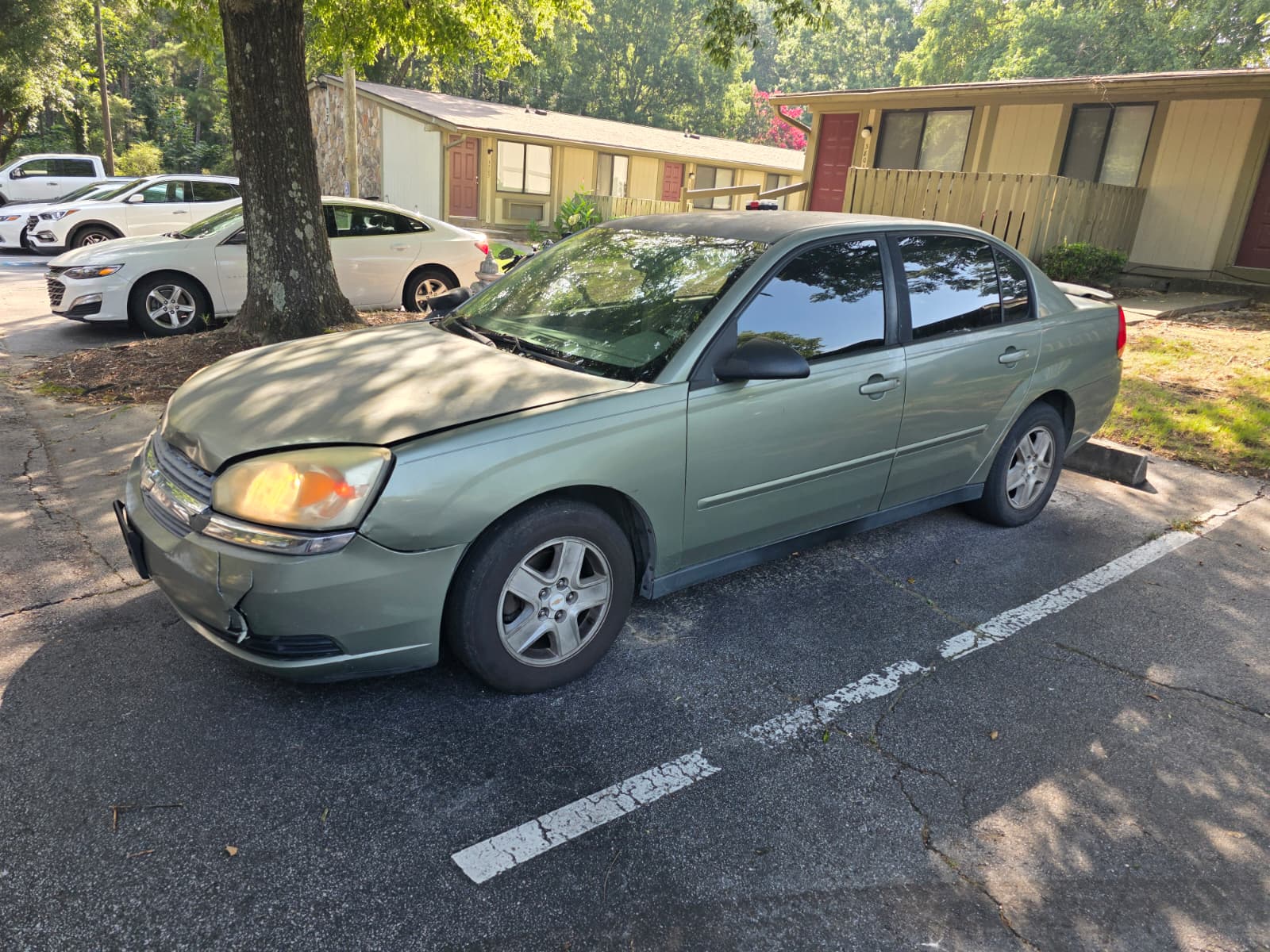
National II gasoline vehicles can pass annual inspection. There are no national regulations requiring the unified scrapping of National II vehicles in 2021, so they can undergo normal vehicle inspection. Annual inspection process: Drive the vehicle to the inspection station entrance and wait for inspection (remove valuables from the vehicle). Hand the vehicle over to inspectors for online testing, while the owner waits to pick it up. After inspection, staff will issue an inspection report, payment receipt, and bind the policy copy. Pay the inspection fee. Annual inspection procedures: First, after submitting the inspection application, proceed with online testing. Drive the vehicle into the automatic testing area to sequentially check whether the exhaust emissions, speed, lights, side slip, and chassis meet standards. All items must pass to proceed. Next is the appearance inspection, verifying the vehicle's license plate, type, body color, engine number, VIN code, and frame number for accuracy. Then inspect the vehicle exterior, checking details such as the bumper, engine compartment, rearview mirrors, lower mirrors, window glass, paint, engine operation status, and for passenger vehicles, the interior and wheels. Finally, the owner can obtain the inspection report and application form from the inspector. If all items pass, they can proceed to pay the inspection fee and receive the vehicle license and compliance label. If any items fail, the owner must repair the vehicle and participate in re-inspection until all items pass before completing the visa procedures.

I've been driving for over a decade. Older cars like those meeting China II emission standards for gasoline vehicles can still technically pass annual inspections, but there are quite a few issues. From my personal experience, the key factor is your location – many urban areas have implemented restrictive policies. In major cities like Beijing and Shanghai, they probably imposed traffic restrictions long ago, making it impossible to pass the annual inspection. However, suburbs aren't as strictly regulated; if your car doesn't have major problems, you might still manage to get it inspected. I recommend checking the local environmental protection bureau's official website in advance to understand the emission standard regulations, so you don't make a wasted trip. The vehicle needs to be well-maintained – if the engine or catalytic converter is aging, the tailpipe emissions test will definitely exceed the limits, requiring major repairs or scrapping. In the long run, driving an old car is both unsafe and fuel-inefficient. It's better to save up for a new energy vehicle or a China VI standard car to avoid these hassles.

I'm quite concerned about automotive environmental protection. National II gasoline vehicles have heavy emissions pollution, and the annual inspection is becoming increasingly difficult. Many cities have introduced early retirement programs, offering subsidies to encourage owners to voluntarily scrap their vehicles. If you insist on going through the inspection, the emission testing standards are very stringent, making it easy to fail. I've seen some examples on forums where a friend's car didn't pass last year due to upgraded standards. Don't worry, you can first go to a 4S shop for a pre-inspection, spending a little money to check if there are any leaks or failures in the emission system. Regular can improve the pass rate, such as replacing spark plugs or cleaning fuel injectors. If all else fails, I recommend switching to a hybrid vehicle—it's cost-effective, eco-friendly, and gives you peace of mind on the road.

Just bought a used National II standard car, and I'm worried about the annual inspection issue. After checking the information, I realized that older emission standard cars aren't necessarily un-inspectable, but policies vary greatly by region. Some areas require upgrades or the installation of additional equipment for approval, which adds significant costs. Personally, I think an old car isn't worth it—maintenance costs and fuel consumption combined might end up costing more than a new car. Before the annual inspection, it's best to conduct a comprehensive check, focusing on whether the oxygen sensor and catalytic converter are functioning properly, as these small components can easily cause issues if they fail. If it really can't pass inspection, you might have to resort to 'yellow bulls' (agents) or scrap it, which is too much hassle.

Annual inspection depends on vehicle condition. Theoretically, gasoline vehicles meeting China II emission standards can pass, but critical systems must be defect-free. I recommend a professional pre-inspection diagnosis to check exhaust pipes, ignition coils, and fuel systems - replace aged components to avoid wasted effort. Urban restrictions are tightening annually, especially with upgraded emission testing standards that yield low pass rates. Regular oil changes and air filter replacements help maintain performance. Long-term use of aging vehicles carries risks like emission-related fines and driving restrictions. Consider evaluating an upgrade to China V or VI standard vehicles for safety and cost-effectiveness.

As an average car owner, I find the annual inspection of National II vehicles particularly challenging when it comes to meeting emission standards. While the allows for inspection, the exhaust emission tests are stringent, and it's almost impossible to pass if the catalytic converter is aging. I've seen a neighbor's car get scrapped directly, which was quite a waste of money. Regular maintenance is crucial—check the engine and exhaust system periodically and use high-quality fuel to reduce carbon buildup. Warming up the car before the annual inspection might help stabilize the system. In any case, safety comes first; older cars are less reliable, so planning for a replacement sooner rather than later is more practical.