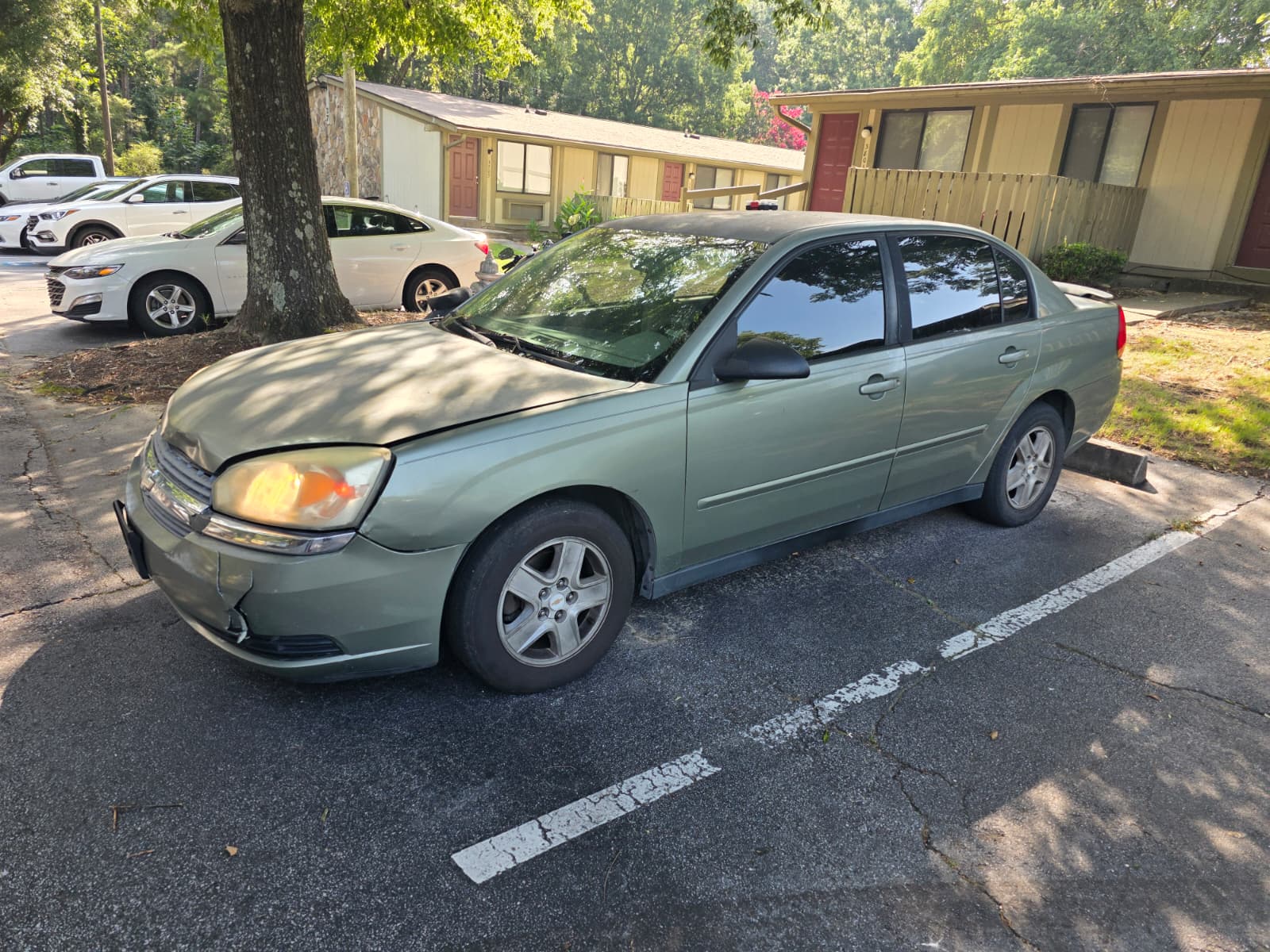
Foam in the car radiator is not a normal phenomenon. Here are the relevant details: Reasons for bubbles in the radiator: Under normal circumstances, there should be no bubbles in the cooling system. The presence of bubbles can reduce the coolant's ability to absorb engine heat, leading to a higher likelihood of rising water temperature. Bubbles in the radiator coolant may indicate a damaged cylinder head gasket. In such cases, the solution is to immediately proceed with repair and replacement. Regularly replace the coolant: The coolant in the car radiator circulates for extended periods, and it is inevitable for various impurities to accumulate, affecting the cooling efficiency. Therefore, it is essential to replace the coolant regularly according to the intervals specified in the vehicle's manual.

I often tinker with my beloved car, and seeing foam bubbling up from the radiator is definitely not normal. Under normal circumstances, the cooling system should have a smooth flow of liquid. The appearance of foam usually indicates that air or other contaminants have mixed in—such as degraded antifreeze or a blown head gasket allowing combustion gases to leak into the system. This significantly reduces cooling efficiency, making the engine prone to overheating and catastrophic failure. I recommend stopping immediately to check the coolant's color and clarity. If it’s still foaming heavily, head straight to a professional repair shop. Don’t underestimate this issue—delaying could lead to engine burnout or even costlier damage. Remember to change the antifreeze regularly and inspect the system’s seals annually, just like maintaining your health.

As a veteran driver with over a decade of experience, I've personally dealt with the trouble of radiator foam. That's not a common occurrence and usually indicates cooling system issues. It could be due to antifreeze mixing with water or air, or internal leaks. I once experienced this – excessive foam triggered engine overheating alarms, and it turned out to be a blown head gasket when towed to the shop. Since then, I check coolant levels and condition every six months, ensuring it's pure green or red liquid without bubbles or contaminants. Handling this is straightforward: if you notice foam, avoid highway driving first, pull over safely to check fluid levels, and seek professional help if bubbles persist. Prevention beats cure – regular can save you headaches.

Foam in the radiator? This is definitely a problem! Under normal circumstances, the coolant should be transparent and flowing smoothly. Foam indicates possible air leakage or contaminated antifreeze, such as uneven chemical reactions caused by adding water. When I noticed it, I immediately stopped to check the fluid level and color, as excessive foam can easily lead to engine overheating and damage. It's recommended to visit a repair shop for diagnosis—don't delay when it comes to driving safety. Usually, be careful not to mix random liquids into it; maintaining the original antifreeze condition is the most reliable.

Before every drive, I always take a quick glance at the coolant reservoir. The presence of foam is definitely not a good sign. Under normal conditions, the liquid should be clear and bubble-free. Excessive bubbling indicates an internal system malfunction, which could be due to aging seals causing air leaks or degraded antifreeze. At best, this issue reduces cooling efficiency; at worst, it can lead to engine failure. My approach is to conduct an immediate preliminary check: open the radiator cap to see if the foam persists, document the condition, and then take it for professional evaluation. Prevention is key: replace the antifreeze annually, avoid diluting it with water, and ensure all hoses are properly sealed. This significantly minimizes unexpected troubles and ensures a more worry-free driving experience.

Foaming in the coolant reservoir is indeed uncommon and abnormal, often signaling a crisis in the cooling system. The foam originates from air mixing in or liquid breakdown, possibly due to expired antifreeze or internal engine leaks releasing gases. The consequences are severe: it can lead to cooling failure, engine overheating, or even stalling. Whenever I notice foam, I first use a thermometer to check the water temperature, confirm it's normal, then drive slowly to a repair shop. Routine is straightforward: inspect the cooling system every 5,000 kilometers, and choose reputable brands when replacing antifreeze to prevent deterioration. Though a minor issue, it can lead to major disasters—safe driving starts with attention to detail.