The main reason is the design defect in the engine, which causes issues like rising oil levels and emulsification. Here is some related information about : 1. Introduction: Kia, or Kia Motors Corporation, is the earliest automobile manufacturer in South Korea. In 2000, it merged with Hyundai Group to form Hyundai Kia Automotive Group. Hyundai Kia Automotive Group is the world's fifth-largest automobile manufacturer by production. 2. Company History: The predecessor of Kia Motors was established in December 1944. Initially, it was a small factory that manually produced bicycle parts. In March 1952, it manufactured South Korea's first bicycle, named 'Samchully,' and the company was renamed Kia Industries.


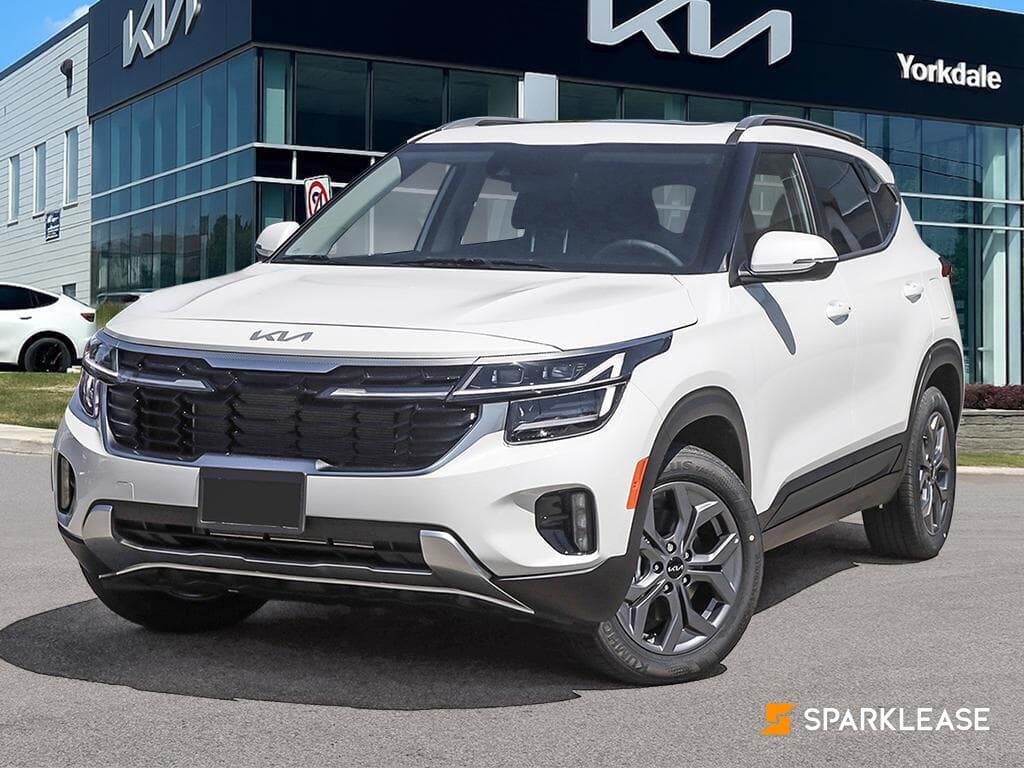
From a brand and market perspective, the KX5's lack of popularity is primarily due to Kia's weak brand influence, especially in the SUV market where models like the Toyota RAV4 or Honda CR-V come to mind more easily, making the KX5 less noticeable. The market competition is too fierce, with every brand launching new models, and Kia's insufficient marketing investment and limited advertising mean many people aren't even aware of this model. The design also lacks innovation—its styling is mediocre and uninspired, and driving it feels unremarkable. The powertrain is still a traditional fuel version, while hybrids or electric vehicles are trending now, so falling behind the trend naturally makes it less popular. In car enthusiast groups, I've noticed that most people prioritize brands with strong reputations when buying a car. Although Kia's reliability isn't bad, the KX5 lacks standout promotional points, offers average value for money, and doesn't have a particularly competitive price—all of which contribute to its low popularity. If Kia could organize more events and emphasize practicality and a low-price strategy, it might attract more attention.

From a design and functionality perspective, I test-drove the KX5 and found it rather bland to drive, with ordinary interior materials and lacking a sense of style. Compared to competitors like the Volkswagen Tiguan, its screen is smaller, it has fewer intelligent driving assistance features, and it lacks novelty. Nowadays, consumers are drawn to cool tech features like panoramic sunroofs or voice control, which the KX5 lacks, making it seem outdated. Additionally, the car's practicality isn't outstanding—its space layout is just average, parts are hard to find for maintenance, and upkeep costs are relatively high. With so many options on the market, domestic SUVs at similar price points offer more features, causing the KX5 to be overlooked. I've seen friends car shopping—they care more about driving excitement and eye-catching looks, which this car doesn't deliver. Word-of-mouth spreads slowly, and 4S store services aren't enthusiastic, so overall, it lacks competitiveness.

From a price and value perspective, the KX5 is somewhat expensive, with its entry-level version offering lower configurations. Compared to the RAV4, the latter has higher resale value and lower maintenance costs. When purchasing a car, people calculate costs—fuel expenses are average for daily use, but the lower resale value in the long term affects the return on investment. The market competition is fierce, and the brand strength is insufficient, making options like the CR-V or domestic H6 more cost-effective.

Regarding user feedback, the KX5 is often criticized in forums for having many minor issues, such as abnormal noises, slow after- response, and difficulty in obtaining parts, which lowers its reliability score. The brand image is already mediocre, and coupled with poor maintenance experiences, it makes potential buyers hesitant. The market trend is shifting towards smart cars, while the KX5's features are outdated, its design hasn't been updated, and it has low recognition in the used car market, making transactions difficult. As a result, fewer and fewer people are buying it.

From a macro perspective, the market has changed with an oversaturation of SUV categories. As a latecomer, the KX5 failed to accurately capture consumer demands, featuring conservative design and weak functionality, lacking highlights like hybrid or electric options. Automakers like have stolen the spotlight by promoting new energy vehicles. Although Kia has made efforts, the KX5 suffers from insufficient marketing and mediocre cost-performance. Consumer preferences have shifted toward personalization, making this mediocre model less appealing and ultimately leaving it overshadowed in the competitive landscape.