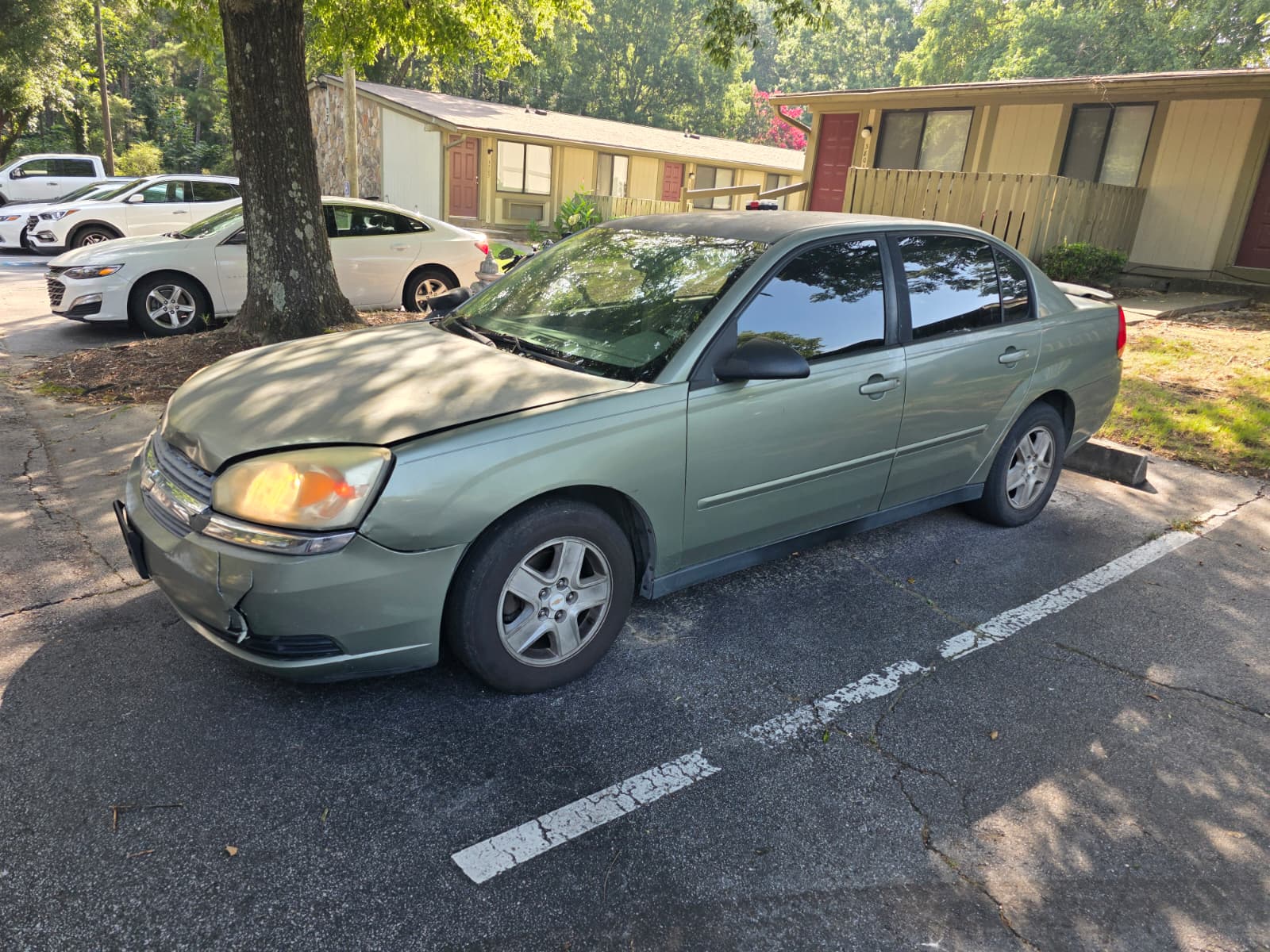
The Cruze's brake suddenly becoming hard and difficult to press is due to a failure in the vacuum booster pump, which needs to be replaced immediately. Below is a partial introduction about the automotive braking system: 1. The braking system of a car is crucial as it affects the vehicle's driving stability and safety. 2. The main components of the braking system include the vacuum booster pump, master cylinder, wheel cylinder, brake pads, and brake discs. 3. The vacuum booster pump provides assistance; after the driver presses the brake pedal, the vacuum booster pump can offer assistance, making it easier for the driver to press the brake pedal. 4. After pressing the brake pedal, the master cylinder pushes the wheel cylinder through brake fluid, and the wheel cylinder can then push the brake pads to clamp the brake discs, thereby slowing down the vehicle.

The other day when I was driving my Cruze, suddenly the brake pedal became extremely stiff and wouldn't budge, which really panicked me. The mechanic said the most common causes are either a vacuum booster leak (where the engine isn't creating enough vacuum to assist braking) or brake fluid leakage leading to insufficient system pressure. If the engine stalled and restarted, the vacuum pump might have temporarily malfunctioned. If you encounter this situation, absolutely don't force the car to keep moving - find a safe spot to pull over slowly, turn on the hazard lights, and never attempt high-speed driving. It's recommended to regularly check brake fluid levels and vacuum hoses to prevent issues caused by aging or cracks. Brakes are literally life-and-death - small problems can escalate into disasters, so get it fixed at a professional repair shop immediately.

Sudden brake stiffness is often caused by a vacuum system failure. The vacuum booster or vacuum lines in your Cruze may be leaking, reducing the assist effect and forcing you to apply excessive pedal pressure. Another common cause is insufficient or leaking brake fluid, leading to decreased system pressure and sticking. During inspection, first check for cracks at the vacuum pump and line connections, and whether the brake fluid reservoir is empty. In severe cases, brakes may fail completely, posing high danger. If encountering this while driving, immediately downshift to slow down, pull over safely, and call for a tow truck. Do not attempt DIY repairs—only professionals with diagnostic tools can accurately identify and fix the issue. Regular brake is key to prevention.

The brake pedal is so stiff it's almost impossible to press—extremely dangerous! This issue with the Cruze often stems from a vacuum leak—when the power assist system fails, you're left relying solely on muscle power to brake. It could also be due to a damaged or leaking master cylinder, causing insufficient hydraulic pressure and making braking difficult to control. If this happens suddenly while driving, don't panic. Immediately turn on your hazard warning lights, shift to a lower gear to slow down, and pull over safely. Have the car towed to a dealership for inspection and repair, which may involve replacing parts or sealing the lines. Safety comes first—address the issue early for peace of mind.

The Cruze's brake pedal becoming stiff is primarily caused by a vacuum booster failure. Air leaks in the vacuum pump or lines result in loss of power assist, making pedal operation laborious. Brake fluid leaks can also lead to insufficient pressure. If this occurs suddenly while driving, it's essential to stop and check the fluid level and vacuum system. Prevention is better than repair: inspect the brake fluid color and quantity monthly, and have the vacuum lines professionally checked for wear annually. Prompt attention prevents further component damage.

A hard, immovable brake pedal is often due to a vacuum booster issue. The engine generates vacuum to assist braking via hoses. In the Cruze, common causes are hose cracks or booster pump failure leading to air leaks and loss of assist. Low brake fluid or master cylinder leaks can also reduce hydraulic pressure. This significantly lowers braking efficiency and increases risk. Safely pull over to inspect components, but avoid DIY repairs - professional mechanic service is strongly advised. Safe driving relies on meticulous .