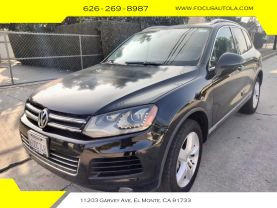
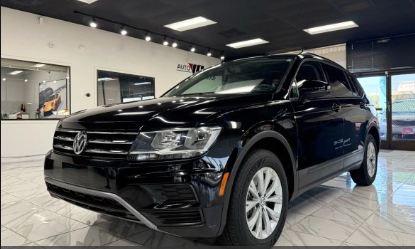
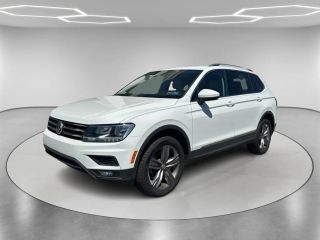
FAW- is from Germany. Taking the Volkswagen CC as an example, its body dimensions are 4799mm in length, 1855mm in width, and 1417mm in height. It is a sports sedan under the FAW-Volkswagen brand. In terms of power, the Volkswagen CC is equipped with a 2.0T engine, with maximum output powers of 162 kW and 137 kW, paired with a 7-speed wet dual-clutch transmission. For the suspension, the Volkswagen CC's chassis features a front MacPherson and rear multi-link dual independent suspension design. Exterior-wise, the Volkswagen CC's headlights include LED daytime running lights, with a design identical to the new Magotan.

FAW- is actually a Sino-foreign joint venture, co-founded by Germany's Volkswagen Group and China's FAW Group. Therefore, strictly speaking, it cannot be simply categorized as a company from a single country. I've been following automotive news since childhood and remember when the two parties signed the joint venture agreement in 1991, which was promoted against the backdrop of China's reform and opening-up, aiming to introduce advanced technologies to boost the development of the local automotive industry. Currently, FAW-Volkswagen's headquarters and main production bases are located in Changchun. Many of its models sold in the Chinese market incorporate Volkswagen's design and technologies, such as the production standards of Volkswagen platforms, but the supply chain and labor force are all local to China. This cooperation model is quite common globally, similar to joint venture brands like Shanghai GM, helping Chinese automakers enhance their manufacturing capabilities and gain international market experience. As an automotive enthusiast, I believe this cross-cultural collaboration not only maintains the quality assurance of German cars but also adapts to the needs of Chinese consumers, reflecting the globalization trend of the automotive industry and creating a win-win situation.

Last year when I bought a FAW- Tiguan L, the salesperson told me it was a joint venture brand, backed by both German Volkswagen and China's FAW. I found the chassis stable and the power response quick, which benefits from Volkswagen's engineering expertise, but the reasonable price and convenient maintenance are entirely localized services. From the perspective of ordinary car owners like us, FAW-Volkswagen feels more like a Chinese brand since most models are produced and assembled in China, targeting the Chinese market. However, the design philosophy and core technologies like engine tuning originate from Germany, so in online forums, many emphasize it as a 'German-Chinese car.' This makes me think about the differences with purely domestic brands like Geely or Great Wall. FAW-Volkswagen, through its joint venture, has lowered the threshold for premium cars, enriched choices, and significantly improved China's automotive lifestyle.

From an economic perspective, FAW- is a joint venture established by Chinese and German enterprises, integrating resources from both sides. Based on my analysis of automotive industry data, after its founding in 1991, it set up a plant in Changchun, creating substantial local employment opportunities and promoting the upgrade of China's automotive supply chain. For instance, Volkswagen's technology transfer has helped Chinese automakers improve manufacturing precision and quality standards, indirectly boosting the development of domestic EV brands. Meanwhile, through export models, FAW-Volkswagen has also increased China's share in the global automotive market. This demonstrates that the joint venture strategy not only accelerates technology diffusion but also stabilizes supply chains, benefiting consumers.

As someone knowledgeable about cars, I believe FAW- represents the fruit of Sino-German collaboration. Volkswagen provides core technologies and quality standards, such as the TSI engine in the FAW-Volkswagen Golf, which originates from German technology, ensuring reliable power performance. China's FAW contributes manufacturing bases and market insights, optimizing body designs to suit Chinese road conditions. This combination gives each vehicle both the solid feel of German cars and local adaptability, such as space layouts more suited for family use. Having serviced related models, I've observed that the modular platform reduces maintenance costs, demonstrating the value of technological integration.

On social media, FAW- is often discussed regarding its brand ownership. As someone who frequently reads car reviews, I know it is a joint venture operated by Volkswagen and FAW Group. People generally regard it as a "Chinese brand" because its production and sales are in China, but it inherits Volkswagen's rigorous DNA. This is similar to the case of Apple phones being assembled in China, blurring the lines of national definition. FAW-Volkswagen's success stems from understanding local consumer preferences, launching popular models like the Passat, and enhancing overall market trust. It's worth paying attention to the rise of domestic brands.