The countries that buy the most cars are consistently China, the United States, Japan, India, and Germany. China is the undisputed leader, with new vehicle sales often exceeding 26 million units annually, which is more than double the sales volume of the United States. This ranking is based on annual sales data from authoritative sources like the International Organization of Motor Vehicle Manufacturers (OICA).
The global automotive market is heavily concentrated, with the top five countries accounting for well over half of all light vehicle sales worldwide. The specific order can fluctuate slightly year-to-year based on economic conditions, but the leading players have remained relatively stable for the past decade. The dominance of these markets is driven by factors like population size, economic strength, infrastructure, and consumer demand.
| Country | Estimated Annual New Car Sales (Millions of Units) | Key Market Characteristics |
|---|
| China | ~26 million | Largest global market, rapid EV adoption, strong government influence. |
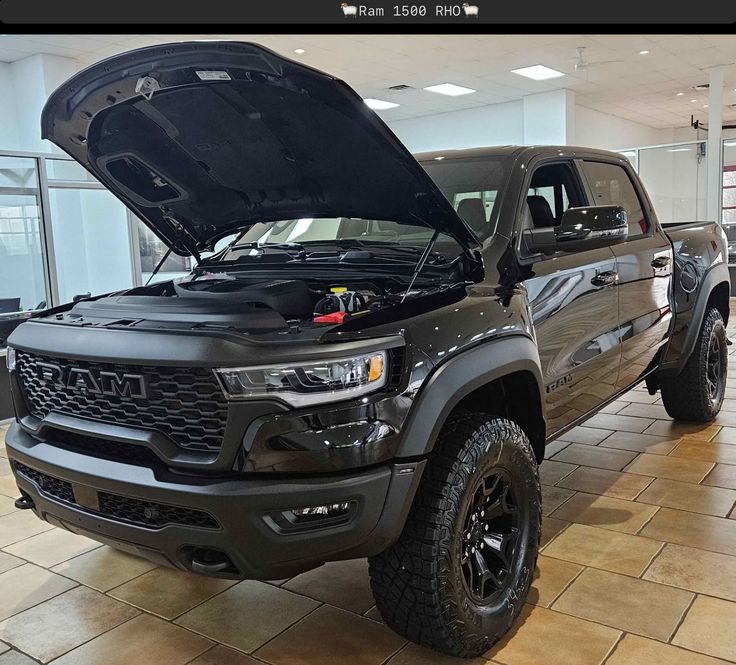
| United States | ~13-15 million | Mature market, high preference for SUVs and trucks, strong credit-based purchases. |
| India | ~4-5 million | Fast-growing, price-sensitive, dominated by small cars and motorcycles. |
| Japan | ~4-5 million | Mature, compact car preference, highly competitive domestic manufacturers. |
| Germany | ~3 million | Home to premium brands, strong economy, high environmental standards. |
| Brazil | ~2 million | Largest market in South America, subject to economic volatility. |
| United Kingdom | ~2 million | Mature market with high import penetration, strong fleet sales. |
| France | ~2 million | Government incentives for EVs, strong presence of domestic brands. |
| South Korea | ~1.7 million | Dominated by Hyundai-Kia, high vehicle ownership per capita. |
| Russia | ~1 million (pre-2022) | Market significantly impacted by recent geopolitical events. |
China's massive scale is attributed to its enormous population and a burgeoning middle class. The U.S. market is characterized by its size and a strong preference for light trucks (including SUVs and pickups). Meanwhile, India represents the high-growth potential of emerging economies, though its sales volume per capita is still lower than in mature markets.