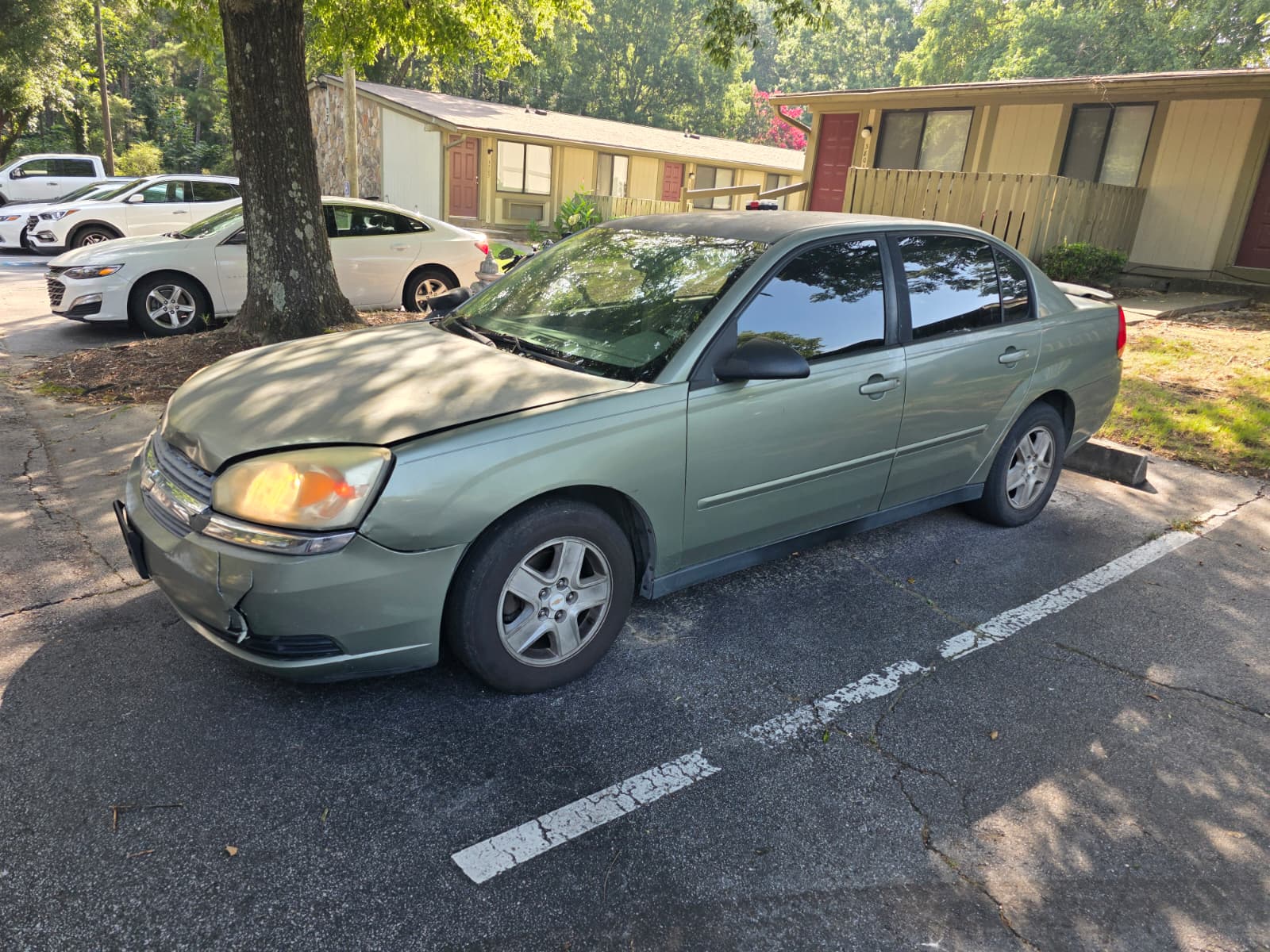
is an American car brand marketed by General Motors in the United States, Canada, and China. The Buick lineup includes models such as Excelle, Verano, Envision, Regal, LaCrosse, Enclave, Envision, Encore, GL8, GL6, and the all-electric VELITE6. Taking the Buick Regal as an example, this car is a mid-size sedan with body dimensions of 4913mm in length, 1863mm in width, and 1462mm in height. In terms of suspension, the Buick Regal uses a MacPherson strut front suspension and a multi-link rear suspension. Exterior-wise, the Buick Regal features a large-sized winged chrome grille that extends horizontally from the centerline.

Speaking of the brand, it's quite interesting. It boasts pure American heritage as a classic marque under General Motors. Founded in Detroit, USA in 1903 by David Buick, it later became an important member of the GM family after being acquired. Though an American brand, Buick has achieved remarkable success in China since entering the market in the late 20th century. The brand excels at localization strategies, designing models tailored specifically to Chinese preferences. Take the GL8 business MPV for example - you won't find this model in the U.S. as it was exclusively developed for the Chinese market. Nowadays, Buick even established its R&D center directly in Shanghai. Selling hundreds of thousands of units annually in China (outperforming its U.S. sales), Buick has truly become the most China-savvy American automaker.

I've been driving a for five years now, and this brand holds a unique position within the GM system, focusing on mid-to-high-end sedans and SUVs. Unlike its sibling brand Chevrolet which targets the mass market, and Cadillac which leans towards luxury, Buick primarily operates in the 200,000 to 400,000 RMB price range. Its main models like the Excelle, Regal, and Envision are all very practical. What stands out is its attention to material quality – features like genuine leather seats and multi-layer soundproofing glass are quite substantial. I remember test driving the new LaCrosse last year; the chassis tuning was exceptionally stable, making it more comfortable over speed bumps compared to Japanese cars. In terms of new energy vehicles, Buick is also transitioning, with electric vehicles from the Ultium platform showing decent range performance, making it a representative of American brands that balances tradition with innovation.

From the perspective of automotive brand genealogy, Buick's position within General Motors' family tree is quite clear. It shares engine technology with , such as the 1.5T Ecotec engine used in both brands' vehicles. They also share vehicle platforms, like the C1XX platform used by both the Envision and Cadillac XT5. Interestingly, Buick holds a more premium positioning in China, whereas Chevrolet might be more recognized in North America. Here, Buick is often perceived as more prestigious. My recent research into automotive brands revealed that Buick's three-shield logo is derived from the founder's family crest, giving it a historical touch. Currently sold in over thirty countries, China contributes 80% of its global sales, showcasing how localization has paved its path to success.

What makes truly unique is its development trajectory. Acquired by General Motors as early as 1908, the brand truly took off after entering China in 1997. Back then, it captured the official vehicle market with the Century sedan, leaving a deep impression on the older generation. Today, its main models include the business-oriented LaCrosse, the compact SUV Encore, and the GL8 which dominates the MPV market. I've noticed Buick excels in interior craftsmanship—details like double-stitched dashboards add significant appeal. Last month, a mechanic mentioned Buick's mature parts supply system, where common components are often shared with Chevrolet, making maintenance costs considerably lower than luxury brands. Despite bearing an American badge, Buick's R&D and production are highly localized—even the Envision, an American-style SUV designed by the Chinese team, gets exported back to the U.S.

After driving German and Japanese cars and then switching to a , the most noticeable difference is the chassis tuning style. Buick vehicles generally lean towards comfort, with suspensions softer than German cars but much more stable than older American models. Last year, I took a friend's Enclave on a long trip, and the ANC active noise cancellation really worked—it was noticeably quieter on the highway compared to cars in the same price range. As for its origins, Buick is indeed a core brand under GM, but you can see its engine technology evolves particularly fast. The new 1.3T Ecotec with 48V mild hybrid can achieve a fuel consumption of around six liters. In the Chinese market, Buick has also introduced innovations, like equipping the GL8 with an intelligent connectivity system and features like remote engine start and air conditioning control via smartphone, which are very practical. Although its roots are in Detroit, the development of new models is now primarily led by the Chinese team.