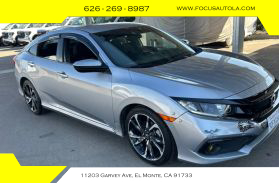
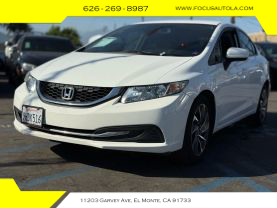
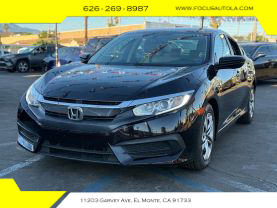
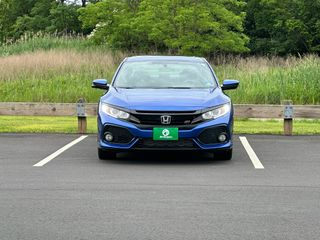
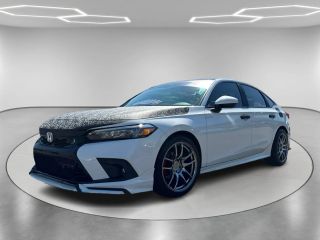
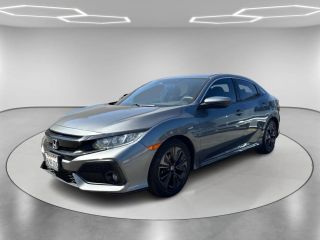
The USB port in the Civic is located inside the front center armrest. It comes standard with a USB port across all trims, but there is only one USB port. The Civic is a model under Dongfeng , with body dimensions of 4649mm in length, 1800mm in width, and 1416mm in height, and a wheelbase of 2700mm. In terms of appearance, the Civic is stylish and elegant, with smooth body lines, and the hatchback design has undergone significant changes compared to the previous model. The interior of the Civic is finely crafted, with a fashionable design and a distinct sense of layering. It is equipped with a variety of functional features, although the extensive use of hard plastics results in a less-than-ideal tactile experience. The seats, however, offer good comfort.

I remember finding the USB port in the Civic was quite easy—it's right under the center console, near the cigarette lighter or next to the multimedia screen, easily reachable as soon as you get in the car. Most models have two locations: the center console area near the front driver's seat and inside the center armrest, convenient for plugging in your to charge or connect to CarPlay for music. Some versions may also have a USB port under the rear air vents, allowing backseat passengers to charge their tablets or phones. It's best to familiarize yourself with the locations before driving to avoid distractions and potential hazards on the road. Last time, my phone ran out of battery and the navigation cut off, which was quite a hassle. I recommend checking the manual to confirm the locations as soon as you get a new car. Regularly cleaning the ports can also prevent dust buildup that might cause poor connections.

As a frequent user of the Civic for picking up kids, I find the USB port design very thoughtful. The main port is usually under the center console, convenient for using navigation while driving. There's also a hidden USB inside the center armrest, ideal for neat charging without clutter. Some models feature an additional USB below the rear air vents, making it easy for children in the back seat to charge devices. All these locations are safety-considered to minimize distracted driving. When connecting your phone, always test if the port functions properly to avoid device malfunctions. Personally, I prefer regularly checking cables to prevent aging from affecting charging efficiency. Taking some time to familiarize yourself with the car's layout after purchase can significantly enhance the overall driving experience.

The Civic's USB ports are commonly located in two places: near the driver's seat under the center console and inside the center armrest. The front ports are convenient for daily use, easily connecting CarPlay or Android Auto. If there are rear USB ports, they are usually found below the air vents. Remember these spots for quick access when parked, keeping your charging devices running smoothly. Port locations may vary slightly by model year, so checking the user manual is the fastest way to confirm. Keeping the ports clean is crucial to prevent dust interference. A simple action ensures worry-free driving safety.

From an automotive design perspective, the Civic's USB ports are positioned at the base of the center console area or inside the center armrest, serving both data connectivity and charging purposes. Some newer models have been upgraded with USB-C ports for faster data transfer. The placement prioritizes accessibility and aesthetic integration, ensuring drivers can easily reach them while operating the vehicle. When connecting mobile devices, verify that the port is powered and clear of debris to ensure proper functionality. Regular cleaning to remove dust accumulation helps prolong the port's lifespan. If uncertain about specific model variations, test device connectivity after starting the vehicle to confirm compatibility. These practical tips can streamline your in-car connectivity experience.

Having driven the Civic for years, I'm very familiar with the USB port locations. They're mainly found below or beside the infotainment display, with backup ports often in the center console. Rear-seat versions have USB ports near the rear air vents. Taking a few seconds to locate them while parked prevents distracted searching while driving. Once your is connected, charging or navigation becomes hassle-free, reducing range anxiety-related risks. I recommend new owners familiarize themselves with the car's layout, including USB points, for safety and convenience. Experience has taught me that keeping cables tidy helps avoid unexpected issues.