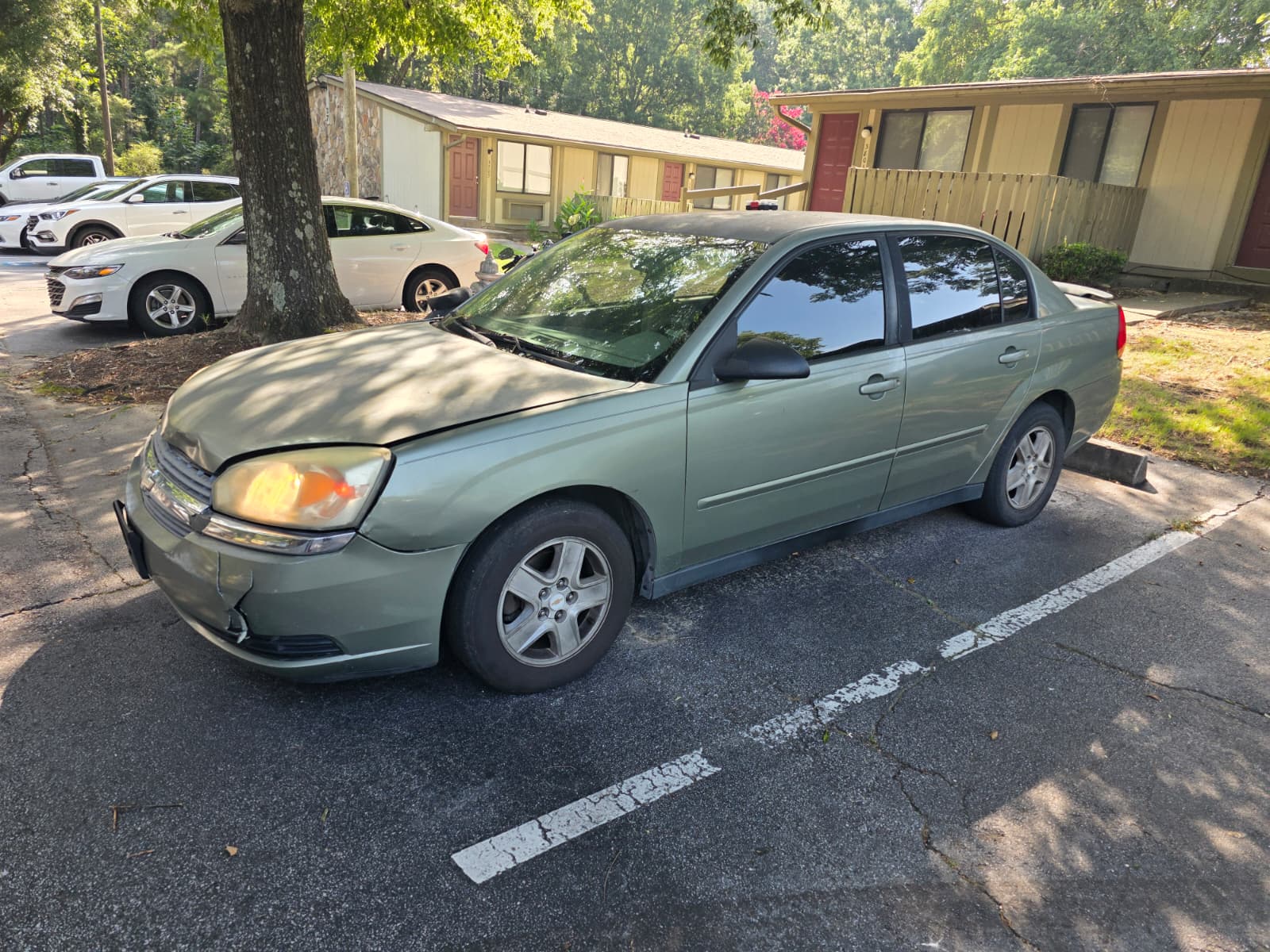
You generally cannot get a standard car insurance policy in your own name without a valid driver's license. Insurance companies issue policies based on the risk associated with a licensed driver. However, there are specific, limited scenarios where you might need to insure a vehicle you own but do not drive.
The most common situation is if you are a car owner who does not drive but allows other licensed individuals to operate your vehicle. In this case, you would be listed as the owner on the policy, while the primary licensed driver would be listed as the main operator. The insurance is tied to the vehicle, but the premium is calculated based on the driving history of the primary operator. This is often seen with elderly individuals who no longer drive but own a car used by a family member.
Another scenario involves insuring a classic or collector car that is not driven regularly and is kept for display or investment purposes. Some specialty insurers offer "storage" or "comprehensive-only" policies that cover the vehicle against theft, fire, or damage while in storage, but explicitly exclude liability coverage for driving on public roads.
If you are in the process of getting your license, you typically cannot get insurance until you have the license in hand. Newly licensed drivers are usually added to an existing family policy. It is crucial to be transparent with insurers. Attempting to omit the fact that you are unlicensed can lead to a denied claim or policy cancellation for misrepresentation.
| Scenario | Possibility | Key Considerations |
|---|
| You own a car, others drive it | Possible | The primary licensed driver must be listed on the policy. You are the registered owner. |
| Classic/Collector Car in Storage | Possible | "Storage-only" policies cover physical damage but provide no driving liability coverage. |
| You are learning to drive (Permit) | Not directly | You must be added as a driver to a policy held by a licensed supervisor (e.g., parent). |
| Getting insurance for yourself alone | Not Possible | A valid driver's license is a non-negotiable requirement for a standard policy. |
| Non-US resident owning a car in the US | Complex | May require an International Driving Permit and a licensed US driver as the main operator. |
The best course of action is to contact insurance providers directly, explain your exact situation, and ask about your options. They can provide the most accurate guidance based on your state's laws and their company underwriting rules.