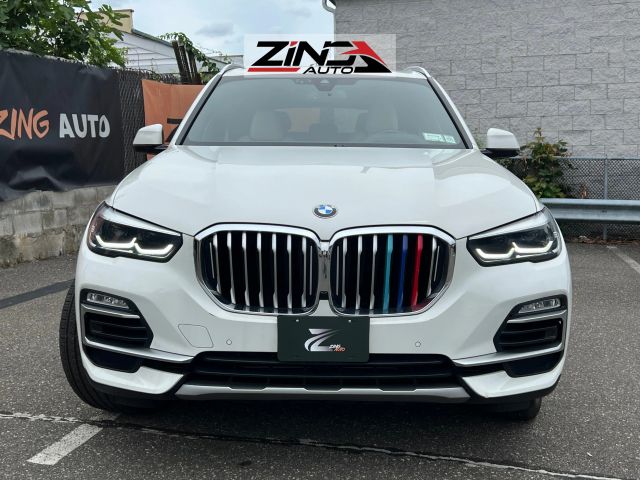
5 Series has a fuel tank capacity of 68 liters, and the manufacturer recommends using 95-octane gasoline. The specific refueling process is as follows: 1. First, press the left side of the fuel tank cover to open it. 2. Turn the fuel tank cap to the left to remove it. 3. There is a designated placement area for the fuel tank cap on the fuel tank cover; simply insert it there. 4. Insert the fuel nozzle into the tank to complete the preparation. 5. If the fuel nozzle is automatically cut off for the first time, it indicates that the tank is full. Continuing to refuel will fill the expansion chamber in the tank with fuel. 6. Remove the fuel tank cap and securely fasten it, ensuring it is tightly screwed on. 7. Close the fuel tank cover until you hear a "click" sound to complete the refueling process.

I've always driven a 5 Series, and I remember that using 98-octane gasoline is most suitable. The engine of this car is quite sophisticated, especially the turbocharged models, where high-octane fuel can prevent knocking issues. Last time I tried 95-octane, the power noticeably decreased, and acceleration wasn't smooth. BMW officially recommends 98-octane or higher, and there's usually a sticker on the fuel cap indicating this. Long-term use of lower-octane fuel can easily lead to carbon buildup in the engine, making maintenance troublesome and expensive. When refueling, I suggest sticking to gas stations with stable quality—don't save those few bucks at the expense of your car.

As a car enthusiast, the 5 Series should use 98-octane gasoline because its engine has a higher compression ratio and requires high-octane fuel to prevent knocking. If you use 92 or 95-octane fuel, you may not notice a difference in the short term, but over time it can lead to premature ignition, reduced power, and even engine damage. Check your owner's manual or look up your specific model year online to confirm the recommended fuel—generally, post-fifth-generation models emphasize 98-octane. When changing oil, opt for full synthetic oil to enhance performance, extend engine life, and ensure reliability—safety first.

5 Series owners should use 98-octane gasoline, as the fuel cap often indicates R98. Avoid using anything below 95. I've seen cases where people tried to save money by using 92-octane, resulting in the engine light coming on and increased shaking. Higher octane ensures accurate ignition timing and protects the turbo system. If 98-octane is unavailable locally, 95 can be used as an emergency option, but don't make it a habit. Regular maintenance, fuel additives, and carbon deposit cleaners help maintain efficient operation. Extra attention is needed as the car ages.

After driving a 5 Series for several years, I've found that using 98-octane fuel results in slightly lower fuel consumption and faster engine response, making it more economical in the long run. The higher octane rating prevents knocking and reduces needs. BMW engines are precision-built, and using low-quality fuel can lead to carbon buildup and damage to the exhaust system. It's important to choose reputable gas stations to ensure fuel purity. Occasionally using 95-octane fuel has minimal impact, but avoid continuous use to prevent performance degradation. Overall, it leads to smoother driving and tangible fuel savings.

Driving a 5 Series for years and consistently using 98-octane gasoline maintains the engine's peak performance. High-octane fuel prevents knocking and enhances power output stability. During aggressive acceleration, fuel quality is crucial. If 98-octane is unavailable, temporarily use 95-octane but switch back as soon as possible. Long-term use of lower-octane fuel can lead to increased component wear and higher costs. Refer to the owner's manual or BMW's official website to confirm specific model requirements. Regularly changing the fuel filter protects the fuel system for worry-free travel.