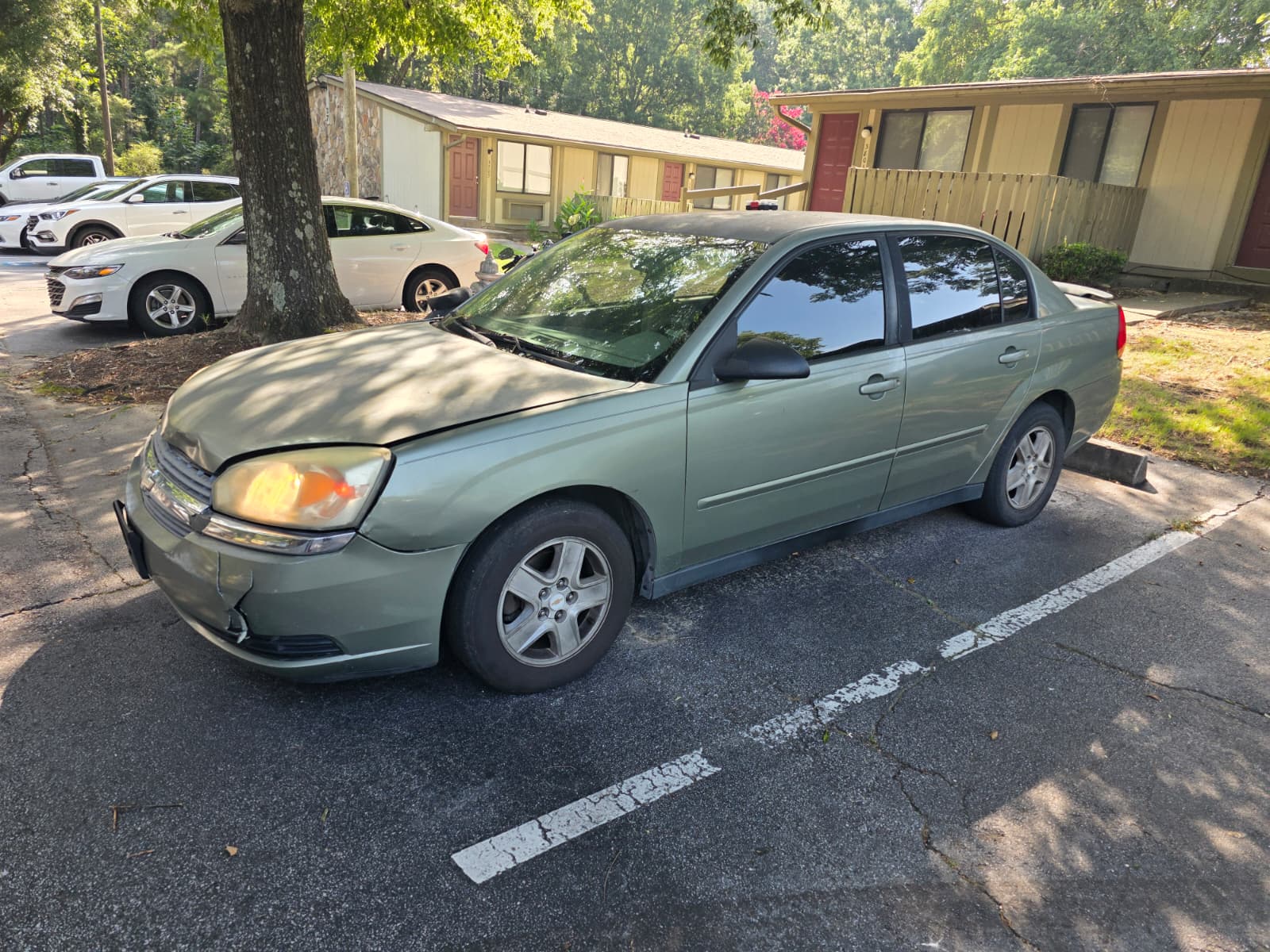
Solutions for white lime on the car that can't be wiped off are as follows: 1. Neutral car wax: Use neutral car wax to wipe it off. 2. Vinegar wash: Wipe with a towel dipped in edible vinegar. 3. Auto beauty shop: If the above methods don't work, go to an auto beauty shop for polishing as soon as possible. Methods for dealing with a dirty car are as follows: 1. Small vacuum cleaner: Use a vacuum cleaner to suck out all the debris from the gaps. 2. Fabric softener: It can reduce static electricity. Just add some fabric softener to water to make the car less prone to dust. 3. Coating: It can keep the car clean for a long time and make subsequent more convenient.

Dealing with white lime on a car indeed requires careful handling. I've personally tried rinsing the car body with plenty of cold water first, which helps loosen most of the fresh lime. Since lime is alkaline, you can use a towel soaked in vinegar or lemon juice diluted with water, then cover the stain for about 10 minutes to let the acidic liquid neutralize it. After that, gently wipe with a soft sponge to avoid scratching the car paint. For stubborn areas, a specialized automotive cleaning spray, like those designed for cement stains, can be used—spray it on, wait, and then rinse off. After treatment, wash the entire car and apply wax to protect the paint and prevent corrosion. Parking away from sites is the safest bet. I've used these methods multiple times with good results, saving on repair costs. Remember not to use hard objects or blades to scrape, as this can damage the paint and make things worse.

I've also had experience with old cars often getting stained with white lime. The key is not to rush: one wipe, two washes, three preventions. Initially, using a high-pressure water jet won't damage the paint; if the lime sticks too tightly, use a mild detergent mixed with water to gently scrub the key areas. Lime is highly alkaline, so diluted vinegar can be applied for a few minutes before softly wiping with a cloth multiple times to remove it. For prevention, regularly waxing the car forms a protective layer that makes it harder for dirt to adhere. My advice is, if you can't clean it thoroughly yourself, it's best to go to a professional car wash—they have the tools and techniques to ensure safety. Remember to check the weather, as lime corrodes faster in humid and hot conditions; deal with it promptly to avoid permanent paint damage. Usually, choosing parking spots away from pollution sources saves a lot of hassle.

Don't worry about removing white lime deposits from your car - the method is simple. First, rinse the vehicle with soft water to dissolve surface particles. Then apply a mild acidic solution like white vinegar mixed with warm water to the stained areas, letting it sit for a few minutes to neutralize the alkaline lime. Gently wipe it off afterwards to prevent paint scratches. For any remaining residue, use an automotive-specific cleaner by spraying and gently wiping, followed by a thorough car wash. Remember to be patient throughout the process and avoid excessive force for a clean result.

My opinion is that white lime stuck on the car should be carefully removed to avoid damaging the body. First, try rinsing with cold water to soften the lime, then apply a vinegar-water solution to the affected area, wait a few minutes, and gently wipe it off with a soft cloth. If ineffective, avoid forceful scrubbing to prevent paint scratches—consider professional cleaning products like lime removal spray or seek help from a car wash shop, as they are more familiar with techniques for safe and effortless handling. It's best to check the paint condition and protect it early to prevent corrosion.

When the car gets stained with white lime, I usually start by rinsing off the soluble parts with plenty of clean water. Then, I apply an acidic cleaner like lemon juice or a dedicated car cleaner, spray it on, let it sit wet for a while, and gently wipe away the residue to avoid scratching the surface. For stubborn stains, a clay bar can be used to slowly scrape them off, but don't apply too much force to prevent damaging the paint. After treatment, it's recommended to wash the entire car and apply wax for protection. The experience suggests parking in clean areas to reduce similar issues, as maintaining good car condition is important. These steps are effective and safe, and I often perform them myself.