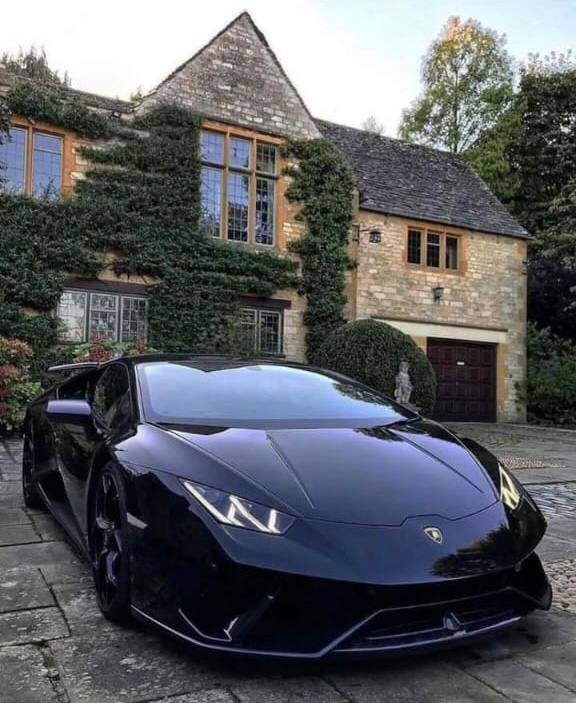
Following the principle of responsibility, the first thing to do after getting out of the car is to take photos for evidence. The process of taking photos is the same as handling a traffic accident—capture images from various angles. After taking the photos, contact the car owner first. For minor accidents like this, there's no immediate need to call the police or inform the company. Such minor incidents can usually be resolved with an apology or slight financial compensation. However, if the other car owner remains uncooperative, then contact the insurance company to handle the matter.


Last time when parking, I lightly bumped the rear of the car in front. At the time, I didn't feel any damage, but for peace of mind, I immediately stopped and got out to inspect. I carefully checked both cars for any scratches or dents, taking photos as evidence just in case. If the owner wasn't around, I would leave a note with an apology and my number. If the person was present, having a direct conversation to apologize would be the easiest solution. Remember, don't panic in such minor accidents; handling them promptly avoids trouble. Regularly practice reversing skills, maintain distance from the car in front, and use the vehicle's reversing camera to assist in avoiding mistakes. In short, staying calm is key, and be more cautious next time when parking.

Once I accidentally bumped into the car in front very lightly while parking. Panicked, I got out and inspected it for a long time, but fortunately only some dust was left. I immediately left an apology note tucked on the car, waiting for the owner to contact me. Later, he replied saying it was fine but advised me not to be careless next time. Since then, I’ve developed the habit of slowing down early when parking and using a mobile app to record the position to avoid repeating the mistake. For minor collisions with little damage, resolving it face-to-face is the easiest; otherwise, taking photos and exchanging information is a must. Remember to maintain a safe distance while driving daily—good habits can help reduce such awkward incidents.

If you lightly bump the car in front while parking, don’t panic. First, turn off the engine and get out to carefully check for any actual damage. If there’s no significant issue, apologizing to the owner is the simplest approach, or leave your contact information and wait for a response. Meanwhile, take photos to document the details and prevent disputes. Prevention is key: practice parallel parking more, use the reversing radar for assistance, and maintain sufficient space from the car ahead. After developing these habits, I rarely make such mistakes anymore.

In case of lightly touching the front car while parking, I first assess the damage. If minor, I proactively approach the owner to apologize, exchange and insurance information, and take photos. Even if there's no visible damage, it's wise to remind myself to be cautious to avoid potential claims later. Remember, calling the police isn't necessary unless the damage is significant. Learning from this, I'll practice parking skills more and install a reversing camera for better safety. Maintaining adequate distance as a buffer is the key preventive measure.

Many people like me accidentally bump into the car in front very lightly while parking, feeling a sinking heart but don't panic. Get out of the car and carefully check for any scratches; if it's minor damage, just apologize or leave a note. Sharing my experience: last time it was just a dust rub, and the owner easily forgave. The key is to practice reversing rhythm, using the reversing camera to assist in maintaining a stable mindset. Prevention is better than repair; developing the habit of keeping a distance in daily driving can greatly reduce such minor accidents.