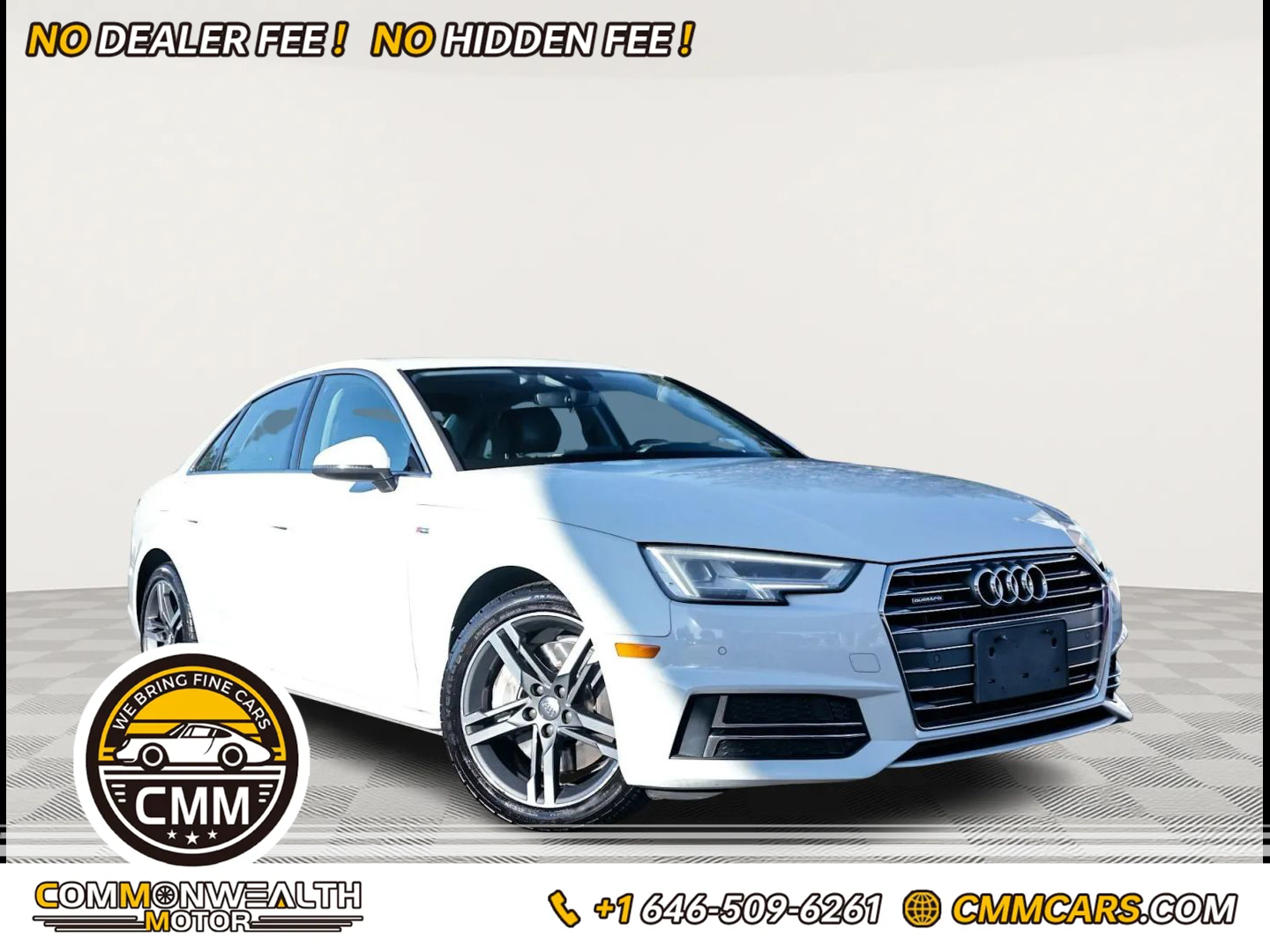
A6L's minimum turning radius is 6.3 meters. Minimum turning radius: The minimum turning radius refers to the radius of the trajectory circle rolled by the center of the outer steering wheel on the supporting plane when the steering wheel is turned to its limit position and the vehicle is turning at the lowest stable speed. To a great extent, it characterizes the vehicle's ability to pass through narrow curved areas or bypass insurmountable obstacles. The smaller the turning radius, the better the vehicle's maneuverability. Impact of turning radius on driving: To ensure that the wheels roll purely without sliding during steering, the size of the minimum turning radius is determined by the vehicle's wheelbase. A longer wheelbase results in a larger turning radius, but vehicles with a longer wheelbase generally have better driving smoothness.

The turning radius of the A6L is approximately between 11 to 12 meters, with slight variations depending on the model configuration. For example, the standard version is about 11.8 meters. As a car enthusiast, I enjoy testing the handling performance of various vehicles. The A6L, being a mid-to-large-sized sedan, has a larger turning radius compared to compact cars, which means more steering input is required when making U-turns or parking on narrow roads. In actual driving, factors like larger wheel sizes or adjusted suspension settings may affect turning agility. It's advisable to practice low-speed turning techniques, such as anticipating the path and steering slowly, to reduce the risk of scraping. Overall, while it may not be the most agile, once you get familiar with its dimensions, it becomes easier to handle. It's helpful to practice a few more times in open spaces to adapt.

The turning radius of the A6L is approximately 11.8 meters, which deeply resonates with me as a city commuter. Driving daily in crowded urban areas, the A6L's longer body requires more time to complete turns, especially when parking in narrow alleys or making U-turns. I often advise friends to check tire pressure and steering system functionality before driving, as these factors significantly impact turning smoothness. When encountering sharp turns, maintaining controlled speed is crucial—avoid sudden steering inputs and proceed step-by-step for enhanced safety. In the long run, when choosing a vehicle, it's wise to consider your parking environment. If frequently navigating tight spaces, compact cars may be more convenient, though the A6L's comfort level presents a worthwhile trade-off.

The turning radius of the A6L is generally between 11 to 12 meters. Based on my years of repair experience with numerous cases, the standard value is approximately 11.8 meters. This refers to the radius of the circle drawn when turning the steering wheel to full lock while stationary. Factors affecting this include tire size and power steering settings. If customers complain about tight turning, I would advise them to regularly check for tire wear or steering column issues, such as aging components that may increase resistance. Don't just focus on the numbers; in actual driving, slow maneuvers can reduce accidents. It's recommended to perform a comprehensive maintenance check every six months.

As a new driver who just got my license, I noticed that the turning radius of my A6L is quite large, about 12 meters, which feels more challenging compared to the practice cars I drove at the driving school. Making turns in the city, especially in parking lots, often requires going around in circles, and at first, I was worried about scraping the corners. I recommend that beginners first get used to the steering wheel travel, observe the road space in advance, and practice a few more times to master it. Remember to maintain a steady speed, avoid sudden braking, and take turns slowly for a more stable drive.

The turning radius of the A6L is typically 11-12 meters. As someone who prioritizes safety, I've driven many cars and realized this is crucial in emergency situations. For example, when suddenly swerving to avoid an obstacle, a larger radius means more space and time are needed, potentially increasing risks. I recommend developing the habit of anticipating road conditions during daily driving, keeping your vision far ahead, and ensuring the road is wide enough before maneuvering. Before purchasing a car, test drive different models to compare and consider your personal usage scenarios to minimize potential hazards.