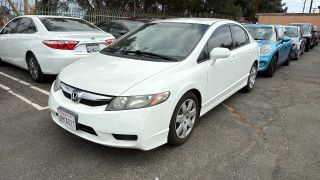
Civic winter tire pressure should be appropriately increased by about 0.2bar based on the standard tire pressure principle. Below is an introduction to Civic winter tire pressure and how standard tire pressure values vary among different vehicle models: Civic winter tire pressure: Civic winter tire pressure should be appropriately increased by about 0.2bar based on the standard tire pressure principle. On icy or snowy roads, it should be reduced to around 2.0. Cold tire pressure between 2.2~2.5 is normal, and the generally recommended cold tire pressure is 2.5, which results in lower fuel consumption. Standard tire pressure values vary among different vehicle models: Different vehicle models have different requirements for tire pressure, with varying maximum and minimum limits. Even the same tire installed on different vehicle models will have different pressure requirements. Therefore, the optimal tire pressure is not a fixed value but depends on the specific vehicle model. The standard tire pressure value for each vehicle model is indicated in the user manual, on the inside of the fuel filler cap, or on the B-pillar near the front passenger seat.

As a long-time Civic owner, I always pay extra attention to tire pressure during winter. The manual recommends a standard value of 32 PSI, but cold weather causes air contraction, often dropping pressure below 30 PSI. Therefore, I usually inflate to around 34 PSI for compensation. I remember last early winter when checking, the left front tire was only at 29 PSI. After prompt adjustment, the driving felt much more stable, avoiding skid risks on slippery roads. I recommend monthly self-checks with a simple pressure gauge, measuring when tires are cold for most accuracy. Underinflation accelerates tire wear and increases fuel consumption, while overinflation compromises comfort. Maintaining slightly higher pressure is key for safety.

I'm a new driver who just got my license. Last winter, I encountered an issue with insufficient tire pressure while driving my Civic. I checked the label on the door frame, which recommended 32 PSI, but during cold weather, I inflated them to 33 or 34 PSI. A friend taught me that low temperatures in winter can cause tire pressure to drop, so it's better to inflate them slightly higher. Now, I use a mobile app to set regular reminders for checking tire pressure, which is simple and convenient. This habit has helped me avoid unnecessary troubles, such as unstable steering or the risk of a blowout. It gives me more peace of mind while driving.

I always prioritize driving safety, and adjusting tire pressure is crucial when driving a Civic in winter. In cold temperatures, tire pressure naturally decreases, and the standard 32 PSI may not be sufficient. I usually increase it to 34 PSI to ensure better grip. Incorrect tire pressure not only raises the risk of accidents on slippery roads but also accelerates tire wear. At the beginning of each month, I meticulously measure the pressure using a portable gauge or equipment at gas stations. Developing this habit is truly worthwhile.

I use my car frequently, and the Civic's tire pressure is very practical in winter. The standard is 32 PSI, but in sub-zero weather, I inflate to 33 or 34 PSI to compensate for contraction. It's convenient to check the pressure when washing the car or refueling. Low pressure causes sluggish steering and higher fuel consumption, while high pressure leads to a bumpy and uncomfortable ride. Maintaining moderate pressure improves driving efficiency. It's a small measure that saves money and hassle.

I believe tire pressure is greatly affected by temperature. In winter, cold air contracts in volume, naturally causing pressure to drop. The Civic typically recommends 32 PSI, so I suggest adjusting it to 33-35 PSI in winter to maintain stability. Proper tire pressure improves fuel efficiency and safe traction, preventing potential hazards caused by cold weather. I make it a habit to check cold tire data in the early morning to ensure smooth driving.