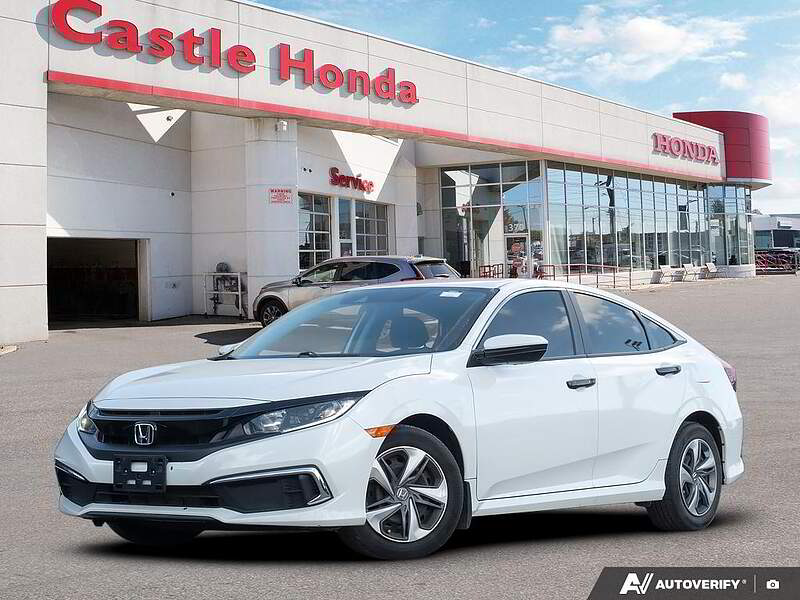
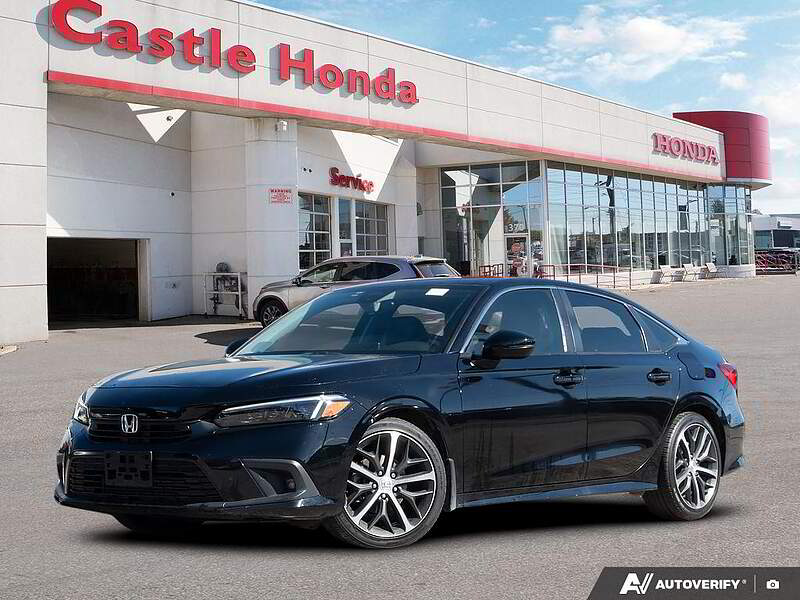
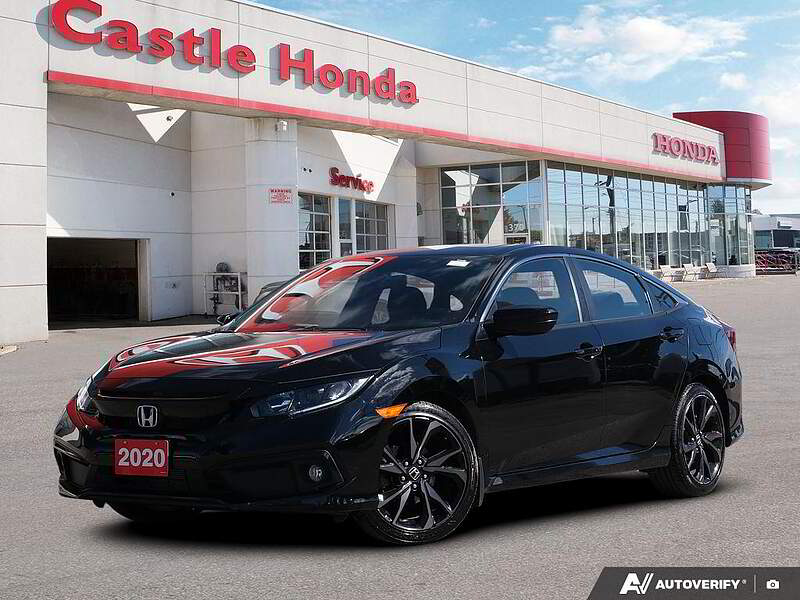
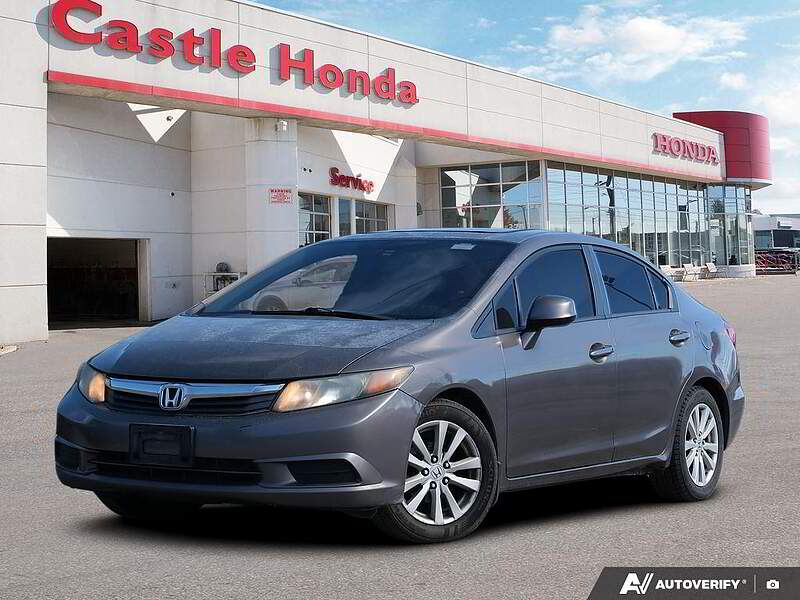
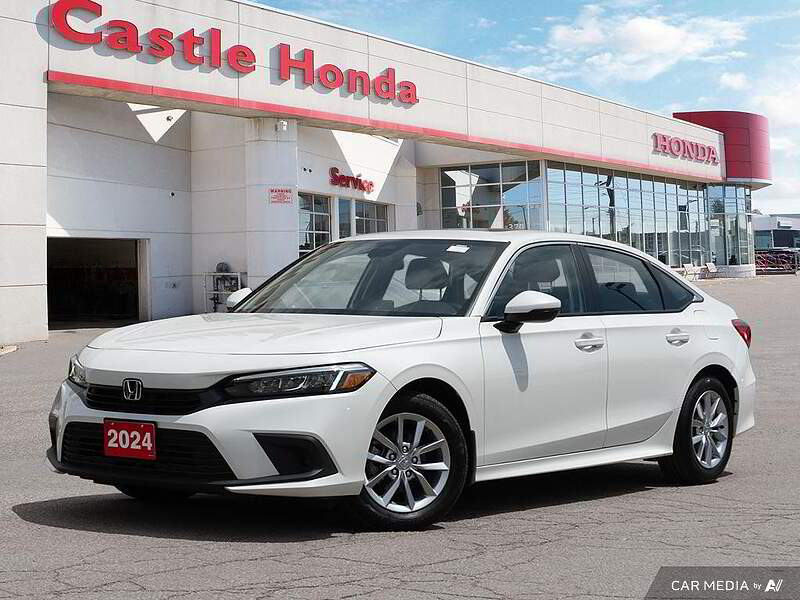
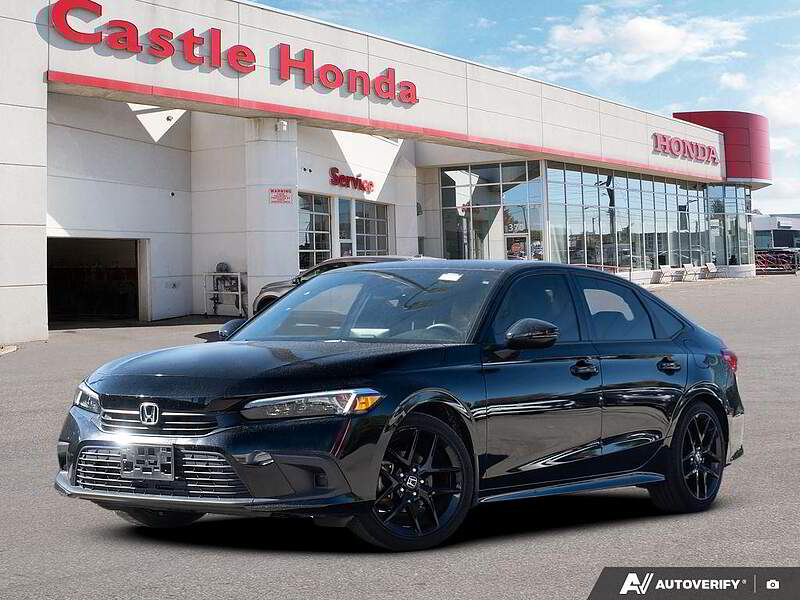
Civic offers two engine displacement options: 1.0T and 1.5T. Specifications and features: The new car comes equipped with a color multi-function LCD instrument panel, newly designed sport seats, a leather gear shift knob, and USB ports, combining technology with comfort. The four-way adjustable multi-function steering wheel integrates functions such as music switching and phone answering. Powertrain configuration: The new Civic is powered by two engines, the 220TURBO and 180TURBO, paired with either a CVT continuously variable transmission or a 6-speed manual transmission. Body dimensions: The Honda Civic measures 4658mm in length, 1800mm in width, 1416mm in height, with a wheelbase of 2700mm.

I've been driving a Civic for over a decade. The standard models now mostly come with a 1.5L turbocharged engine, which applies to both the 10th and 11th generation Civics sold in China. Earlier models like the 8th generation Civic featured a 1.8L naturally aspirated engine, delivering smooth performance but slightly weaker power. The high-performance Type R version has a larger 2.0L turbocharged engine, packing enough horsepower for thrill-seeking drivers. The hybrid version also uses a 1.5L engine combined with an electric motor for fuel efficiency and environmental friendliness. Engine displacement directly affects fuel consumption and acceleration – the 1.5T averages 7-8L/100km in city driving and performs adequately on highways, while the 2.0L suits racing enthusiasts but comes with higher fuel costs. Ultimately, choosing a car depends on model year and personal needs – don't just focus on engine displacement while overlooking maintenance and usability factors.

Having driven a Civic for daily commuting for years, I focus on reliability and fuel efficiency. Mainstream Civics come with a 1.5L turbocharged engine, like the popular domestic models with around 1498cc displacement, offering ample power while being fuel-efficient. The older 1.8L models are gradually being phased out, while the special Type R version has a 2.0L engine with strong performance but is relatively expensive. The hybrid Civic also features a 1.5L engine with high system efficiency. Small-displacement turbocharged cars are suitable for urban driving conditions, providing quick power response and simple . I recommend novice owners opt for the 1.5T version for its high cost-performance ratio, unlike larger-displacement cars that guzzle fuel. It's also important to pair it with good driving habits, like gentle throttle application for better economy.

As a car enthusiast, the base Civic with its 1.5L Turbo engine delivers satisfying performance with linear acceleration from standstill. The Type R racing version packs a 2.0L engine producing 300+ horsepower for thrilling acceleration that leaves neighbors in the dust at traffic lights. The hybrid uses a 1.5L engine with electric assist for quiet starts. Generally, larger displacement means more aggressive performance, while smaller engines on turbocharging to compensate. From personal experience, upgrading the exhaust enhances the sound experience, but don't overlook the factory-engineered balance.

From a technical perspective, the Civic offers diverse engine displacements: the L15B 1.5L Turbo is common, featuring high compression ratio and efficiency; the older R18 1.8L naturally aspirated; the Type R's K20C 2.0L Turbo delivers explosive power; while the hybrid version utilizes a 1.5L Atkinson cycle for fuel economy. Displacement refers to the cylinder's working volume, measured in liters or cc, directly impacting torque and emissions. For instance, the 1.5T engine paired with a CVT transmission optimizes low-RPM output, aligning with eco-friendly trends. Downsized engines with turbocharging represent a modern popular solution.

For family cars, my top choice is the Civic Hybrid, with a 1.5L engine combined with an electric system for excellent fuel efficiency, spacious and reliable. The gasoline version with a 1.5T engine is mainstream, providing sufficient power for family trips. The Type R with a 2.0L engine is too fuel-consuming and impractical. Smaller displacement is easier to handle, fuel-efficient in city traffic, and is affordable. The rear seats are spacious, ensuring children's comfort, and don't forget to check tire matching for safety and smoothness. Overall, the 1.5L displacement offers a balanced cost-performance ratio and practicality.