···
Log in / Register

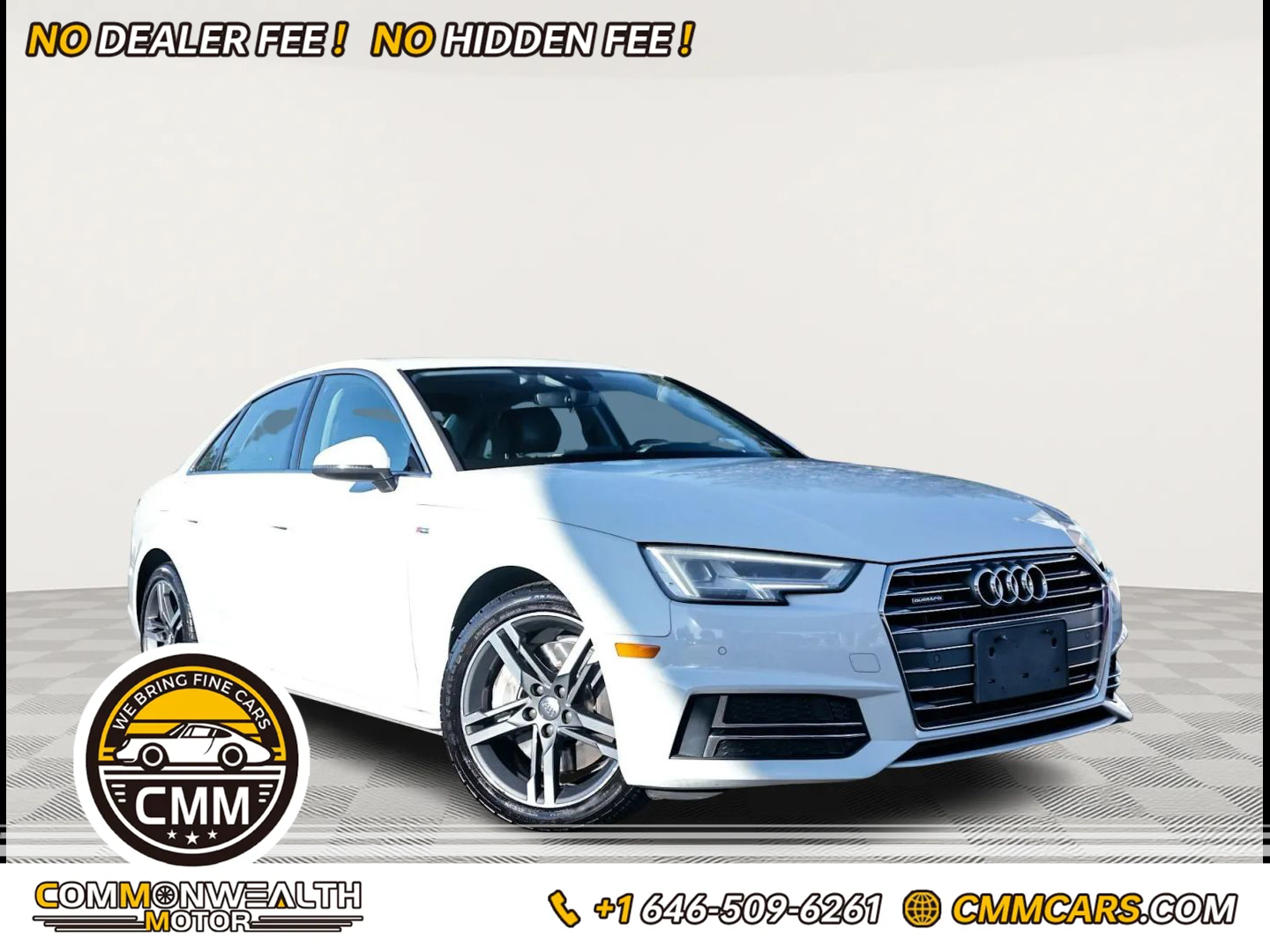
What is the difference between Audi A4 and A6?

1Answers
McLayla
09/01/2025, 02:20:39 AM

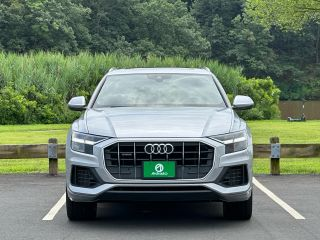
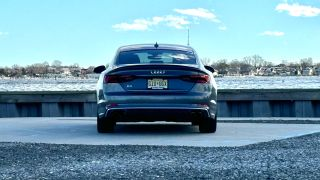
A4 is a mid-size sedan, while A6 is a mid-to-large-size sedan, with differences in exterior dimensions and positioning. The A4 mainly targets younger consumers, positioned as a sports sedan, whereas the A6 primarily caters to those with business needs or middle-aged individuals, serving as a mid-to-large-size luxury sedan. The prices of the two cars also differ, with the A6 being more expensive. Here is an introduction to the Audi A4 and A6: 1. From the perspective of these two cars' positioning, there are certain differences between the two models. The Audi A4 is a mid-size car with dimensions of 4818mm/1843mm/1432mm and a wheelbase of 2908mm, featuring a compact exterior. In comparison, the Audi A6 is more upscale, with dimensions of 5036mm/1874mm/1466mm and a wheelbase of 3012mm. This difference in size makes the vehicles' appearances noticeably distinct and also affects the riding experience. 2. The power configurations of these two cars are quite different. The Audi A4 mainly features 1.4T and 2.0T engines, with maximum power outputs of 150 hp, 190 hp, and 252 hp, and acceleration times from 0-100 km/h ranging from 5.9S to 9.4S. On the other hand, the Audi A6 offers 1.8T, 2.5L, 2.0T, and 3.0T engines, with maximum power outputs ranging between 190 hp and 333 hp, and acceleration times from 0-100 km/h between 5.6S and 8.5S.

Was this review help?
113
Share
More Q&A

How fast is a domestic twin-cylinder 400cc motorcycle?

Domestic twin-cylinder 400cc motorcycles have a top speed of 190km per hour. Introduction to 400cc motorcycles: A 400cc motorcycle refers to a motorcycle with an engine displacement of 400 milliliters. The 400cc indicates the displacement, which is the cylinder volume of the engine, measured in milliliters. Displacement is a key parameter of an engine; the larger the displacement, the stronger the power, but the fuel consumption is also relatively higher. Calculation method for motorcycle speed: Based on the formula 'speed × time = distance,' the distance traveled by the motorcycle can be calculated. For example, if the motorcycle's speed is 30 kilometers per hour and the travel time is 2 hours, then the distance traveled is 30 × 2 = 60 (kilometers).
117
Share

Why Does Liquid Drip When Driving?

There are several reasons why liquid may drip from a car while driving: Air Conditioning Issues: Water dripping from the front of the car is typically caused by the vehicle's air conditioning system. Water Vapor: Dripping from the rear exhaust pipe occurs due to carbon dioxide and water vapor produced during complete combustion of gasoline. Car Washing: Water dripping from the car body is normal after rain or car washing. Preventive measures for car dripping include: Always Close the Sunroof When Exiting: Check the sunroof installation position, inspect for aging sunroof seals, and examine if the water collection tray is leaking. Inspect Sunroof Drainage Hose: Check if the car's drainage outlets are clogged.
112
Share

Where is the serial number stamped on a Weichai engine?

The serial number of a Weichai engine is stamped on the cylinder block near the oil filter. Below is relevant information about the vehicle identification number (VIN): Introduction to VIN: The VIN, also known as the vehicle identification code, is a unique set of characters assigned by the manufacturer to identify a specific vehicle. The VIN consists of a 17-digit alphanumeric code, also referred to as the 17-digit identification code, chassis number, or 17-digit number. Functions of VIN: To confirm a vehicle's identity, especially in certain special circumstances, the VIN can accurately identify your vehicle, saving time. Due to the uniqueness of the VIN, it can better confirm the vehicle's identity. For traffic violation inquiries, the VIN must be entered to check for violations. The VIN serves as the vehicle's ID card and should be carefully safeguarded.
103
Share

How Many Kilometers Should a New Car Go for Its First Maintenance?

After a new car is driven off the lot, the 4S shop generally requires the owner to perform the first maintenance within 3,000 kilometers. Here are some details about the first maintenance of a car: 1. The period from when a new car is driven until the first maintenance is called the break-in period. 2. During the break-in period, because the gears of the engine, transmission, etc. have not yet fully broken in smoothly, the driver generally should not drive too fast, preferably not exceeding 80 km/h. 3. During the break-in period, in addition to not exceeding 80 km/h, the engine speed should also not exceed 3,000 rpm, and acceleration should not be too harsh, otherwise it will not be good for the engine's break-in.
101
Share

Can motorcycles from other provinces undergo annual inspection locally?

Motorcycles from other provinces can undergo annual inspection locally, but a written application must be submitted to the vehicle management office in the registration area. Required documents for out-of-province motorcycle annual inspection: Documents such as the vehicle license, compulsory traffic accident liability insurance certificate, and vehicle and vessel tax payment or tax exemption proof must be provided. According to the fifth item of the "10 Convenience Measures for Public Security and Traffic Management 'Simplification, Decentralization, and Service' Reform," motorcycles are subject to nationwide inspection and a 6-year exemption policy. Annual inspection timeframe for motorcycles: The inspection can be conducted starting from the 1st day of the month three months prior to the expiration month of the inspection validity period. The inspection validity period lasts until the end of the current month, and it is not based on the specific registration date.
116
Share

How to Read the Car Fuel Gauge?

The car's fuel gauge is located on the dashboard, commonly found in analog (needle-type) or digital forms. It is marked with letters F and E at both ends. When the needle points to F, it indicates the tank is full; pointing to E means the fuel is empty, and pointing to the middle suggests half a tank of fuel remains. When the fuel warning light turns on, it means the fuel gauge is approaching the E mark. Here is some related information: Generally, when the car's fuel gauge needle reaches the red line, the tank has about 10% fuel left, allowing an average driving range of 20-60 kilometers, depending on the vehicle model. If you continue driving without refueling after reaching the red line, it may damage the fuel pump.
101
Share
Cookie
Cookie Settings
© 2025 Servanan International Pte. Ltd.