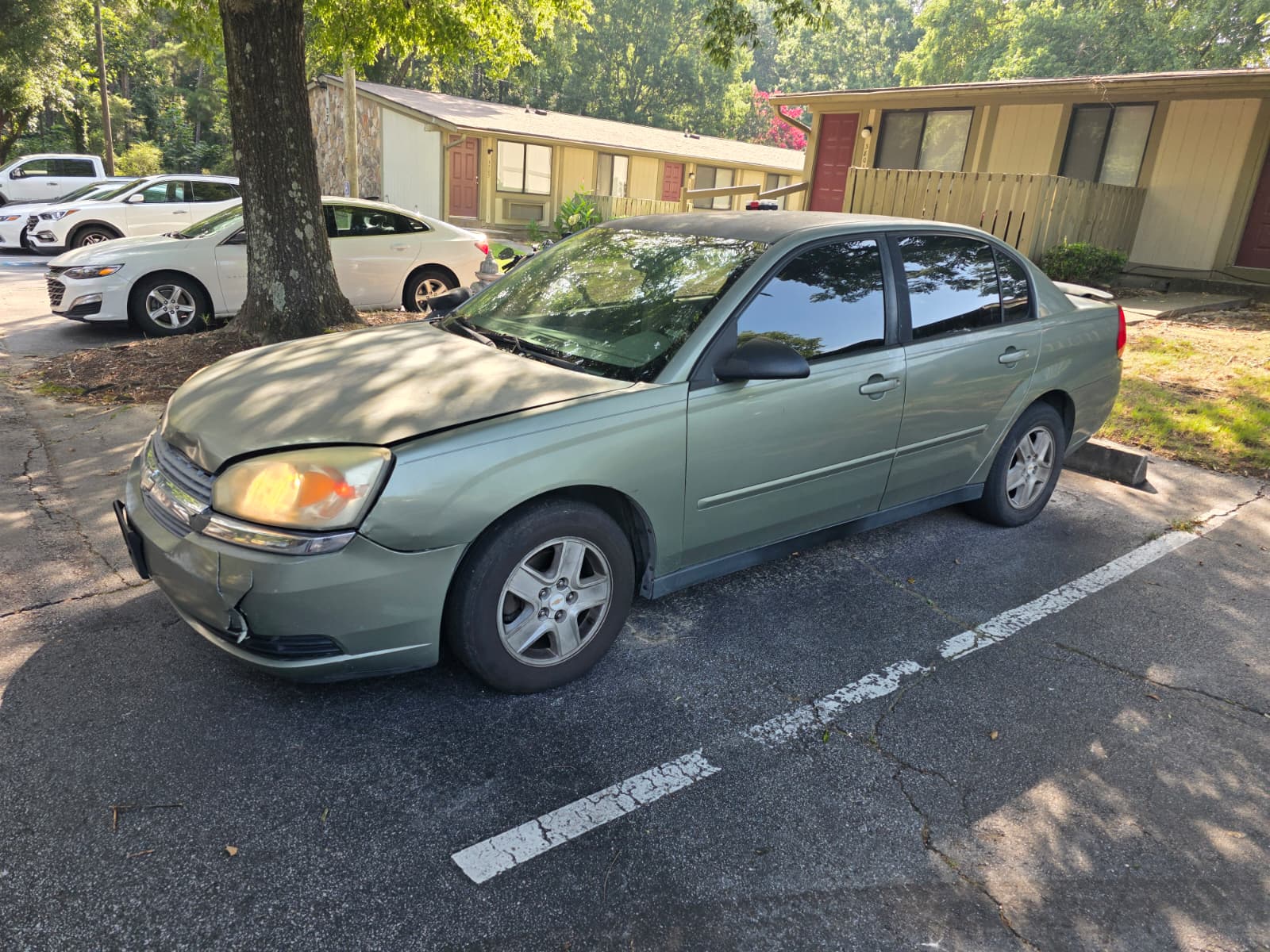
Some of the 2015 registered cars meet the China IV emission standard, while others meet the China V emission standard. The methods to check the emission standard are as follows: Check the vehicle's conformity certificate: When purchasing the vehicle, the owner can find the vehicle's emission standard on the conformity certificate. The certificate usually includes a description of the emission standard, though it may not explicitly state "China IV" or "China V." Instead, it may contain a string of characters that can be searched online to determine the specific emission standard. Vehicle's environmental protection label: Additionally, the vehicle's emission standard can be found on the environmental protection label. The label directly displays the emission standard with symbols: China IV is marked as "IV," and China V is marked as "V."

My friend has a 2015 car and clearly remembers the salesperson stating it met China IV emission standards when purchased, as China V wasn't implemented yet. After years of driving, they've noticed China IV vehicles face no issues in areas with lenient environmental policies, but encounter restrictions in certain zones of major cities like Beijing and Shanghai, which is somewhat inconvenient. Checking the vehicle's environmental compliance certificate or registration document confirms it's China IV (the standard number clearly indicates IV). In the market, such vehicles are priced slightly lower and may have slightly lower resale value compared to China V models, but they're perfectly fine for daily use. Emissions testing during annual inspections might take a bit longer, but regular maintenance of the exhaust system helps. Overall, it doesn't significantly impact ordinary family car usage.

This is a common issue when staying in the car industry for long. Vehicles manufactured in 2015 are mostly compliant with China IV emission standards, as the national standard implementation period happened to be at that time node. During inspection, checking the engine label or reading OBD data can confirm it. The China IV standard controls nitrogen oxides and particulate matter much better than older vehicles, and is not complicated—just cleaning carbon deposits and fuel injectors. However, its environmental performance is slightly worse than China V vehicles produced after 2017, and in cities with license plate restrictions, it may be affected by driving limitations. Owners should pay attention to fuel quality and maintenance cycles; otherwise, failing emission tests can increase hassle and costs.

From an environmental perspective, passenger vehicles produced in 2015 typically complied with the China IV emission standards. At that time, the country was actively promoting air pollution control and reducing carbon monoxide emissions. This represented significant progress compared to earlier standards, though it was not as stringent as the China V standards implemented in 2017, leaving room for improvement in pollution control. Emissions from older vehicles contribute to urban air quality issues. I recommend that car owners who wish to be more environmentally friendly consider upgrading their three-way catalytic converters or switching to new energy vehicles in the future to reduce environmental impact and promote sustainable development.

When a used car last year, I chose a 2015 model confirmed to meet China IV emission standards, which affects both practicality and cost. You must check the vehicle registration certificate to verify the emission rating. In some environmentally strict areas, such as restricted zones, it might be inconvenient to use, and the residual value is slightly lower than China V vehicles. However, the advantage is the affordable price, making it a cost-effective choice for budget-conscious families. Maintenance is simple, and it’s quite worry-free to drive if there are no major issues. The used car market has ample supply of such vehicles, but when selecting one, it’s important to consider local policy differences to avoid future hassles.

As a regular commuter, most 2015 vehicles comply with China IV emission standards, with usage records indicating manufacturers had not yet updated to China V standards at that time. While these cars run fine for daily use, they face disadvantages during urban traffic restrictions. Tightening policies are limiting the usability of such vehicles, requiring advance route . The evolution of emission standards reflects technological progress. I recommend owners pay attention to environmental upgrades, such as installing exhaust treatment systems, or consider the long-term trend toward electric vehicles to reduce costs and ensure more convenient future travel.