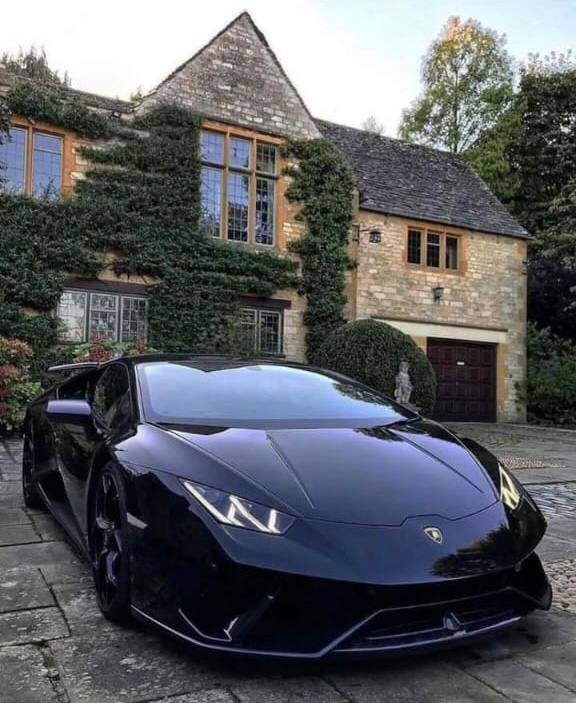
Introduction to the differences between car glazing and waxing: 1. Different in nature. 1. Glazing: Car glazing is a process that forms a protective film on the car's paint surface, similar to the outer coating of "Tang Tri-color" pottery, after multiple treatment steps. 2. Waxing: The film formed by waxing serves to protect the car's exterior paint. 2. Different methods. 1. Glazing: Uses a soft wool or sponge with a high-speed vibration and friction machine to forcefully penetrate the glaze molecules into the car's surface and paint gaps, utilizing the glaze's unique permeability and adhesiveness. 2. Waxing: Wax application can be done manually or mechanically. Regardless of the method, it's essential to ensure the paint surface is evenly coated, followed by wiping and polishing. 3. Different effects. 1. Glazing: After glazing, the car can achieve enhanced glossiness and hardness. It also features high-temperature resistance, sealing, oxidation resistance, gloss enhancement, wash resistance, and corrosion resistance. Typically, waxing isn't needed for up to six months after glazing. 2. Waxing: Provides waterproofing, acid rain protection, and gloss enhancement, reducing water droplet adhesion on the car body. It also effectively prevents paint aging and offers anti-static and dust-proof benefits.


I usually enjoy taking care of my beloved car by myself. Waxing is simply applying a layer of protective oil to the car body every month, and the process is quite straightforward—just apply it after washing the car and then polish it. On the other hand, glaze sealing requires a visit to a professional detailing shop, where they use a machine to press liquid glaze into the car paint. This protective layer can last for over half a year. However, before glaze sealing, the car paint needs to be polished, and doing this too often can thin the paint. Plus, it costs several times more than waxing. In the summer, I always wax my car myself—it not only blocks UV rays but also keeps the car shiny and saves a lot of money. If you're looking for long-term protection, then you might consider glaze sealing.

Last time I got a glaze treatment at the shop, the paint surface felt incredibly smooth, almost like it was coated with glass—rainwater just slides right off. The biggest difference compared to waxing is durability. Regular car wax lasts at most two months, while glaze can withstand sun and rain for over half a year. However, glaze requires professional equipment and takes three to four hours to apply, whereas waxing can be done by yourself in just half an hour. I heard glaze can fill in minor scratches, though the effect isn’t as noticeable on older cars. Now, I get a glaze treatment every six months and apply wax twice in between—this routine works best for me.

Car waxing involves applying a wipeable wax film on the paint surface, primarily composed of palm oil or synthetic polymers, which can be done manually. Sealant treatment, on the other hand, uses a polishing machine to press silica-containing glaze into the molecular gaps of the paint, forming a hardened protective layer. In terms of protection, sealant offers better scratch resistance and higher temperature tolerance, while waxing performs well in hydrophobicity but has lower hardness. The biggest difference lies in durability: regular car wax lasts 30-60 days, whereas sealant can protect for 6-9 months, though it costs about three times more.

This is a common question we get in the shop. Simply put, waxing is basic while glazing is an upgraded service. In terms of operation, waxing is like applying hand cream, whereas glazing is more like getting a gel manicure - it requires professional equipment for deep treatment. The time difference is significant: waxing takes about half an hour, while glazing requires at least two hours. Price-wise, waxing costs around a hundred yuan, while glazing starts at three to four hundred. We recommend glazing for new cars or light-colored vehicles as it provides better anti-oxidation effects; for older cars, regular waxing is sufficient to maintain shine. It's important to note that the paint surface must be thoroughly cleaned before glazing, otherwise it will affect the results.

In the field of automotive detailing, the main differences between the two lie in the techniques and materials used. Waxing is like putting a raincoat on the car's paint—simple to apply but requires frequent . Sealing, on the other hand, is more akin to infusing the paint with a protective liquid, where the glaze is fused with the paint surface using professional equipment. From a cost perspective, the annual expense of frequent waxing may exceed that of sealing, but sealing requires a more professional application environment. Additionally, after sealing, paint coating can still be layered on top, whereas the wax layer gradually wears off with each car wash. Considering the overall effectiveness of paint protection, I personally recommend that new cars opt directly for sealing as it is more cost-effective.