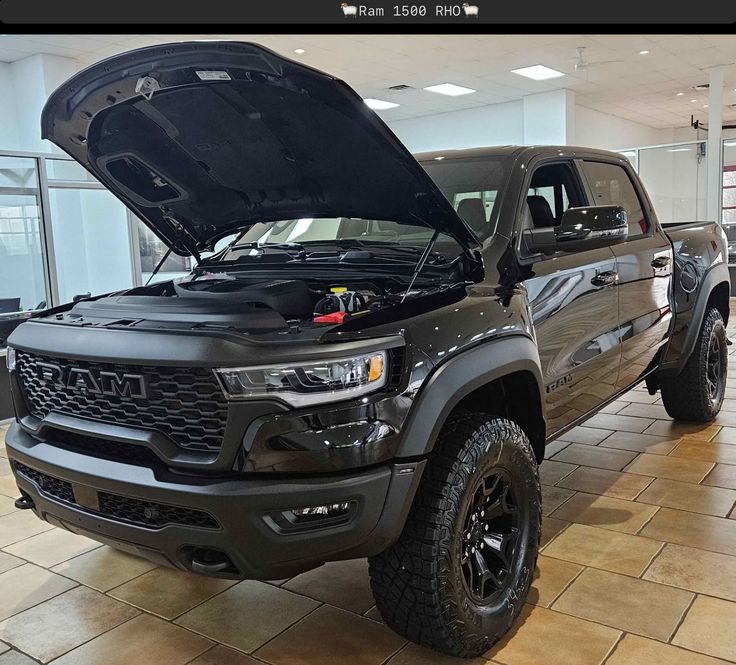
If your car is struck by lightning while you're inside, you are generally safe due to the Faraday cage effect, where the metal frame channels the immense electrical current around the vehicle's exterior and into the ground. However, the vehicle itself often sustains severe damage to its electronic systems, tires, and exterior.
The primary protection comes from your car's conductive metal body. When lightning, which can carry over 1 billion volts of electricity, strikes, it follows the path of least resistance along the outer shell. This scientific principle keeps the interior compartment relatively safe, provided the windows and doors are closed. You should avoid touching any metal surfaces, the steering column, or electronic controls during a storm, as voltage differentials could pose a risk.
Despite occupant safety, the vehicle typically suffers extensive damage. The sudden surge can fry sensitive electronics, including the engine control unit (ECU), infotainment system, and sensors. The intense heat—exceeding 50,000 degrees Fahrenheit—can melt antennae, crack windshields, and scorch paint. The rapid heating of the air inside the tires often causes them to blow out. In some cases, the strike can ignite flammable materials, leading to a fire.
Immediate actions are critical for continued safety. First, pull over safely and turn on your hazard lights. Keep your hands in your lap, avoiding contact with metal. Stay inside the vehicle for at least 30 minutes after the last thunderclap, as lightning can strike the same area repeatedly. Before driving, check for visible damage like fire, smoke, or fluid leaks. Have the car professionally inspected afterward, as electrical damage may not be immediately apparent.
It's crucial to note that this protection only applies to fully enclosed, metal-roofed vehicles. Convertibles, cars with fiberglass or carbon-fiber roofs, and open-cab vehicles like tractors do not provide a protective Faraday cage. Industry data from safety organizations like the National Oceanic and Atmospheric Administration (NOAA) confirms that injuries inside metal-topped cars are exceptionally rare, though not impossible if safety guidelines are ignored.
| Common Damage Points | Typical Result | Estimated Repair Cost Range (USD) |
|---|
| Electronic Control Units (ECU/ECM) | Complete failure, car may not start | $1,000 - $3,000+ |
| Infotainment & Gauge Cluster | Fried circuits, screens destroyed | $500 - $2,500 |
| Tires (All Four) | Blowouts from steam explosion | $400 - $1,200 |
| Exterior Paint & Body | Pitting, scorch marks, melted trim | $1,000 - $5,000+ |
| Battery & Alternator | Instant failure | $300 - $800 |