The numbers at the back of an represent the car's acceleration capability. The larger the number, the greater the acceleration and power of the vehicle. Taking the 2020 Audi A6 as an example, it belongs to the mid-to-large-sized car category with the following dimensions: length 5038mm, width 1886mm, height 1475mm, wheelbase 3024mm, fuel tank capacity 73 liters, and curb weight 1800kg. The 2020 Audi A6 features a five-link independent suspension at both the front and rear, and is equipped with a 2.0L turbocharged engine producing a maximum horsepower of 190PS, maximum power of 140kW, and maximum torque of 320Nm, paired with a 7-speed dual-clutch transmission.

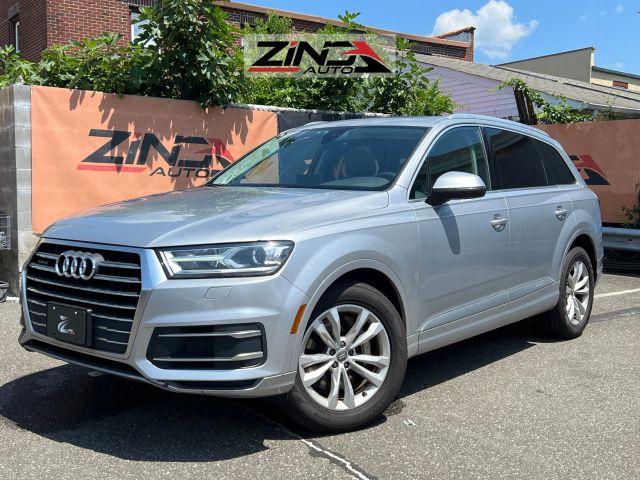
I've been driving an for a while now, and those numbers at the back of the car sound pretty cool, but they actually indicate the model's class. Audi's A series starts from A1 up to A8, where the larger the number, the bigger and more luxurious the car. For example, the A3 is considered a compact model, great for agile and convenient city driving. The A4 is mid-sized, perfect for everyday family use, while the A6 offers spacious comfort ideal for family road trips. The A8 is the top-tier luxury sedan, featuring rear-seat entertainment. Additionally, there's the Q series for SUVs, like the Q5, which is a mid-range number indicating a mid-sized SUV with strong off-road capability, and the Q7, with a higher number, is more luxurious and spacious. Some special editions come with S or RS, such as the S4, representing sportier performance—faster and more thrilling. The size of the number doesn't refer to engine displacement but rather the model's positioning. Overall, this system is simple and easy to remember, with increasing numbers signifying an upgrade to a higher vehicle class.

I usually commute in an A5, and the numbers at the back intuitively reflect practical differences. Smaller numbers like A1 or A2 indicate compact cars that are fuel-efficient and easy to park, making them suitable for beginners or short city trips. The A4, with a mid-range number, balances performance and space, which is more than enough for an average family. Larger numbers like A6 or A7 offer spacious interiors, making long journeys comfortable, and come with premium features such as heated seats. The SUV Q series follows a similar logic—smaller numbers like Q3 indicate better off-road capability and lower costs, while larger numbers like Q8 signify luxurious interiors and elevated status. This isn’t arbitrary; Audi’s naming system makes choosing a car much faster, as the number simply corresponds to the model. A common misconception is that the numbers represent engine horsepower, but they actually denote the car’s positioning.

I think Audi's digital naming conveys a trendy vibe, especially those high-performance models. I've driven the RS3 digital compact sedan - its fierce speed perfectly suits young tastes, being lightweight with nimble handling and stylish for daily drives. The larger A6 digital sedan exudes stability, ideal for professionals showcasing maturity. The S and RS prefixes breathe life into the numbers - the S4 carries sporty DNA with mid-range pricing that's affordable yet fashion-forward. The digit sizes aren't displacement codes but easy-to-remember model classifications, helping quickly select styles matching personal preferences while saving money and time (don't misinterpret them as pure tier indicators).

After driving for many years, the evolution of the numerical meanings is evident. Initially, the A4 represented a mid-range model. Now, the numbering system is unified: A1 is the smallest, entry-level, and economical; A8 is the top-tier, the most luxurious with rear independent air conditioning. Increasing numbers indicate larger, heavier vehicles with more safety features, such as automatic braking systems. To avoid misinterpretation as horsepower codes, Audi uses numbers to simplify the classification and prevent confusion.

From a practical perspective, Audi's numbering system indicates vehicle size and functionality. The A3, with a smaller number, is compact, easy to park, fuel-efficient for city driving. The A6, with a larger number, offers more space, long-distance comfort, and stronger luxury appeal. The Q5 represents a mid-range SUV with good off-road capability, adaptable to various road conditions. This numbering system helps quickly differentiate models without complex technical jargon, making it simple and intuitive to improve car selection efficiency. Note that the numbers don't represent engine specifications – a common misconception that needs clarification. This globally standardized numbering system ensures consistency across markets.