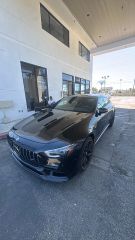
Mercedes dashboard displaying a power steering fault can be caused by heavy steering, steering noise, or steering system oil leakage. Heavy Steering: The power steering system contains a large amount of air. It is necessary to inspect the steering gear, steering pump control valve, oil cup filter, steering fluid, and clean the entire power steering system. Steering Noise: Excessive load operation of the steering system, excessive wear of the stator and rotor inside the steering pump, leading to irregular movement of the oil in the pump, resulting in noise. Steering System Oil Leakage: Loosening of connecting parts and joints in the power system and steering system causes leakage. It is necessary to replace the sealing ring at the interface between the oil pipe and the steering pump, and replenish the power steering fluid if the oil level is below the specified value.


Recently, my also displayed this fault warning, and it took me quite a while to figure it out. The main issue lies with the electronic power steering system—it could be due to moisture or poor contact in the control module's circuit board, especially during the rainy season. Additionally, severe wear on the power motor's carbon brushes can also trigger an alarm, something older cars should pay special attention to. If the fault warning appears right after going over a speed bump, it might be that the torque sensor was shaken loose. When the steering wheel becomes heavier, avoid forcing it as it can easily damage the gear set. It's best to immediately connect to a diagnostic tool to check the fault codes. If a regular repair shop can't handle it, you'll need to visit a dealership for decoding, as Mercedes' electronic systems are particularly sensitive. Sometimes, replacing the entire steering column assembly may be the only permanent solution.

Last time this light came on in my car was during a long-distance drive, when the steering wheel suddenly became as heavy as lifting bricks. I asked an experienced auto mechanic, and he said there are several common causes: the solenoid valve in the steering gear might be stuck, especially prone to freezing in northern winters; or the fuse in the power steering system might have blown, located in the fuse box near the driver's footwell; it could also be an interrupted signal from the wheel speed sensor, since electronic power steering requires real-time speed data. Another often overlooked point: low voltage can also trigger a protection mode. If you want to handle it yourself, first try turning off the engine, locking the car, waiting five minutes, and restarting. If that doesn't work, check if there's any foreign object stuck in the steering linkage near the tires. If it still doesn't resolve, you'll need professional equipment for diagnosis.

The power steering warning light coming on is definitely a serious issue that directly affects driving safety. Common causes are concentrated in electronic components: a faulty steering angle sensor can report incorrect data; the control computer's software may need an update; or the motor wiring might have been chewed through by rodents. On the mechanical side, excessive play in the steering rack could create slack. What makes this fault particularly troublesome is that it's sometimes intermittent—disappearing on the way to the repair shop while the underlying risk remains. The recommended practice is to immediately initialize the system using the reset button on the steering wheel when the light comes on. If the fault persists, special attention should be paid to inspecting the coupler at the base of the steering column, as older Mercedes models are prone to dust accumulation in this area leading to poor contact.

I've researched this Mercedes fault light, and it can be divided into hardware and software issues. On the hardware side, the most likely culprit is an aging steering torque sensor, which is common in vehicles over six years old; leaks in the steering gear assembly can cause insufficient pressure; and there's also the possibility of a broken clock spring in the steering column. On the software side, common issues include system conflicts, such as interference with the power steering system if the was replaced without a reset. Some owners have reported bizarre cases where the side mirror folding malfunctioned after rain, leading to steering issues. The most cost-effective solution is to disconnect the negative battery terminal for ten minutes to reset the ECU. If the fault code persists, there's an 80% chance you'll need to replace the steering angle sensor or redo the wheel alignment, as the system activates protection when data deviations become too large.

This warning light suddenly coming on is really scary. I've experienced it twice. The first time was due to a leaking power steering fluid reservoir causing low fluid level and triggering the alarm; the second time was unstable generator output voltage affecting power supply to the power steering motor. Actually, steering system failures are often chain reactions: for example, chassis impacts causing steering linkage deformation, or shock absorber leaks altering wheel angles. The most common pitfall during repairs is misdiagnosis - replacing the entire power steering unit when it's just oxidized connectors. My advice is don't panic immediately, drive slowly to a safe spot, first check for unusual noises in the steering compartment, then feel if the power steering motor is overheating - high temperature operation can burn out fuses.