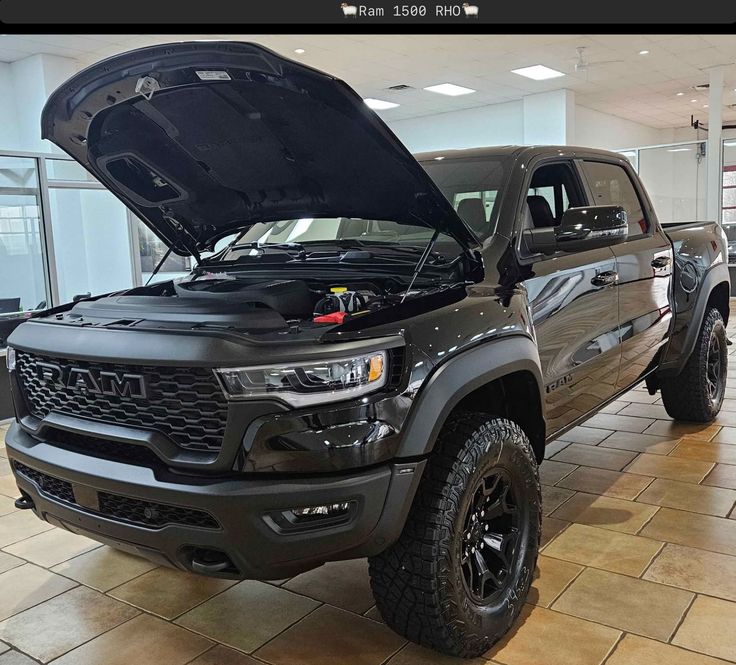
Manual transmission cars require coolant replacement every 2 years or 40,000 kilometers. How to Replace Coolant: Before completely replacing the coolant, conduct a thorough inspection to check for any signs of leakage or cracks in the pipes, with a particular focus on the five-way water pipe. The coolant is distributed to different parts of the car through the five-way pipe to perform its function. If there is any leakage of coolant in this section, replace the water pipe or resecure the connection as needed. Drain the old coolant and then flush the liquid channels with clean water. Add clean water to the coolant reservoir and continue to fill it until water flows continuously through the engine cooling system. Then, start the engine and let it idle for 3 to 5 minutes to circulate the water. The water initially flowing out of the reservoir will have a faint pink tint. Continue adding clean water until the water coming out is clear. Note: Don’t forget to remove the heater hose and drain the water from the heater core. About an hour after draining, add the new coolant through the radiator hose. Then, pour another container of coolant into the coolant reservoir until it is nearly full. Start the engine and let it run for about 10 minutes. As the cooling system expels some air, the coolant level will drop. Add more coolant until it reaches the "MAXT" mark on the reservoir.

The coolant replacement interval for manual transmission cars isn't particularly special. Having driven manuals for over a decade, I typically change it every 2-5 years, mainly following the vehicle manual's recommendation. For my older model, the manual specifies replacement every 3 years or 50,000 km, which I adhere to. Neglecting timely replacement can lead to deteriorated coolant corroding radiator pipes - potentially causing winter freeze-ups or summer engine overheating/cylinder damage, which are serious troubles. Living in an area with distinct seasons, I'm more diligent: before each winter I test the pH with test strips and replace immediately if the fluid turns cloudy. Older vehicles require extra attention to avoid mid-trip breakdowns. Note that manual transmission fluid and coolant are separate matters (transmission follows different schedules), but coolant affects the entire engine cooling system. Regular checks of fluid level and condition are crucial - don't wait until the temperature gauge alarms.

From a technical perspective, the replacement interval for antifreeze typically ranges between two to five years, primarily depending on the engine type and usage environment. In my experience, there's no significant difference between manual and automatic transmissions in this regard, as antifreeze mainly serves to protect the cooling system from corrosion and freezing. If the additives are depleted and the pH turns acidic, it can damage the water pump and pipes. It's best to refer to the manual for replacement; for regular cars, changing it every three years is a safe bet. The long-life antifreeze I use is effective for five years, but if you drive frequently, you should replace it sooner, especially in high-temperature or dusty areas where it ages faster. The inspection method is simple: check the reservoir level when the engine is cold to ensure it meets the standard, and observe if the color is clear and bright. If it turns black or bubbles appear, address it immediately. Regular can prevent issues and extend the vehicle's lifespan.

As a new car owner, I was initially confused about how often to change the coolant. After researching and consulting , it's recommended to change it every two years or follow the manual's instructions. Manual transmission cars don't have special factors to worry about, as the cooling system is the same. During checks, open the hood when the engine is cold and ensure the fluid level is between min-max, with a light green color indicating normal. Not changing it in time can cause the engine to overheat, leading to expensive and dangerous repairs. Now, I change it every 30,000 kilometers at the shop for peace of mind and convenience.

Neglecting antifreeze replacement can be extremely dangerous, even for manual transmission vehicles. The replacement interval typically ranges from two to five years, but should be adjusted according to driving habits. For instance, frequent long-distance driving or heavy loads accelerate antifreeze consumption, making early replacement crucial to prevent engine overheating and damage. I once overlooked replacement for three years, resulting in rusted pipes and coolant leakage that nearly caused a breakdown. Regular checks of fluid levels and impurities are recommended. If the fluid appears yellow or cloudy, immediate action should be taken. This ensures safe driving and prevents unexpected incidents.

From a cost-saving perspective, coolant should be changed every two to five years. Manual transmission cars with well-maintained cooling systems can save on repair costs. For example, a coolant change costs a few hundred dollars, but delaying it until the water pump corrodes could lead to repairs costing thousands. I use long-life coolant and change it every four years, optimizing based on the manual and environment. Checking antifreeze capability is simple with a freezing point tester, as good condition improves efficiency. Timely saves money and extends vehicle life.