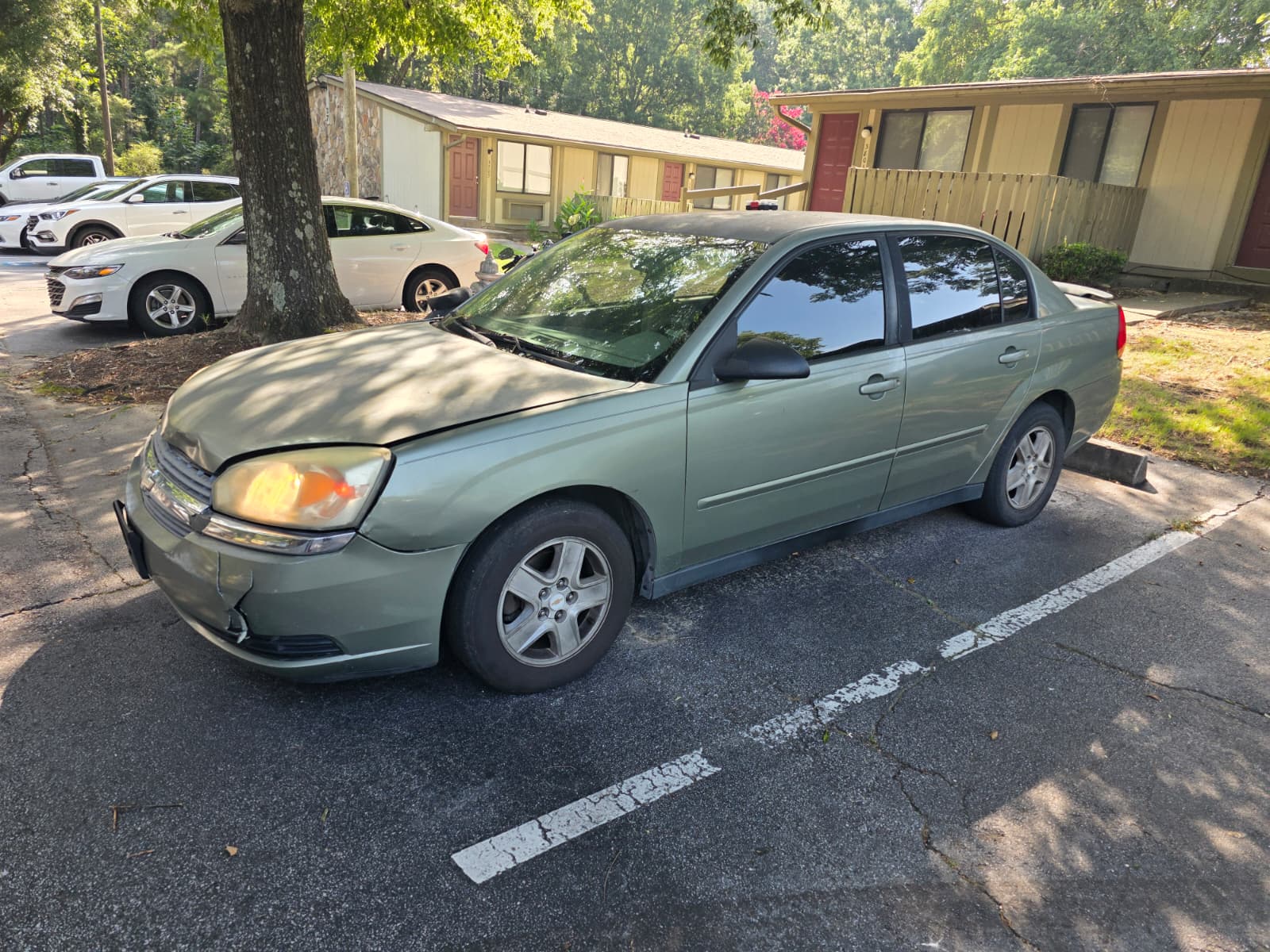
The loose chassis of the Touareg is due to worn and loose parts. Below are the specific details about the Touareg: 1. Vehicle Positioning: The Touareg is a large and mid-sized SUV under the Volkswagen brand. 2. Powertrain: The Touareg is equipped with three types of powertrains: a 2.0T high/low-power version and a 2.5T V6 engine. The Touareg 330TSI model features a 2.0T engine with a maximum power of 186 horsepower and a maximum torque of 320 Nm, paired with a seven-speed dual-clutch transmission. The powertrain of the 330TSI model can meet the basic needs of daily driving. 3. Features: It is equipped with a multimedia information display that uses the App-Connect mobile interconnect platform, supporting Apple CarPlay and Android Auto. It also includes features such as adaptive cruise control, lane keeping, blind spot monitoring, collision warning, heated steering wheel, front seat heating/ventilation, and a panoramic sunroof.

After driving my Touareg for many years, I feel that the loose chassis might be related to aging suspension components, such as leaking shock absorbers or loss of damping effect, which causes the car to bounce excessively and make creaking noises when driving on bumpy roads. Severe wear of the front and rear control arm bushings or excessive play in the ball joints can also lead to loose connections and unstable steering. Fatigue deformation of the suspension springs can worsen body roll and fail to provide adequate support during turns. Additionally, misaligned wheel geometry, such as incorrect toe-in or camber angles, can cause abnormal tire wear and heavy steering, further contributing to chassis noises. Frequent driving on rough roads or overloading accelerates wear and tear. It's advisable to visit a repair shop early to replace worn parts to avoid compromising handling safety—don’t wait until an accident happens to regret it. Regularly checking the tightness of chassis bolts can prevent many issues.

My Touareg feels wobbly and the chassis is loose, most likely due to aging and cracked rubber components like bushings. After losing elasticity, the suspension system can't work tightly, making a loud clunk when going over speed bumps. Leaking or degraded shock absorbers can cause uncontrolled wheel bouncing and noticeable body sway. The bolts on suspension arms or links may be loose, rusted, or corroded, creating large gaps at connection points. Unbalanced tires or uneven tire pressure can also worsen the loose chassis feeling, making the steering heavy. A friend of mine had a similar issue, and replacing the bushings immediately made it much tighter. Avoiding sudden braking and sharp turns in daily driving can reduce wear, but long-term neglect can lead to accelerated wear or even wheel detachment, so professional inspection and timely handling are essential.

Loose chassis issues commonly found in the Touareg often stem from suspension component failures. Reduced shock absorber efficiency weakens damping, causing body sway on bumpy roads. Aging and cracked bushings lead to excessive play in suspension arms, increasing body roll during cornering. Worn control arms develop excessive clearance, resulting in vague steering feel. Tire issues like low pressure or deformation can cause wobbling while driving. Neglecting may lead to secondary damage to bearings or axle shafts, increasing driving risks. During routine servicing, advise technicians to check suspension bolt tightness and component wear - early replacement prevents costly repairs. Safety first, never wait for accidents to happen.

When I noticed the loose chassis of the Touareg, I primarily inspected the key components in the suspension system. First, check if the shock absorbers are leaking oil or have insufficient damping, as poor cushioning can cause the body to bounce uncontrollably. Then examine the bushings, such as engine mounts or control arm bushings—if they show cracks or loss of elasticity, they need replacement. Loose suspension links or improperly tightened bolts can also create gaps. Additionally, uneven tire wear or inconsistent tire pressure can worsen the looseness. Long-term heavy loads or driving on irregular road surfaces accelerates wear. It's recommended to conduct a comprehensive suspension inspection every 20,000 km, and timely replacement of parts can restore tightness and improve driving comfort.

After prolonged use, my Teramont's chassis has become loose, with common suspension issues including degraded shock absorber performance, inability to absorb road impacts, and excessive body movement. Aging bushings lead to excessive play at component connection points, causing body sway during turns. Excessive wear in the ball joints of suspension arms or links creates gaps and abnormal noises. Incorrect wheel alignment, such as improper rear toe settings, exacerbates tire drag and looseness. Loose or corroded chassis bolts require tightening. These faults not only affect handling but may also lead to further suspension damage and increased repair costs. Regular avoidance of potholes and overloading can help slow the onset of these issues.