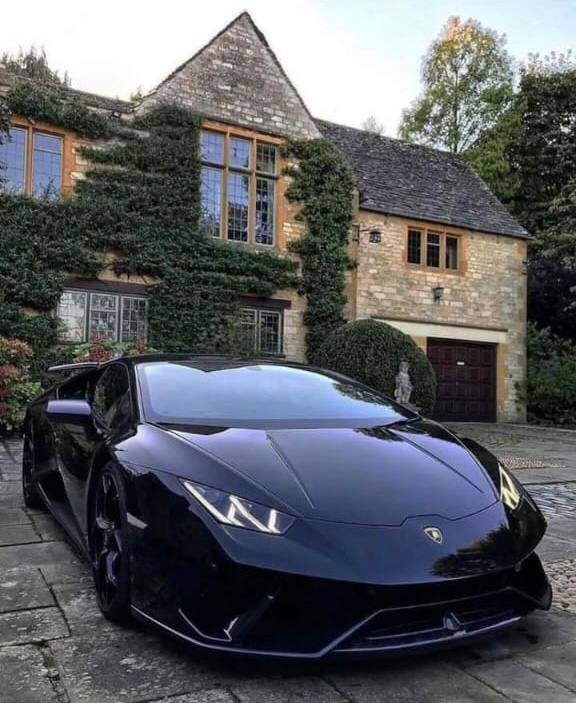
The term crab walk refers to a vehicle's ability to drive diagonally, with all four wheels pointing in the same direction. This is made possible by four-wheel steering (4WS) systems where the rear wheels can turn. Currently, this feature is available on a select group of high-performance electric trucks and supercars. The most prominent examples are the GMC Hummer EV (both pickup and SUV), the Rivian R1T (via a software update), and the Cybertruck from Tesla. Among supercars, the Porsche 911 GT3 (optional rear-axle steering) and the Bugatti Chiron can achieve a similar diagonal movement, though it's often not marketed as "crab walk."
This maneuver is particularly useful for off-roading, allowing drivers to navigate tight, rocky trails or reposition the vehicle without a multi-point turn. On a supercar, it enhances low-speed agility, making parking and U-turns easier.
The mechanics involve a complex integration of steering, suspension, and chassis control systems. In the Hummer EV, for example, the rear wheels can turn up to 10 degrees in the opposite direction of the front wheels at higher speeds for stability, or in the same direction at low speeds (under 15 mph) for the crab walk. The effect is that the entire vehicle slides laterally.
| Vehicle Model | Crab Walk Feature Name | Max Rear Wheel Steering Angle | Key Use Case |
|---|
| GMC Hummer EV | CrabWalk Mode | 10 degrees | Off-road maneuverability |
| Rivian R1T | Crab Mode (via OTA update) | 10 degrees | Tight trail navigation |
| Tesla Cybertruck | Rear-Wheel Steering | 10 degrees (estimated) | Low-speed agility |
| Porsche 911 GT3 | Rear-Axle Steering | 2.8 degrees (opposite) | High-speed stability / low-speed turning |
| Bugatti Chiron | All-Wheel Steering | N/A | Enhanced handling |
It's important to understand that this is a niche, advanced feature primarily found on new, expensive vehicles. While impressive, it's one part of a broader set of off-road or performance capabilities. For most daily driving situations, standard steering is perfectly adequate.