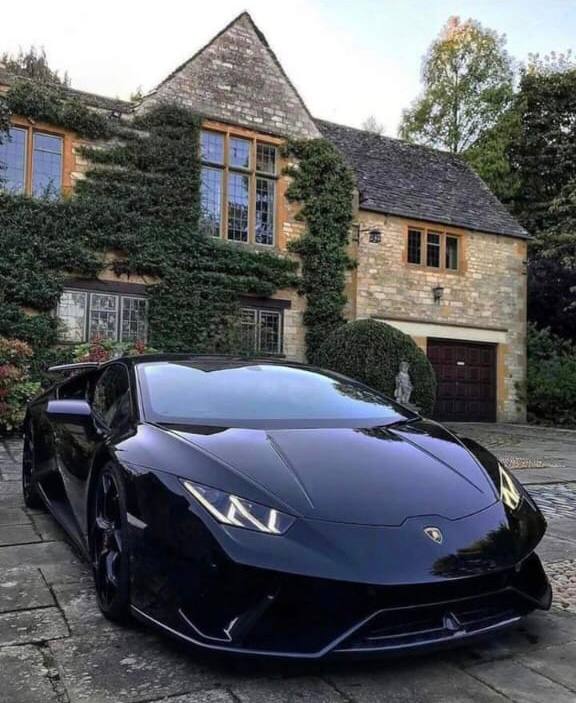
The most prominent car featuring a 3.5L V8 twin-turbo (V8TT) engine is the high-performance variant of the F154 engine family, specifically a 3.9L V8TT. While the displacement is slightly larger than 3.5L, it is the direct and well-known answer to this query. If a strict 3.5L displacement is required, the Ford GT uses a 3.5L V6 twin-turbo EcoBoost engine, not a V8. The Ferrari's V8TT is an engineering marvel, winning the International Engine of the Year award multiple years in a row for its exceptional power output and responsive character.
This engine is found in several modern Ferrari models, delivering breathtaking performance. The twin-turbocharging system effectively eliminates turbo lag, providing immediate throttle response and a linear power band that builds ferociously to its redline.
| Ferrari Model | Engine Code | Horsepower (HP) | 0-60 mph (seconds) | Top Speed (mph) |
|---|---|---|---|---|
| 488 GTB | F154CB | 661 | 3.0 | 205 |
| F8 Tributo | F154CG | 710 | 2.9 | 211 |
| Portofino M | F154BH | 612 | 3.45 | 199 |
| Roma | F154BH | 612 | 3.4 | 199 |
| SF90 Stradale* | F154GA (V8) + 3 Motors | 769 (V8 only) | 2.5 | 211 |
*The SF90 Stradale is a plug-in hybrid; the V8TT engine works in concert with three electric motors.
Beyond the raw numbers, the key to this engine's success is its tuning. Ferrari engineers focused on creating an engine that feels like a naturally aspirated unit, with a sharp, high-revving character and an iconic exhaust note, despite the forced induction. For a driving purist, this powertrain represents the pinnacle of current turbocharged performance.









You're probably thinking of the 488 GTB or its replacements, the F8 Tributo. That's the famous 3.9-liter twin-turbo V8. It's an absolute beast of an engine, making over 650 horsepower in the 488. The sound is incredible, and the acceleration is just brutal. It's the heart of most of their current lineup, from the Roma coupe to the Portofino convertible. That's the engine that comes to mind for a twin-turbo V8 in that size range.

While a true 3.5L V8 twin-turbo is rare in production cars, the closest and most significant is Ferrari's 3.9L V8TT. The distinction matters because this specific engine allowed Ferrari to achieve massive power gains while meeting emissions standards. It's a textbook example of forced induction done right, prioritizing throttle response and a wide power band over just peak horsepower numbers. This engineering philosophy is why it's so highly regarded.

From a pure spec sheet perspective, the F154 engine is the answer. But the real story is how it drives. The turbos are there for efficiency and power, but the engine feels eager and free-revving, not like some laggy turbo engines of the past. It pulls hard from low RPMs and just keeps going, accompanied by a scream that is uniquely Ferrari. It transformed the brand's mid-engine cars, making them faster and more accessible daily, without losing their soul.

If we're talking about a V8 twin-turbo around 3.5 liters, Ferrari's 3.9-liter is the benchmark. It's not just the power; it's the integration. The turbos are mounted inside the 'hot V' configuration, reducing lag and improving packaging. This engine powers everything from the 'entry-level' Roma to the track-focused F8 Tributo. It proved that turbocharging a supercar doesn't mean sacrificing character, a lesson the entire industry took note of.