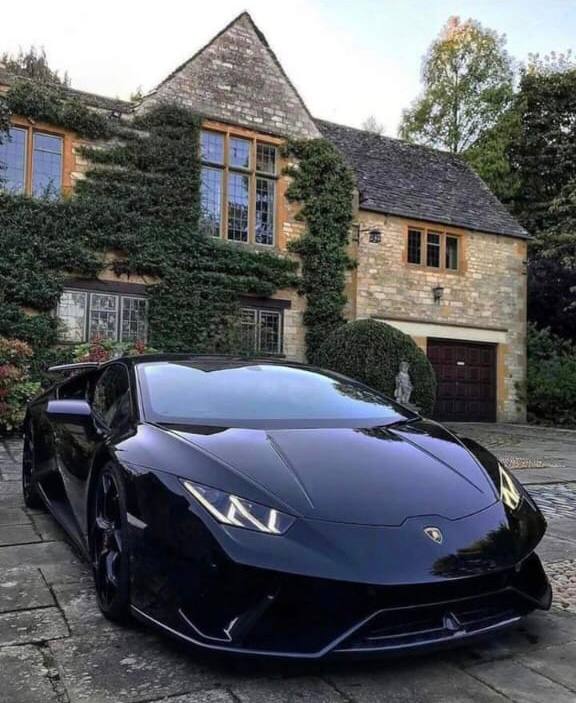
No production car currently available for purchase can reach 600 mph. The world land speed record for a wheel-driven vehicle is 481 mph (774 km/h), set by the British-designed ThrustSSC in 1997, which is still over 100 mph short of the target. Today's fastest production hypercars, like the Bugatti Chiron Super Sport 300+, have top speeds capped around 273 mph (439 km/h). The 600 mph barrier is an immense engineering challenge, primarily tackled by specialized, one-off jet or rocket-powered vehicles designed solely for record attempts on vast, flat surfaces like salt flats.
Reaching such an extreme velocity involves overcoming fundamental physics. The power required to overcome aerodynamic drag—the resistance an object meets when moving through air—increases with the cube of the speed. This means doubling your speed requires roughly eight times the power. At 600 mph, aerodynamic forces are immense, and the vehicle essentially becomes an aircraft that must be prevented from generating lift. Materials used in production cars are not designed to withstand these stresses or the heat generated by air friction.
Projects like the Bloodhound LSR aim to eventually surpass 600 mph. This vehicle uses a jet engine from a Eurofighter Typhoon combat aircraft combined with a hybrid rocket motor. It highlights the radical departure from conventional car design needed: advanced aerospace materials, a bullet-like shape for stability, and runs requiring over 12 miles of space. For a vehicle you can own and drive, the laws of physics, safety regulations, and practical road design make 600 mph an unattainable goal.
| Vehicle / Concept | Type | Top Speed (mph) | Powerplant | Key Limiting Factor |
|---|
| Production Car (e.g., Bugatti Chiron) | Road-Legal Hypercar | ~273 | Quad-Turbo W16 Engine | Tire technology, aerodynamics, electronic limiters |
| ThrustSSC (World Record) | Jet-Powered Car | 763 (Supersonic) | Twin Rolls-Royce Spey Jet Engines | Sonic boom management, directional stability |
| Bloodhound LSR | Jet/Rocket Hybrid | 628 (Aimed) | Eurofighter Jet Engine + Hybrid Rocket | Tire integrity at high Mach numbers, funding |
| North American X-15 | Rocket-Powered Aircraft | 4,520 (Mach 6.7) | Rocket Motor | Requires air launch from a B-52 bomber; not a car |