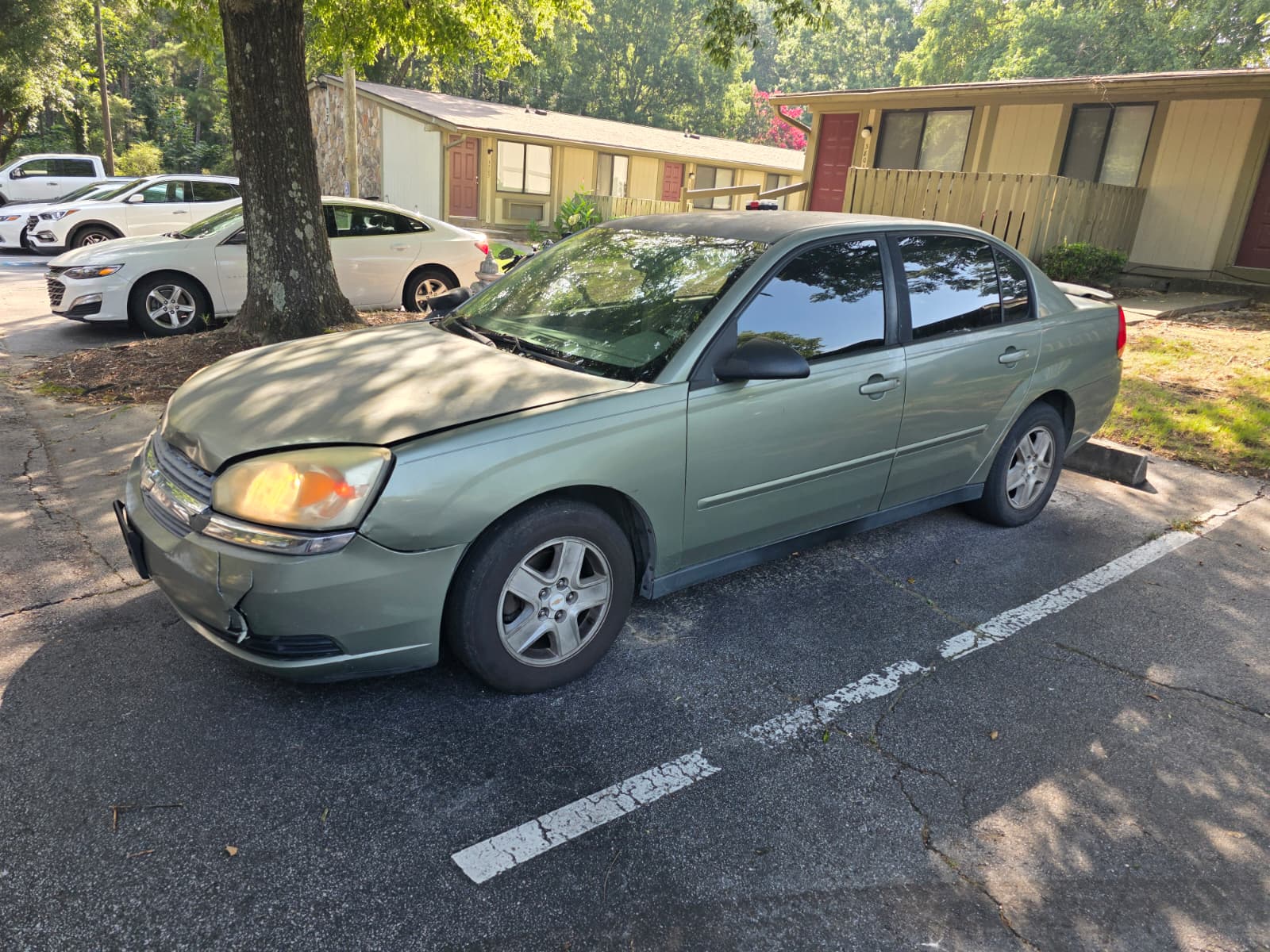
The solution when a car skids and cannot move is to replace the clutch disc and pressure plate. The functions of the clutch are: 1. To gradually increase the driving force of the car, allowing for a smooth start; 2. To temporarily separate the engine and transmission for gear shifting; 3. To prevent overload in the transmission system; 4. To reduce torsional vibration impacts from the engine and extend the lifespan of transmission gears. The working principle of the clutch is: 1. When starting the vehicle, the driver depresses the clutch, causing the pressure plate to separate from the friction disc, at which point the pressure plate and flywheel are not in contact at all; 2. During normal driving, the pressure plate is tightly pressed against the friction disc of the flywheel, creating significant friction between them, maintaining relative static friction between the input and output shafts, and ensuring both rotate at the same speed.

When my car starts to skid, I immediately stay calm and avoid stomping on the gas pedal to prevent making things worse. I remember last time when I got stuck on an icy road, I first shifted to a lower gear and slowly reversed or changed direction to find traction. If that doesn’t work, I’d place a mat or some sand under the tires to increase friction. I also keep a small shovel handy to clear mud and snow, and I regularly check tire wear and pressure, switching to winter tires as a preventive measure. While driving, I stay alert to slippery road conditions, maintain a safe distance, and keep my headlights on to reduce risks. Skidding can be dangerous—never force it. If I really can’t move, I call for help—safety comes first. I’ve learned these lessons over the years, and I feel staying calm in critical moments is the most important thing.

The car skidding makes me panic, but I always remind myself that safety comes first. Quickly stop the car, pull the handbrake, and turn on the hazard lights to warn others. Then try gently pressing the accelerator and turning the steering wheel to regain balance; if it's front-wheel drive, you can reverse. If all else fails, get out of the car and ask friends to help push or contact a professional rescue team. I usually avoid driving on muddy roads in the rain and switch to all-season tires for better grip. Knowing that skidding is often caused by worn tires or poor road conditions, prevention is much easier than dealing with it. These steps have helped me through several tough situations—slowing down actually solves problems faster, and staying calm can reduce accidents.

If the car is skidding and unable to move, I release the throttle to stop steadily. Try shifting to a lower gear, gently pressing the throttle while steering, and moving back and forth to see if it helps. If that doesn't work, get out and check if the tires are stuck in mud, using branches or rocks to pad them. Don't forget to turn on the hazard lights, and if all else fails, call a tow truck. Skidding is often caused by tire issues or sudden acceleration, so regular can prevent it. This approach is simple and effective.

I often focus on car to reduce the risk of skidding. When skidding occurs, avoid stepping on the accelerator; try reversing or placing something under the wheels. More importantly, prevention is key: check tire pressure and wear monthly, and switch to snow or all-season tires when necessary. Maintain low speeds on wet or slippery roads. Skidding often results from neglecting maintenance, and I've learned from experience that regular checks can save a lot of trouble. Safe driving habits make the journey smoother.

When the car slips in the mud, I immediately ease off the throttle to slow down. Try turning the steering wheel slightly or moving back and forth to find traction. Carrying a small emergency kit with a shovel can help, or use your to call for towing services. I usually learn some coping techniques and pay extra attention when driving off-road. Don’t panic when slipping; these methods have helped me avoid getting stuck deeper. Plus, preventive measures like checking tires can save a lot of trouble.