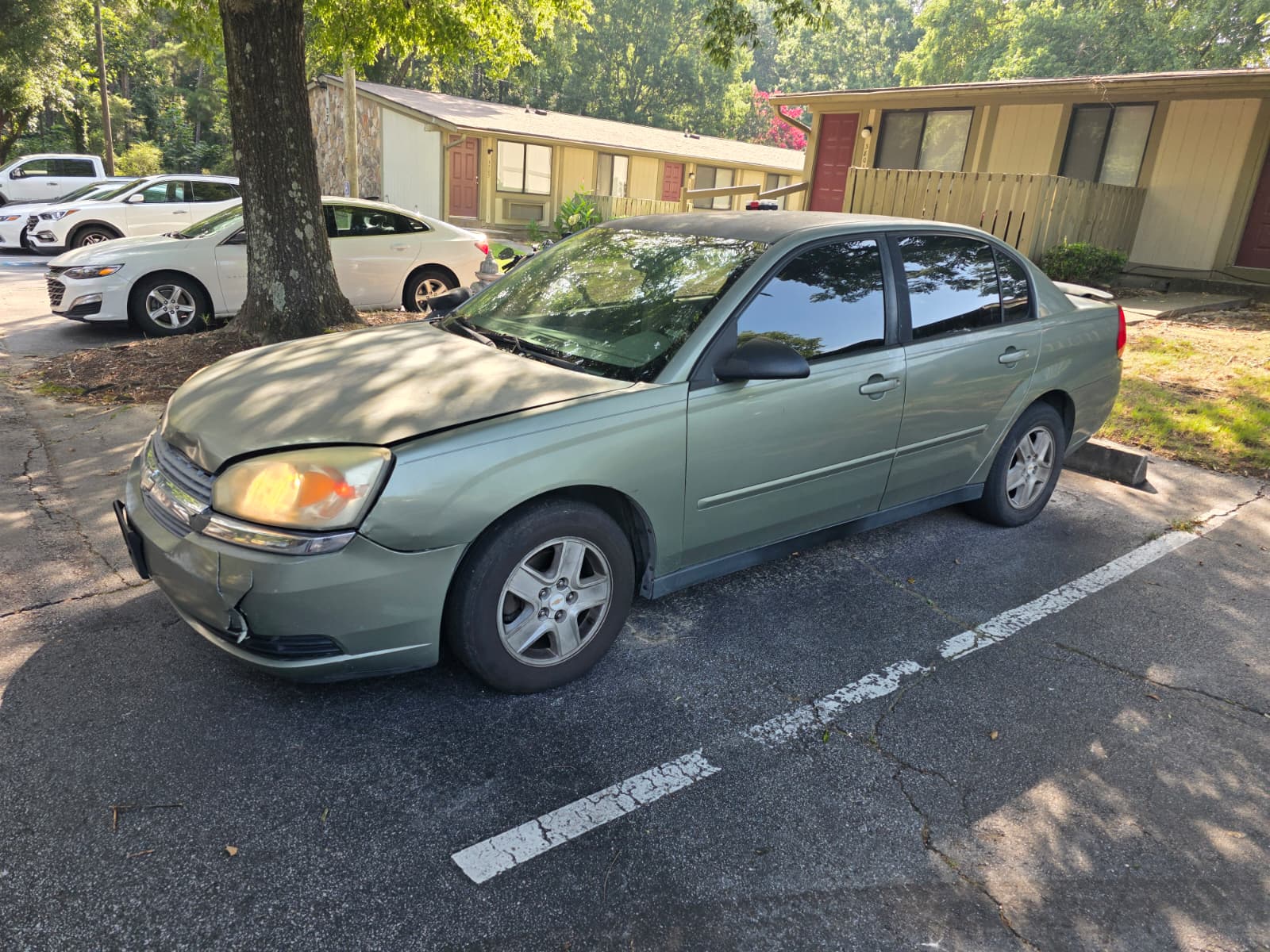
According to national regulations, the dimensions for parallel parking spaces on the roadside are as follows: large vehicle parking spaces have a width of 4 meters and a length ranging from 7 to 10 meters, depending on the vehicle type. For small vehicle parking spaces, the width ranges from 2.2 to 2.5 meters, with a length of 5 meters. The adjacent road should be 5 meters wide for single-sided small vehicle parking, 6 meters for double-sided, and 8 meters for large vehicles. Below is an introduction to parking space markings: Introduction: Parking spaces are composed of 0.15-meter-wide markings, usually in white. Yellow may be used for ground markings in parking spaces, and the direction of the vehicle's front is often indicated with white road marking paint. The standard parking space size is 5.3m x 2.4m, with adjustments made as needed without affecting parking. Each space is numbered to prevent parking errors and assist drivers in locating their vehicles. White markings: White is commonly used in parking lot markings due to its high visibility under strong outdoor light, creating a cohesive appearance for the garage. Some underground parking facilities even use white for no-parking grid lines, such as the markings in the underground parking lot at Jade Park in Beiqijia, Changping, by Jing Kai Tengda. Additionally, white markings indicate that the parking space is a paid parking spot.

As a seasoned driver with over ten years of experience, I've noticed that the standard dimensions for parallel parking spaces are typically around 6 meters in length and 2.5 meters in width. However, actual sizes vary by location—urban residential parking spots, for instance, sometimes shrink to 5.5 meters long and 2.3 meters wide. The biggest challenge in parallel parking is space. I've faced awkward situations where the space was too tight to fit the car, especially when driving an SUV, worrying about side mirrors scraping the curb. It's crucial to observe ground markings and curb width, leaving buffer space front and back to avoid scratches or blocking traffic. Regular practice with roadside parking and opting for spacious spots are safer bets, as ample dimensions minimize maneuvering hassles. I recommend beginners measure and simulate real scenarios in an open area using a tape measure.

As a newly licensed young driver, my instructor emphasized that the standard dimensions for parallel parking are approximately 6 meters in length and 2.5 meters in width. However, in reality, roadside parking spaces vary greatly in size, with some narrow alley spots in urban areas barely exceeding 5 meters in length, making parking attempts prone to failure. During my first attempt at a compact space, I had to reverse multiple times and nearly scraped the adjacent vehicle. Now, I deliberately choose noticeably larger spaces to practice, using side mirrors to gauge the distance from the curb and ensuring the car is centered and properly aligned. Compact cars are easier to handle, while larger vehicles like SUVs require extra caution—if the space seems insufficient, I simply find another spot.

Parking dimensions directly impact safety, with standard parallel parking spaces typically measuring about 6 meters in length and 2.5 meters in width. When parking roadside, always check if the space is adequate - insufficient space may leave your vehicle's rear protruding dangerously and make maneuvering in/out of traffic difficult. Once I parked in a roughly 5-meter spot and nearly had my door hit by a bicycle when opening it. Daily practice involves judging dimensions by ground markings - spaces on urban arterial roads are mostly compliant, while alleyways require personal estimation. Choosing appropriately sized spaces prevents accidents; after parking, always check front/rear clearances.

In urban living, roadside parking is a daily challenge; the standard parallel parking space measures 6 meters in length and 2.5 meters in width, but during peak times, these dimensions are often squeezed to less than 5 meters in length. Finding a parking spot in commercial areas is tough, and small spaces lead to time-consuming maneuvers and potential parking tickets. My routine is to first check the width of the spot: if it's too narrow, I look for a larger one. When parking, I on radar alerts and mirrors for assistance. Only when the space is reasonably sized do I feel confident to lock up and walk away—otherwise, getting blocked in is a real hassle.

The standard dimensions for parallel parking spaces are generally 5.5 to 6 meters in length and about 2.5 meters in width. When parking, it's essential to estimate the space size accurately—choosing a spot that's too small can make adjustments difficult. For instance, a space shorter than 5 meters can double the difficulty of reversing. I prefer parking close to the curb while observing the gaps in both side mirrors; selecting a slightly larger parking space makes the process much easier. Compact cars are simpler to park, whereas larger vehicles require additional space. Practicing parking techniques in real-world scenarios can save time and reduce stress.