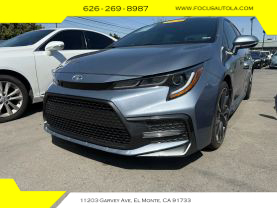
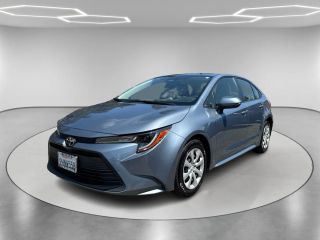
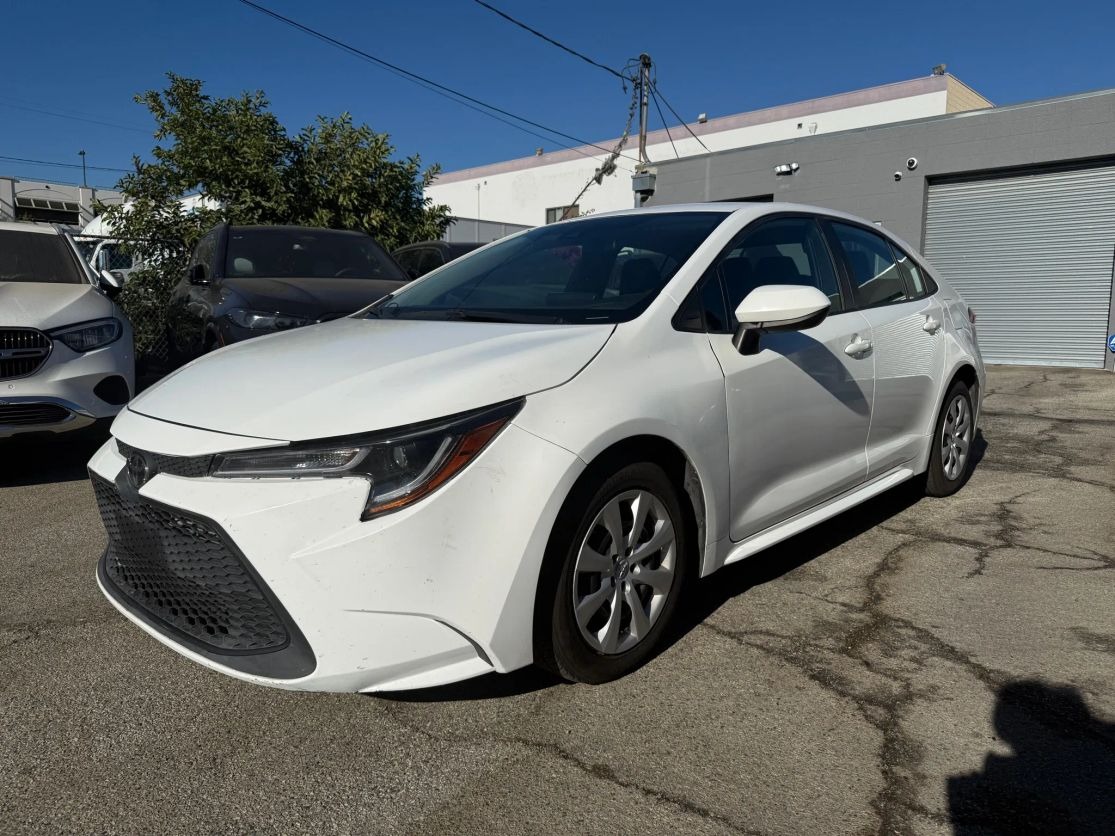
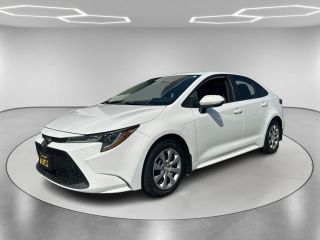
The differences between Corolla and Toyota Levin are: 1. Different minimum ground clearance: Toyota Corolla has a minimum ground clearance of 152mm; Toyota Levin has a minimum ground clearance of 105mm. 2. Different vehicle weight: Toyota Corolla weighs 1335kg; Toyota Levin weighs 1360kg. 3. Different trunk volume: Toyota Corolla has a trunk volume of 470L; Toyota Levin has a trunk volume of 471L. 4. Different rear suspension: Toyota Corolla uses an E-type multi-link independent suspension; Toyota Levin uses a double-wishbone independent suspension.

As a daily commuter, I recently compared the Corolla and Levin, and found the differences mainly lie in design style: the Corolla has a more classic and rounded exterior with a clean front fascia, giving a sense of conventional reliability; the Levin, on the other hand, is more sporty, with sharp-angled headlights and taillights that make it look younger and more aggressive. The Levin's interior also adds a more tech-savvy feel, with a faster-responding central control screen. The driving experience is largely similar, but the Levin's steering feedback is slightly more responsive, making it better suited for city driving. In terms of parts and maintenance costs, there's not much difference between the two, though the Levin may have slightly lower resale value but stands out with its unique personality. Personally, I prefer the Levin's fashionable elements—after all, it makes the daily commute more exciting.

I previously drove a Corolla for many years and now I'm considering switching to the Levin. I feel there isn't much difference in their core aspects—both are fuel-efficient and reliable cars. However, as a derivative model from Toyota, the Levin offers slightly more configurations, such as navigation systems or leather seats in some higher-end versions. The price difference between the two is minimal; the Corolla holds its value slightly better, but the Levin sometimes comes with more attractive discounts. Their space performance is identical, making them suitable for family use, with trunks that are more than sufficient for daily needs. In terms of maintenance, their engines and batteries are essentially the same, and upkeep costs are low. As a practical user, I prioritize real-world usability, and the Levin's novelty appeals to me.

As a practical car buyer, I feel the Corolla and Levin are like twin brothers. Externally, the Corolla leans towards a more conservative design, while the Levin appears more avant-garde. The Levin offers darker interior color options. In terms of driving experience, the differences are negligible—both provide smooth and fuel-efficient performance. Safety-wise, they both come standard with adaptive cruise control and emergency braking. They share identical cabin space, though the Levin's seats are slightly firmer. Overall, the choice boils down to personal aesthetic preference, with the Levin suiting those who wish to express individuality.

I usually enjoy studying cars, and comparing the Corolla and Levin, I found that their mechanical structures are identical, both derived from Toyota's TNGA platform, with engines like the 1.5L or hybrid delivering smooth and efficient power output. However, the Levin leans more toward sportiness in local tuning: the suspension is slightly stiffer, offering more direct handling and agile high-speed steering. In contrast, the Corolla prioritizes comfort, with softer vibration filtering. Externally, the Levin is more aggressive, featuring a bold front grille design, while the Corolla maintains a conservative and classic look. In the market, the Corolla holds its value slightly better, but the Levin has a slight edge in driving enjoyment. As a car enthusiast, I appreciate the rich choices these subtle differences bring.

Our family test drove both the Corolla and the Levin for comparison. There's no difference in space – the back seats comfortably accommodate all three kids in both, and the trunk volumes are identical. In terms of comfort, the Corolla's seats are slightly softer, while the Levin offers stronger support. Both hybrid versions have ultra-low fuel consumption, saving significant money on gas each month. Their prices are similar, though the Levin's higher trim sometimes includes a key feature. Maintenance costs are basically the same, with easy-to-find parts. As a family user prioritizing daily convenience, both are excellent, but the Levin's youthful vibe won our family's unanimous vote.