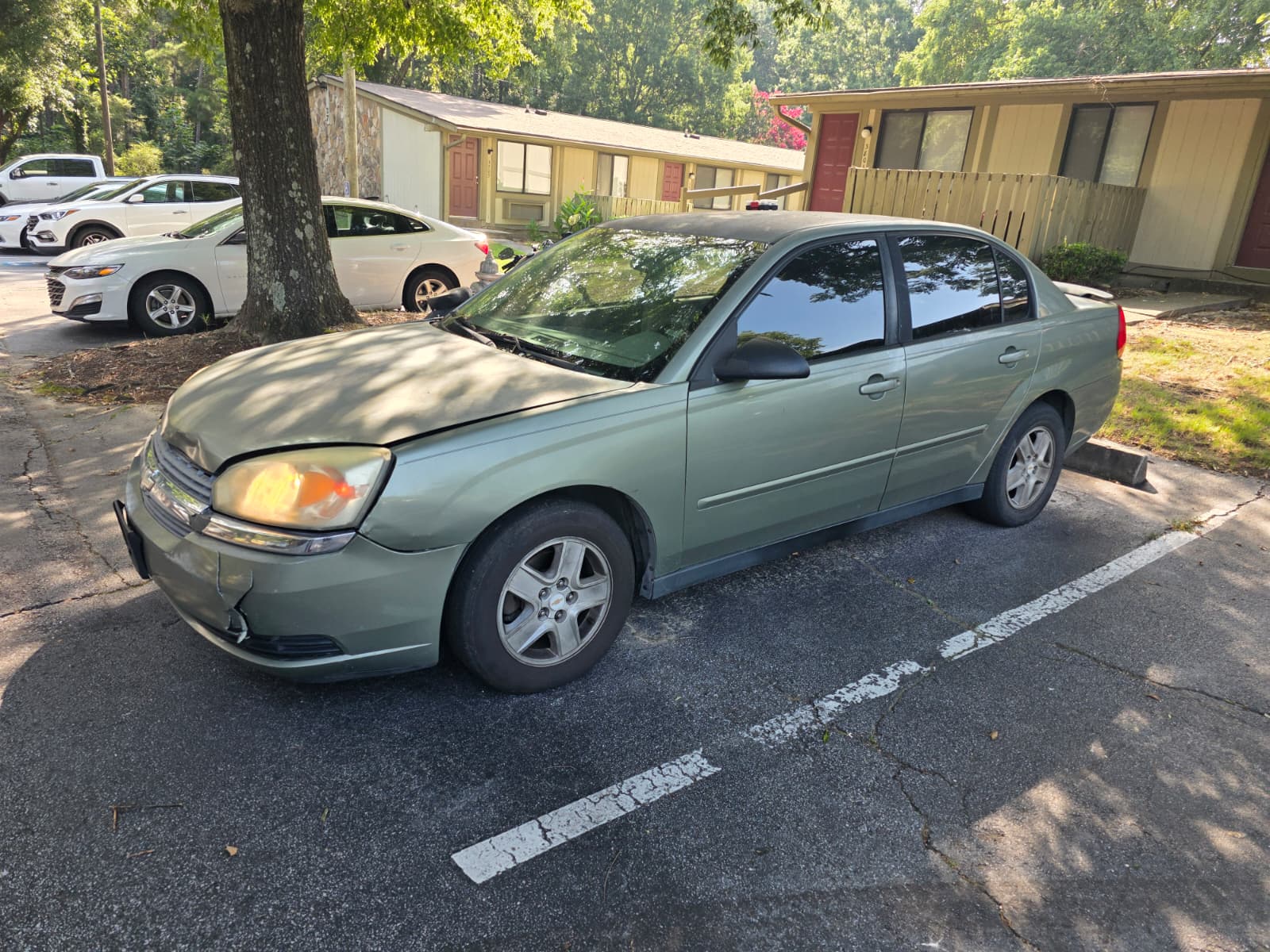
The 7 taboos for beginners used cars are: don't rush to pay a deposit, don't take the initial quote as final, don't focus on just one aspect, don't fixate on a single model, don't drive the car away immediately, don't rely solely on the odometer reading, and don't depend solely on a friend's advice. Don't rush to pay a deposit: Before completing the transaction, buyers should fully understand all the car's details, especially the actual condition, configuration, and subsequent procedures. Avoid paying a deposit hastily to prevent future regrets and unnecessary financial disputes between both parties. Don't take the initial quote as final: Each used car has different conditions and configurations, and most used car prices are not transparent, with no specific market reference. Dealers' quotes often have room for negotiation. When you find a car you like, compare multiple options and don't take the initial quote as final. Don't focus on just one aspect: This situation is more common among female and younger buyers, who often focus only on appearance. However, a car's overall performance should be considered comprehensively. Key components such as the frame, transmission, chassis, engine, and electrical system must not be overlooked. It's best to have a third-party inspection to avoid impulsive decisions and ensure rational consumption.

When I first got into used cars, I stepped into many pitfalls. The first taboo was impulsively without inspection—I purchased a cheap SUV recommended by a friend, only to spend over 5,000 fixing engine noises. Second, to save effort, I skipped paying for a VIN check, and after transfer, discovered it was a repaired accident car with welded A-pillars. Third, I neglected test drives—once, I didn’t drive because it was raining, only to find the steering pulled dangerously afterward. Fourth, I focused solely on low prices, ignoring condition—a dealer hid major repair records on a cheap listing. Fifth, I skipped third-party inspections and missed transmission fluid leaks. Sixth, my tight budget didn’t account for insurance and prep costs, nearly forcing me to cancel coverage. Seventh, I trusted a dealer’s “flood-free” claim, only to find mold under the carpets. Remember: Taking a full month to choose carefully is more important than saving money.

Novices used cars often overlook critical details at a high cost. Key pitfalls include: failing to thoroughly inspect the vehicle condition (e.g., chassis rust or engine oil leaks) which leads to skyrocketing repair costs later. Not checking complete vehicle history is a fatal mistake - accident repair records can prevent purchasing a cut-and-shut car. Skipping test drives carries maximum risk; I've witnessed someone buy a car with cracked brake hoses after failing to test emergency braking. Overpursuing low prices often leads to traps, like a seemingly pristine Japanese car that actually had its odometer rolled back. Rejecting professional inspections is especially unwise, as electrical issues are hard to detect visually. Underestimating ongoing costs is common - sudden insurance or tax increases can disrupt budgets. Lastly, blindly trusting verbal seller guarantees is dangerous; always sign paper contracts for proof. Having learned from these experiences, following proper procedures is the safest approach.

Don't rush when a used car—I've seen common pitfalls for beginners. The first taboo is paying a deposit without inspecting the car, especially checking the tires and electronic equipment. Second, always check the maintenance records—it's common for refurbished accident cars to be sold as new. Third, test drive in person to feel for steering wheel vibrations. Fourth, don’t be fooled by low prices—cheap cars may hide hidden issues. Fifth, consider hiring someone to inspect the chassis and engine. Sixth, set aside repair funds to avoid frustration later. Seventh, research the car’s reputation yourself—don’t blindly trust promises. In short, caution is key.

Last month, while helping my cousin look for a car, we almost fell into all the common newbie pitfalls. He was eyeing a cheap German car and wanted to buy it on the spot—Pitfall #1: Impulse . We insisted on checking the paint thickness, which varied by three times, suggesting it might be a refurbished accident car—Pitfall #2: Skipping vehicle history checks. He then tried to skip the test drive, saying he was in a hurry, but I dragged him to test it and found the AC making strange noises (Pitfall #3: Ignoring the test drive). The salesperson hyped it as 'original paint' at a low price (Pitfall #4: Chasing bargains), and he almost paid right away. I stopped him and called for a professional inspection (Pitfall #5: Skipping professional inspection), which revealed a cracked engine block requiring an $8,000 repair (Pitfall #6: Not budgeting for future costs). The salesperson dismissed it as a 'minor flaw' (Pitfall #7: Trusting the seller blindly). In the end, we took my cousin to pick another car and dodged the bullet. Being extra cautious can really save you big money.

I understand there are seven pain points that beginners must navigate when a used car. First, skipping critical inspections—the condition of the chassis and suspension directly impacts safety. Second, neglecting vehicle history checks—nowadays, a mobile app can provide full accident and maintenance records for just 30 yuan, and this expense shouldn’t be skipped. Third, not conducting thorough test drives—at least 15 minutes covering slopes and turns to test brake response. Fourth, being lured by suspiciously low prices—a car priced at 50,000 yuan when the market value is 70,000 yuan surely has issues; dealers won’t sell at a loss. Fifth, not spending a small amount on professional inspections—a friend once bought a flood-damaged car because they didn’t test interior humidity. Sixth, only calculating the car’s price without factoring in additional costs—refurbishing an older car’s tires or spark plugs could suddenly add thousands in expenses. Seventh, blindly trusting the dealer’s claims—checking platform reviews yourself is far more reliable. Following each step diligently makes the process much safer.