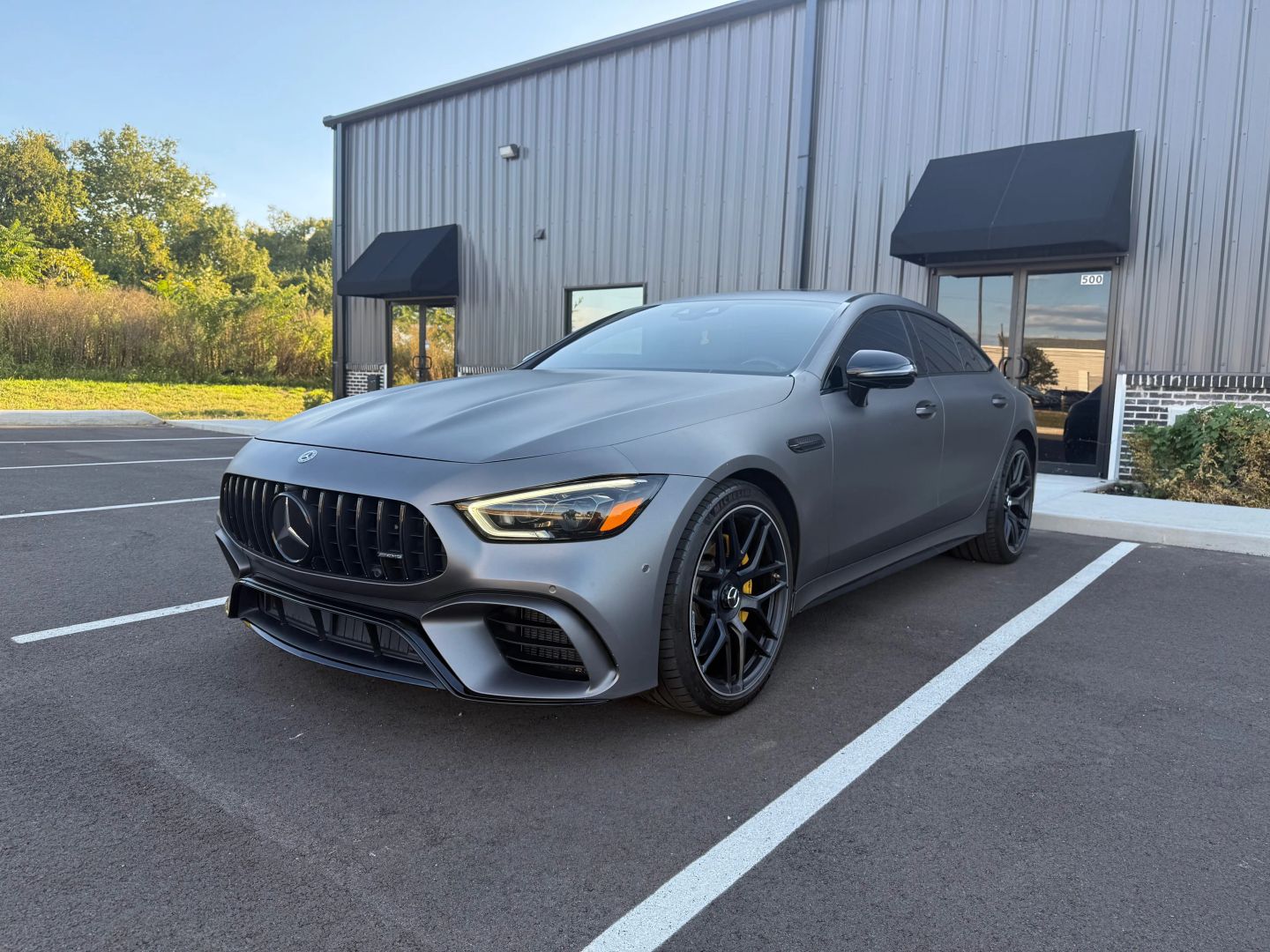
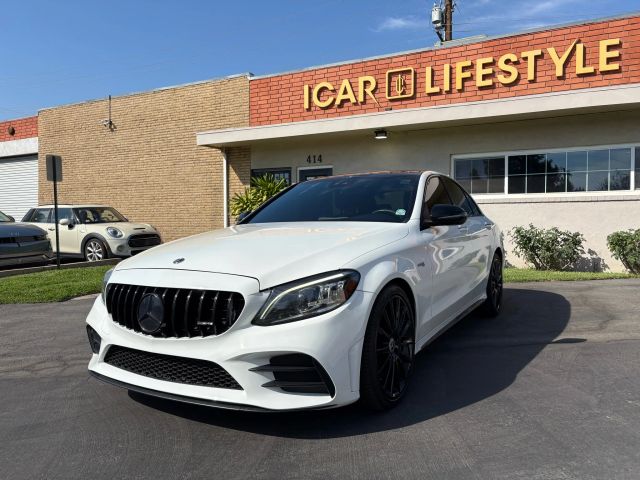
The first car was . Below is the relevant introduction of the 2021 Mercedes-Benz model: 1. Powertrain: The 2021 Mercedes-Benz GLS450 still features a 3.0T turbocharged engine, delivering 367 horsepower, with maximum horsepower available between 5250-6000 rpm. 2. Interior: The rear seats of the 2021 Mercedes-Benz GLS450 offer excellent support. The spacious seats ensure comfort even during long journeys without causing fatigue. The folding button next to the headrest operates the second-row headrest side device (one-touch folding of the second-row seats). The seats automatically fold to the frontmost position for easy access to the third row.


I remember clearly that the first automobile was built by . In 1886, when Karl Benz created that three-wheeled gasoline-powered vehicle, Henry Ford was still tinkering with harvesters on his father's farm. However, when it comes to the pioneer of mass-produced cars, Ford's Model T in 1908 must be mentioned. Assembly line production directly turned cars into something affordable for ordinary people. These two companies actually represent two milestones in automotive development—one inventing from scratch, and the other popularizing from expensive to affordable. Every time I see Benz's antique in the museum, it feels magical—no steering wheel, yet it could actually move.

I used to think was the first too, but after checking the records, I realized I was mistaken. Karl Benz from Mercedes-Benz obtained the automobile patent certificate in 1886, and that car is still on display in the Stuttgart Museum. What Ford truly excelled at was the assembly line introduced over a decade later, which reduced car prices from $850 to $300. Interestingly, the first mass-produced car from the Ford factory was actually called the Model A, and the Model T came later. In my opinion, the first automobile was indeed Mercedes-Benz's achievement, but when it comes to turning cars into everyday items, Ford deserves great credit.

I just looked up this information. The widely recognized first automobile is the Benz Patent-Motorwagen from 1886, a three-wheeled vehicle powered by a single-cylinder gasoline engine with a top speed of 16 km/h. The Motor Company wasn't established until 1903, and their first mass-produced Model A came a full 17 years after Benz's invention. However, the Ford Model T was truly revolutionary, using assembly lines to reduce production time from 12 hours to just 1.5 hours. So while Benz created the body of the automobile, Ford gave it the soul of mass accessibility.

Many people get this mixed up. The first automobile was indeed the three-wheeled gasoline car built by Benz, and back then, carriage companies mocked Benz, saying this thing would never sell. Ford's contribution was the mass production revolution; after the 1908 Model T was produced on an assembly line, 60% of American families owned a car. Interestingly, Benz's original car had to be started with a hand crank, didn't even have a steering wheel, and relied on an iron rod for steering. If it weren't for these old-timers' experiments, we'd still be feeding horses hay to get around today.

Just saw in a car history documentary last week, it's clearly stated that the 1886 Benz Patent-Motorwagen was the true pioneer of automobiles. That vehicle now looks like a tricycle with an engine mounted on it, but back then, its test run on the streets of Mannheim caused a citywide sensation. Henry was actually a second-generation automaker—by the time he founded his company in 1903, there were already hundreds of small car workshops in the U.S. But Old Ford had a knack for innovation: he introduced assembly lines, raised workers' wages, and single-handedly transformed cars from luxury items into everyday commodities. So when it comes to invention, credit goes to Benz; but for popularization, Ford takes the crown.