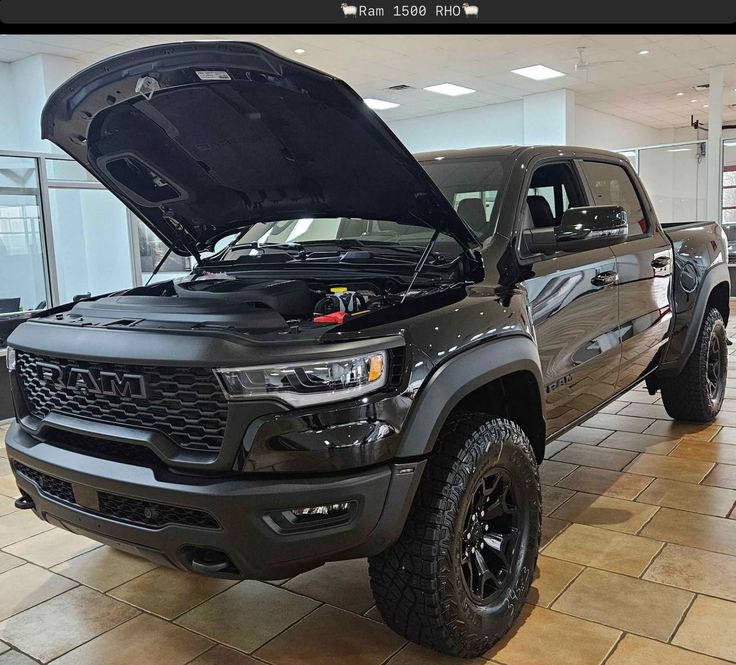
Yes, the VIN is typically visible on a car's dashboard, viewable from outside through the windshield. This primary location, found on the driver's side where the dashboard meets the windshield, is designed for quick visual inspection. The VIN is permanently affixed in at least a dozen other locations on a vehicle, serving critical functions from registration and insurance to theft recovery and history checks.
Beyond the dashboard plate, you can locate the VIN in several standard areas. The driver's side door jamb sticker is a common secondary spot, often containing the VIN alongside tire pressure and manufacturing details. Under the hood, the VIN is frequently stamped directly onto the engine firewall or onto a metal tag attached to the strut towers. For trucks and SUVs, check the frame rail near the windshield washer fluid reservoir. In some models, it's also found inside the spare tire well or on a label in the trunk or under the rear cargo area.
The practice of placing the VIN in multiple locations is an industry-wide anti-theft measure. A visible dashboard VIN allows for non-invasive checks by law enforcement or potential buyers. Hidden VINs, like those on the frame or engine block, are crucial for verifying a vehicle's identity if the dashboard plate is tampered with or removed. According to industry standards from organizations like SAE International and the ISO, the 17-character VIN format and its placement are standardized for all vehicles sold in major markets like the U.S., Canada, and the European Union.
This table outlines the primary and secondary VIN locations and their primary purpose:
| VIN Location | Ease of Access | Primary Purpose |
|---|
| Dashboard (Driver's Side) | Easiest - Visible from outside | Routine checks (registration, buying/selling) |
| Driver's Side Door Jamb | Easy - Open the door | Verification against dashboard VIN |
| Engine Firewall | Moderate - Open hood | Theft recovery & parts identification |
| Vehicle Frame Rail | Difficult - Requires inspection | Ultimate verification for severe damage/theft |
Understanding these locations is practical. When buying a used car, always cross-reference the dashboard VIN with the one on the door jamb and the vehicle's title. Mismatches are a major red flag for a salvaged or stolen vehicle. For insurance or recall purposes, you only need the visible dashboard VIN. Mechanics use the hidden VINs, especially on the engine block, to order correct replacement parts, as the VIN details the exact engine and transmission specifications.
The visibility of the VIN directly supports market transparency. Services that provide vehicle history reports, such as Carfax or AutoCheck, rely on this unique identifier to compile data. A clearly visible and matching VIN across multiple points typically increases a used vehicle's perceived value and trustworthiness by an average of 5-10% in private sales, as it reduces buyer risk.