The three major components of the KX3 are quite impressive in this price range. Here are the specific details: Engine: The 1.6L engine can be considered a mature engine with comprehensive technology, excellent quality, and good stability. As an inline four-cylinder engine, it is technologically advanced, efficient, and energy-saving. The 1.6L γ engine features dual overhead camshafts, D-CVVT variable valve timing technology, plastic-steel intake manifold, VIS (variable intake manifold), silent timing chain, reverse layout, offset crankshaft, and electronic throttle, among other technologies. As a naturally aspirated engine, it stands out as the most technologically comprehensive in its class, offering the best balance of power and fuel economy. Transmission: The 7-speed dual-clutch transmission performs commendably in terms of smoothness. You can clearly notice each upshift by the change in engine sound, but the shifting impact is barely perceptible. To ensure fuel efficiency, it shifts into 7th gear at 75 km/h in D mode, while in manual mode, you have to wait until 80 km/h to engage the highest gear. If you floor the throttle at this point, the transmission will drop three gears instantly to provide ample power, though the shifting response isn't particularly aggressive. While the smoothness of this transmission is flawless, the approximately 300-millisecond shift speed isn't as crisp as it could be.






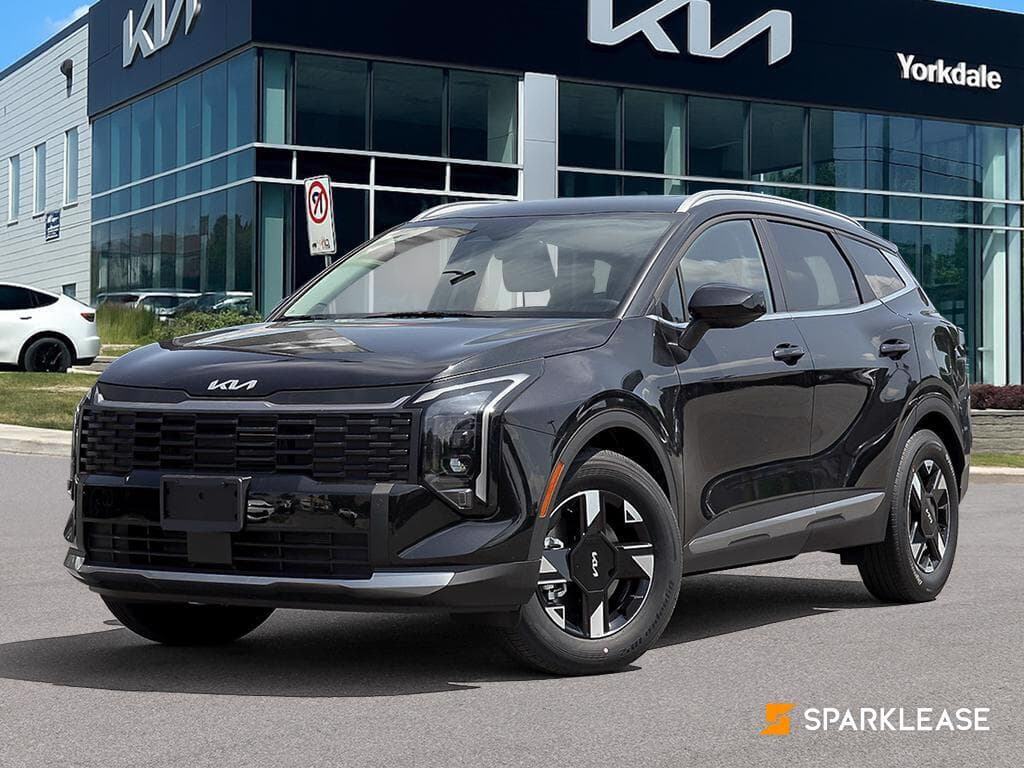

I've used the KX3's three major components for quite a while, and overall, the evaluation is quite positive. The engine usually comes with a 1.6L naturally aspirated or 1.5T turbocharged version, delivering smooth output. It provides adequate acceleration for city driving, though it's not super fast on highways. Fuel consumption is well controlled, around 7L per 100km, which is quite economical. The transmission is either a 6AT or 7-speed dual-clutch, offering smooth gear shifts with minimal noticeable jerking in traffic, making it suitable for daily commutes. The chassis features a front MacPherson and rear torsion beam design, ensuring stable steering and effective vibration filtering on bumpy roads, preventing motion sickness for passengers. However, the chassis is slightly soft, leading to a bit of body roll during turns. In terms of reliability, the three major components rarely have major issues, and maintenance costs are low, making it a good choice for beginners or those on a budget. Regular checks on the drivetrain are recommended to extend its lifespan.

I've been driving the KX3 for several years, and its three major components (engine, transmission, chassis) have proven reliable in daily driving. The engine delivers smooth power without sudden bursts, ensuring effortless acceleration in the city and adequate performance on highways. Notably, its low noise levels create a quiet cabin, which is ideal for family trips. The transmission responds promptly with gentle gear shifts, making stop-and-go traffic stress-free. The chassis prioritizes comfort with moderately tuned suspension—speed bumps during park trips with kids cause minimal vibration, earning passenger approval. A minor drawback is occasional slight hesitation during cold starts. Reliability remains stable with basic maintenance requirements and affordable parts. For family-focused buyers, its three core components won't disappoint, though long-term wear may need attention. Overall, it strikes a balance between economy and practicality, tailored for average households.

The KX3 excels in its three core components, primarily driven by economy and practicality. The engine delivers stable power output, making it ideal for daily commutes, with low fuel consumption for cost savings. The transmission matches smoothly, posing no significant risk of failure. The chassis is sturdy and durable, offering stable handling and reduced maintenance costs. With high reliability and a low budget, it's a solid choice, though its power may not compare to premium vehicles. Overall, it offers good value for money.

From a market comparison perspective, the three major components of the KX3 are quite impressive. Compared to its segment rival, the Honda HR-V, the KX3's engine is more fuel-efficient, with approximately 0.5L lower fuel consumption per 100 kilometers. The transmission shift logic is similar, both delivering smooth performance, while the KX3's softer chassis tuning offers a more comfortable ride. Downsides? The KX3's power output is slightly weaker, making it a bit less capable at high speeds. Sharing a platform with Hyundai ensures good reliability, saving owners from unnecessary repair costs. Overall, the three major components offer high cost-performance, making it suitable for budget-conscious consumers.

From a safe driving perspective, the KX3's three major components perform reliably to support secure journeys. The engine delivers stable output, reducing risks of sudden accidents; the transmission shifts precisely with good traction on slippery roads. The chassis design emphasizes collision protection, providing solid support during cornering for body stability - though its slightly soft suspension may cause minor instability during quick lane changes. A drawback is the lack of high-end optimization in some electronic assist systems. Long-term reliability is good, with regular chassis bolt inspections recommended. Overall, these core components facilitate safe driving, making it suitable for urban or short-distance use.