···
Log in / Register

How to Screen Mirror on Kia K3's Central Control Display?

6Answers
LePaislee
07/29/2025, 10:52:14 PM

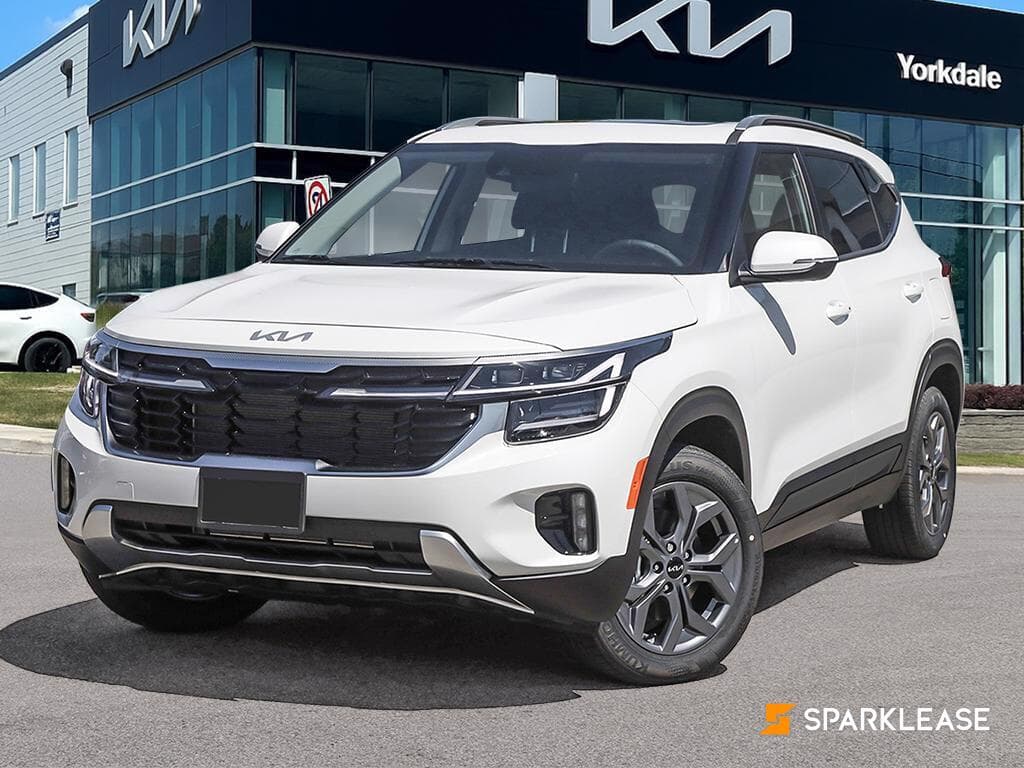
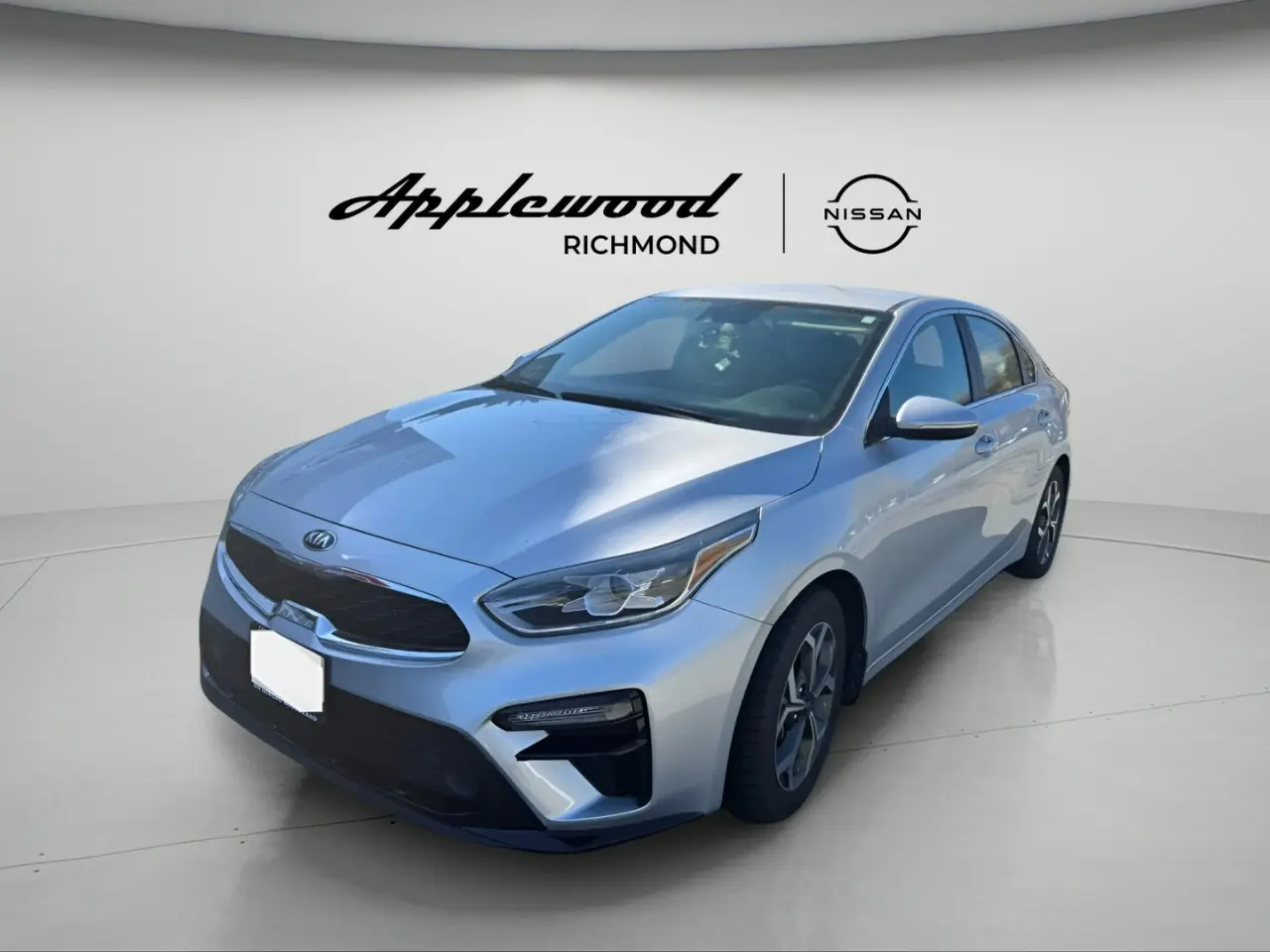
To screen mirror on the Kia K3's central control display, open CarLife in the car and connect via USB. Kia K3 Exterior: It continues the family's tiger-nose design style, with an increased width of the grille and elongated lines for the headlights. The fog light area is decorated with irregular silver accents, and the car features a full-width front bumper. Kia K3 Configuration: Equipped with the Smart Connectivity System 2.0 and DRIVEWiSE Intelligent Safety Assist System, among other smart configurations. The Smart Connectivity System 2.0 is built and deployed based on Baidu's big data engine.

Was this review help?
105
Share
AlexanderFitz
08/16/2025, 05:12:23 AM

When it comes to screen mirroring on the Kia K3's infotainment display, I've had plenty of hands-on experience. My car uses Android Auto for projection: after starting the vehicle, plug in a USB cable to the port under the dashboard, and a prompt will pop up on the screen—just tap to confirm. Android phones need the Android Auto app pre-installed, while iPhones use CarPlay, with similar operations. Bluetooth only transmits audio, so a wired connection is mandatory. I often encounter unstable signals, especially on bumpy roads, so I recommend using high-quality USB cables to ensure stability. Projecting navigation while parked is incredibly convenient, but set it up before driving and don't touch it—safety first. You'll get the hang of it after a few tries, and avoid using worn-out cables to prevent issues.

Was this review help?
2
Share
Expand All
AdrianLee
10/21/2025, 10:01:32 PM

I think the screen mirroring for the Kia K3 is quite simple, even beginners can handle it. First, connect your phone to the car's system using a USB cable plugged into the port next to the central display. Then, select the screen mirroring mode from the options that pop up on the screen. Your phone must support Android Auto or CarPlay, and iPhone users should ensure their system is updated. Didn't succeed after a few tries? Don't worry, check if the cable is damaged or if there's dust in the port. For safety, only operate while parked. Once set up, navigation is displayed directly on the large screen, making driving more convenient. Bluetooth is only for playing music, don't expect screen mirroring. In short, practice makes perfect.

Was this review help?
18
Share
Expand All
AuroraAnn
12/04/2025, 09:24:48 PM

I've researched the screen mirroring function of the Kia K3. It supports standards like USB or MHL protocol. For Android devices, connect via cable and select direct mode to reduce latency. Apple devices must use CarPlay, achieving screen projection through lightning cable. I've optimized the settings: turning off the phone's power-saving mode and regularly updating the car's software to improve compatibility. Cable quality is crucial; poor cables often cause disconnections, affecting the experience. Operate while parked to avoid distractions. For best compatibility, check the official website for supported phone models and avoid using unofficial apps.

Was this review help?
20
Share
Expand All
VonVera
01/24/2026, 10:46:10 PM

Safety is paramount! Never operate the screen mirroring function in your Kia K3 while driving. Park the car securely, plug the USB cable into the infotainment screen port, and connect your phone. Quickly and accurately confirm any pop-up prompts on the screen. Bluetooth only transmits audio. If the connection fails, wait until the car is parked to troubleshoot. Keep your eyes on the road to avoid accidents caused by distraction. I also recommend regularly cleaning the data port to prevent poor contact. Following these simple steps makes screen mirroring navigation convenient, but remember – safety first is always the golden rule.

Was this review help?
1
Share
Expand All
DelReagan
04/20/2026, 04:32:14 AM

Kia K3 Screen Mirroring Quick Guide: 1. Prepare your smartphone and USB cable. 2. Start the engine to warm up the car. 3. Connect your phone to the USB port below the center display. 4. Select the screen mirroring or CarPlay option on the display and confirm. Android users require Android Auto support, while Apple users use CarPlay. It only takes a few minutes to set up, and projecting navigation onto the large screen helps you focus more on driving. Safety tip: Complete the setup while parked to avoid multiple plugging and unplugging. Bluetooth audio transmission is ineffective, so remember to use the original cable to minimize hassle. Practice a few times, and you'll master it quickly. Guide complete.

Was this review help?
13
Share
Expand All
More Q&A

How to Drive the 10th-Generation Civic for Better Fuel Efficiency?

Here are methods to reduce fuel consumption for the 10th-generation Civic: 1. Enhance vehicle maintenance: The adjustment and maintenance of the car affect engine performance and driving resistance. Statistics show that poorly maintained engines can increase fuel consumption by 10% to 20%. Owners should regularly visit auto repair shops for routine maintenance, such as checking tire pressure, wheel alignment, adjusting brake pad and drum clearance, lubricating chassis points, timely oil changes, and filter inspections. 2. Avoid prolonged engine idling: Idling consumes significantly more fuel than normal driving. Therefore, if the vehicle is stationary for extended periods (e.g., waiting), it's best to turn off the engine. During cold starts, warm-up should not exceed 1 minute; maintaining low-speed driving for a few minutes is sufficient. 3. Minimize sudden braking and acceleration: Smooth and steady driving is most fuel-efficient. During acceleration, avoid stomping on the throttle—gradual acceleration is ideal. Once reaching a steady speed, maintain it as much as possible. In congested areas, anticipate road conditions to avoid sudden braking, which not only saves fuel but also extends vehicle lifespan. 4. Maintain an appropriate driving speed: Each car has an optimal fuel-efficient speed (typically 70–90 km/h for sedans, varying by model). At high speeds, resistance (mainly air resistance) increases dramatically.
106
Share

How to Clean Scale Inside the Engine?

Engine internal scale cleaning method is as follows: 1. After the engine is turned off, drain the cooling water and add cleaning agent; 2. Start the engine and run at medium speed for 5-10 minutes, then let it sit for 15 minutes; 3. Run at medium speed again for 5 minutes, then drain the cleaning agent. Repeat this process three to four times until the discharged cleaning agent is free of contaminants. More information about engine scale: 1. There are two commonly used cleaning agents for removing scale: one is adding 750g of caustic soda and 250g of kerosene to 5000g of water; the other is adding 1000g of baking soda and 500g of kerosene to 5000g of water. The amount of cleaning agent should be determined based on the volume of cooling water. 2. Excessive cooling water temperature caused by scale will also lead to high temperatures in the cylinders and intake passages, causing the mixed gas entering the cylinders to expand due to heat, reducing air intake, lowering engine power, increasing fuel consumption, and potentially causing "auto-ignition" or "knocking" phenomena.
104
Share

What does TC mean?

TC stands for Traction Control System, which enhances a vehicle's off-road capability. More details about TC are as follows: 1. When braking on slippery surfaces or during rapid acceleration, a car's wheels may slip, potentially causing loss of directional control. The Traction Control System is specifically designed to address this issue. When the ABS (Anti-lock Braking System) detects wheel slippage, it applies braking to the slipping wheels to prevent loss of traction. 2. When the system is active, the yellow TC indicator light on the dashboard will flash to alert the driver. The Traction Control System not only improves driving stability but also enhances acceleration and climbing ability.
103
Share

What is the oil specification for the Leiling 1.2t?

Toyota Leiling 1.2t engine uses 5W-30 oil. Here is some relevant information: 1. There are three types of engine oil used in cars: mineral oil, semi-synthetic oil, and fully synthetic oil. Compared to mineral oil and semi-synthetic oil, fully synthetic oil performs better, has a longer service life, and provides better protection for the engine. 2. During engine operation, oil is essential as it forms a protective film inside the engine, offering enhanced protection and extending the engine's lifespan. 3. Low-temperature viscosity grades: These include 0W, 5W, 10W, 15W, 20W, and 25W. The smaller the number, the better the cold-start performance at low temperatures. 'W' stands for winter, indicating low-temperature performance. For example, 0W oil freezes at -35°C, while 5W oil freezes at -30°C. 4. High-temperature viscosity grades: These represent the viscosity at 100°C and include 20, 30, 40, 50, and 60. The higher the number, the greater the viscosity. 5. All-season oil: Specifications like 5W-40, which include both low and high-temperature viscosity grades, indicate all-season oil. Most modern vehicles use all-season oil, eliminating the need to change oil with the seasons.
106
Share

What Lights to Use on Highways at Night?

When driving on highways at night, the use of lights should be determined based on different actual situations: 1. During normal driving, turn on the night lights and width indicator lights. If there are no vehicles ahead and no lighting, you can appropriately use the high beams to briefly observe the road and surrounding conditions at a farther distance, then quickly switch back to low beams. 2. When meeting another vehicle, alternate between high and low beams. If there is a vehicle ahead or an oncoming vehicle, remember to switch from high beams to low beams. 3. When overtaking, switch from high beams to low beams in advance. If you intend to overtake, turn on the turn signal (left blinker) when you are 80 meters away from the vehicle ahead, and turn off the high beams. When you are 30-50 meters away from the vehicle to be overtaken, flash the high beams a few times to signal your intention to overtake. 4. In foggy conditions, if visibility is less than 200 meters, turn on the fog lights, low beams, clearance lights, and front and rear position lights. If visibility is less than 100 meters, turn on the fog lights, low beams, clearance lights, front and rear position lights, and hazard warning flashers. If visibility is less than 50 meters, turn on the fog lights, low beams, clearance lights, front and rear position lights, and hazard warning flashers, and do not exceed 20 kilometers per hour. Exit the highway at the nearest exit as soon as possible.
117
Share

What Generally Needs to Be Replaced During a Car's First Maintenance?

During a car's first maintenance, engine oil, oil filter, transmission fluid, and rear axle oil are generally replaced. Below is detailed information about a car's first maintenance: 1. The first maintenance must be performed within 5,000 kilometers or six months of driving, whichever comes first. Typically, the ideal time for the first maintenance is between 4,000 and 5,000 kilometers. 2. The key tasks of the first maintenance for a new car are replacing the engine oil and oil filter. Since the period before the first maintenance is the break-in phase of the vehicle, the gradually breaking-in engine will mix mechanical impurities such as dust, metal wear, and carbon deposits into the oil. Replacing the oil and filter during the first maintenance is crucial, as debris generated by the engine, if not promptly removed, may cause abnormal damage to the internal parts of the cylinders. 3. Tightening nuts. During the first maintenance, the nuts in various parts of the new car should be inspected. Many vehicles leave some nuts slightly loose during manufacturing, considering the break-in period of the new car. During the first maintenance, all nuts will be tightened to the specified torque according to regulations.
118
Share
Cookie
Cookie Settings
© 2025 Servanan International Pte. Ltd.