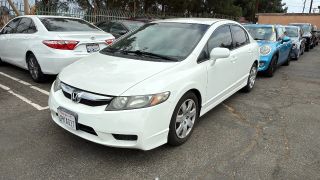
The method to restart the screen of the tenth-generation Civic is: turn off the car and then restart it. Taking the 2021 Civic as an example, it belongs to the compact car category, with body dimensions of: length 4517mm, width 1799mm, height 1434mm, a wheelbase of 2700mm, a fuel tank capacity of 47 liters, and a curb weight of 1343kg. The 2021 Civic features a MacPherson strut front suspension and a multi-link independent rear suspension. It is equipped with a 1.5L turbocharged engine, delivering a maximum horsepower of 177ps, a maximum power of 130kw, a maximum torque of 220nm, and is paired with a continuously variable transmission.

Last time I was driving my 10th-gen Civic, the screen suddenly froze, which was really annoying. The simplest way to restart the screen is to press and hold the system power button—the round button on the left side of the screen—for at least five seconds until the screen goes black and lights up again. This usually fixes most freezing issues. If that doesn’t work, it might be due to outdated software or a system glitch, so I’d recommend visiting a dealership to refresh the system with professional tools. To minimize issues, I make it a habit to regularly close unnecessary background apps, like reducing and navigation background usage, or disconnecting the battery’s negative terminal for a few minutes when parked to reset the whole system. Remember, never attempt a restart while driving—safety first. Overall, keeping your car’s software updated is key. I personally use Honda’s official app to automatically check for new updates.

My 10th-gen Civic's infotainment screen once responded sluggishly, and I figured out the reboot method: press and hold the power button on the screen—it's the small icon at the lower-left corner of the center console—for about ten seconds until it goes black and restarts. This trick works great for software freezes, but if it keeps happening, it might be due to full storage or compatibility issues. For a more permanent fix, I regularly clean cache files, like deleting old map data or updating firmware via USB, which helps prevent crashes. Also, note that cold weather or sudden voltage fluctuations can make the screen unstable, so I turn off the engine before operating it to avoid damage. If holding the button doesn’t work, try disconnecting the battery cables for a few minutes for a full reset.

I encountered a screen freeze on my 10th-gen Civic. The restart method is to hold the power button for 5 to 10 seconds until it reboots. This button is located at the bottom left of the screen and is easy to find. Screen malfunctions are often minor software bugs, and a simple restart usually fixes them. To prevent this, I try to install as few external apps as possible. If the issue persists, check for updates and download the latest firmware from the official website to install it.

When the infotainment screen on my 10th-gen Civic freezes, I usually hold down the power button for 5-10 seconds to force a reboot. The button is located on the small circular knob at the lower left corner of the center console - press and hold it steadily. A reboot can clear temporary glitches, but if it doesn't work, check whether system storage is nearly full or if there are loose connections. I recommend preventive measures like monthly manual reboots as , or disconnecting the battery negative terminal for five minutes after turning off the engine for a complete reset. Using only OEM-approved software minimizes compatibility risks and keeps the screen functioning properly.

When the screen of my 10th-gen Civic freezes, my go-to reboot method is holding the power button at the lower-left corner for over five seconds until the screen goes black and recovers. This button operation is simple and hassle-free, solving most software glitches instantly. Occasionally, when the issue stems from voltage instability or old data conflicts, I have the technician flash the system during routine . For prevention, I regularly clean unnecessary files and update versions, such as checking the software status via the OBD interface to ensure smooth operation. Here's a handy tip: if the button doesn't work, disconnecting the battery's negative terminal for two minutes for a complete reset is highly reliable and can save on repair costs.