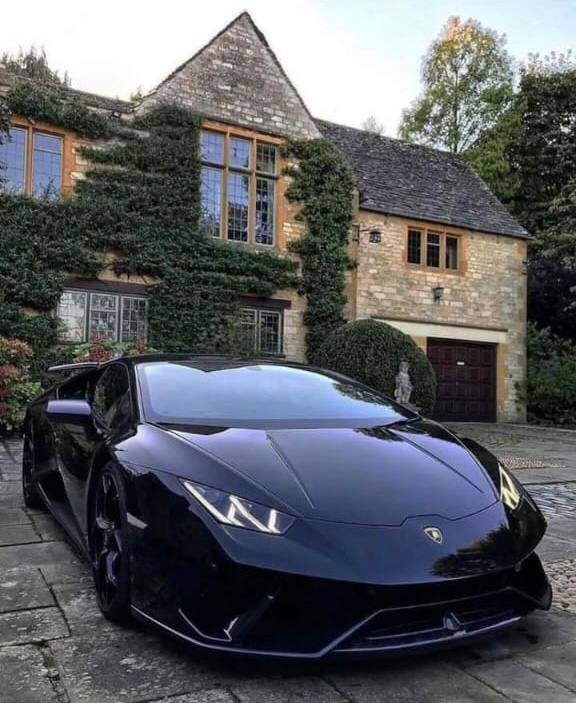
Creating your own car from scratch is an immense undertaking, but it's generally achieved through three main paths: building a kit car, performing a ground-up custom fabrication, or a complete restomod of an existing vehicle. For over 99% of enthusiasts, building a kit car is the most practical and successful method, as it provides a pre-designed chassis, body, and all necessary components. This approach balances creativity with engineering feasibility.
The process begins with selecting a kit car manufacturer and model. Companies like Factory Five Racing (Cobra replicas) or Superformance (GT40 replicas) offer comprehensive kits. Your choice will dictate the project's complexity, cost, and the final driving experience.
Next, you'll need a donor vehicle for many kits, which provides the engine, transmission, wiring harness, and other key parts. Alternatively, some kits are "turn-key" and include everything new. You must source a rolling chassis, which is the car's structural foundation, including the frame, suspension, and brakes. From there, assembly involves mounting the body, installing the powertrain, and completing the intricate wiring and interior work.
Critical considerations before starting:
- Space and Time: A two-car garage is a minimum. A complex build can take hundreds or even thousands of hours over several years.
- Skills: Proficiency in mechanics, welding, fabrication, and electrical work is essential.
- Budget: Kit costs can range from $15,000 to $50,000, not including the donor car, tools, and unexpected expenses. A full build often exceeds $30,000.
- Legality: In the US, you must ensure the completed car meets Safety and Emissions Standards for your state. This often involves a specific inspection process to receive a Vehicle Identification Number (VIN) and title.
| Aspect | Kit Car (Replica) | Ground-Up Custom | Restomod (Restored/Modified) |
|---|
| Starting Cost | $15,000 - $50,000+ | $50,000 - $200,000+ | $20,000 - $100,000+ |
| Time Commitment | 200 - 1,500 hours | 1,000 - 5,000+ hours | 500 - 3,000 hours |
| Skill Level Required | Intermediate to Advanced | Expert | Intermediate to Expert |
| Legal Complexity | Moderate (Specialty VIN) | High (Constructor VIN) | Moderate (Existing VIN) |
| Example Project | Factory Five Racing '33 Hot Rod | Custom "Track T" Roadster | 1967 Mustang with modern engine |
| Success Rate | High with discipline | Very Low | Moderate |
Ultimately, creating your own car is a rewarding journey of passion. Meticulous planning, realistic self-assessment of your skills, and a clear budget are the keys to turning a dream into a drivable reality.