···
Log in / Register

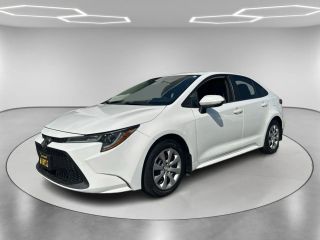
How to Connect Bluetooth in Toyota Corolla?

1Answers
LaElliot
07/24/2025, 05:05:28 PM

Toyota Corolla Bluetooth connection method is as follows: 1. Turn on both the mobile phone Bluetooth and the car Bluetooth, and keep them in a discoverable state; 2. Click to search for devices, then select the car Bluetooth; 3. Click on the car Bluetooth settings and pair; 4. In the settings interface, choose automatic connection. The Toyota Corolla is a compact car under Toyota, with a body length of 4635 mm, width of 1780 mm, height of 1455 mm, and a wheelbase of 2700 mm. The Toyota Corolla is equipped with two engines: one is a 1.8L naturally aspirated engine, and the other is a 1.2L turbocharged engine.

Was this review help?
115
Share
More Q&A

What day can you not sell cars on?

In the United States, you generally cannot sell cars on Sunday in several states due to "blue laws." These laws restrict or prohibit automobile sales on Sundays, a practice rooted in historical religious observance. Currently, a notable number of states maintain some form of Sunday sales restriction for auto dealerships. The core reason is state-specific "blue laws," which are regulations designed to restrict certain commercial activities on Sundays. Originally intended to enforce Sabbath observance, modern iterations often focus on providing a uniform day of rest for the automotive industry or reducing operational costs. According to industry analyses and reports from the National Automobile Dealers Association (NADA), as of recent years, over a dozen states still enforce bans or significant restrictions on Sunday car sales. These include states like Texas, Illinois, Missouri, and Colorado, though local county or city ordinances can create exceptions. The impact is primarily on licensed new-car dealerships. These bans typically do not apply to private individual sales or transactions conducted entirely online. For consumers, it means physical dealership lots are often closed, and sales contracts cannot be finalized in person that day. The rationale behind maintaining these laws varies. Proponents argue they ensure a predictable day off for dealership employees in a retail sector known for long hours. Market data also suggests minimal impact on total weekly sales volume, as transactions shift to other days. Opponents view the laws as outdated, limiting consumer convenience and free market competition. State Group Typical Restriction Consumer Impact States with Full Bans (e.g., TX, MO, IL) Complete prohibition of vehicle sales at dealerships on Sunday. Dealerships closed for sales; no test drives or final purchases possible. States with Partial/Local Bans (e.g., CO, MN) Bans may apply only to certain counties or vehicle types (e.g., new cars only). Must verify local laws; availability varies within the state. States with No Restrictions (e.g., CA, FL, NY) No state-level ban on Sunday car sales. Dealerships open at their own discretion; normal business possible. Before visiting a dealership, especially on a weekend, it is prudent to check your specific state and local regulations. A quick call to the dealership or a review of their posted hours will confirm if Sunday sales are permitted in your area. The trend in recent decades has been a gradual erosion of these laws, but they remain a defining feature of the automotive retail landscape in many regions.
114
Share

What cars are most impacted by tariffs?

Toyota faces the highest absolute financial impact from U.S. tariffs, but trade policies disproportionately affect brands with heavy import reliance, particularly luxury and electric vehicle manufacturers. According to industry analyses, proposed tariff changes could impose a direct cost of over $9 billion on Toyota. However, the impact is broader, with brands like Mercedes-Benz, BMW, and Subaru , which import a significant majority of their U.S.-sold vehicles, also highly vulnerable. The financial burden is measured directly in increased costs for automakers, which may be passed to consumers. The following table outlines estimated impacts based on reported figures and import volume analyses: Brand (Parent Company) Key Impact Factor Estimated Financial Exposure/Impact Primary Vehicle Segments Affected Toyota High import volume & specific model tariffs ~$9.1 billion (reported potential cost) SUVs (e.g., RAV4, 4Runner), crossovers, sedans Mercedes-Benz High reliance on EU & China imports Significant; majority of U.S. sales are imports Luxury sedans, SUVs, and all-electric models (EQ series) BMW Major production hubs in EU and China High; Spartanburg, SC plant exports offset some risk Luxury SUVs (X3, X5), sedans, and electric i-series Subaru Nearly all U.S. sales are imports from Japan High; limited U.S. production capacity Core lineup (Outback, Forester, Crosstrek) Volvo (Geely) Complex global supply chain from China & EU High, especially for electric Polestar & EX models Electric vehicles and luxury SUVs Beyond direct costs, tariffs create planning uncertainty. Automakers require long-term capital investment cycles for localizing production. Frequent or unpredictable tariff changes deter commitments to build U.S. factories, as seen in delayed decisions for new battery or assembly plants. This uncertainty can slow the transition to electric vehicles, which depend on globally sourced batteries and components. For consumers, tariffs on imported vehicles typically translate to higher sticker prices. Luxury European brands and niche Japanese models with no U.S. production are most susceptible to price hikes. In contrast, brands with extensive North American manufacturing, like Honda, Ford, and GM, are generally more insulated, though they remain vulnerable to tariffs on specific imported parts and components. The long-term market impact includes potential shifts in vehicle availability and affordability. Brands may streamline U.S. offerings, discontinuing low-volume imported models that become unprofitable. Conversely, sustained tariffs accelerate plans for local assembly, but this transition takes years. The immediate effect is a regressive cost added to the vehicle market, with import-dependent brands and their customers bearing the brunt.
147
Share

What conditions make you not able to drive?

You are legally and medically prohibited from driving if you have a condition causing sudden unconsciousness, significant cognitive impairment, or severe physical disability that cannot be safely managed. This includes uncontrolled epilepsy, recurrent fainting (syncope), advanced dementia, and severe sleep disorders like untreated sleep apnea . Legal frameworks worldwide mandate specific medical standards for driving fitness, primarily focused on public safety. The core principle is risk management: whether a condition substantially increases the likelihood of losing control of the vehicle. The prohibition is often not permanent but conditional on the severity, control, and treatment of the condition. For instance, many jurisdictions allow individuals with epilepsy to drive if they have been seizure-free for a specified period, typically 6 to 12 months , under medical supervision. Conditions like diabetes may only restrict driving if accompanied by recurrent hypoglycemic episodes that impair awareness. The table below summarizes key disqualifying medical conditions, their primary risks, and common regulatory stipulations based on guidelines from transport authorities in the US, UK, and EU: Medical Condition Primary Driving Risk Common Regulatory Stipulation / Threshold Epilepsy Sudden loss of consciousness/seizure. Mandatory seizure-free period (often 6-12 months). Must be under treatment and medical review. Syncope (Fainting) Sudden, unpredictable loss of consciousness. Driving banned until cause is identified and effectively treated to eliminate recurrence risk. Severe Visual Impairment Inability to read road signs, judge distances, see hazards. Must meet minimum visual acuity (e.g., 20/40 to 20/70 with correction) and sufficient field of vision (e.g., 120° horizontal). Unstable Cardiovascular Disease Sudden cardiac event (heart attack, arrhythmia) at the wheel. Restrictions post-heart attack or stroke; often a temporary ban (1-4 weeks minimum) until medical clearance. Advanced Dementia / Cognitive Decline Impaired judgment, confusion, getting lost, slow reaction times. License revoked upon diagnosis of moderate to severe dementia. Early-stage requires regular assessment. Untreated Severe Sleep Apnea Falling asleep at the wheel, extreme drowsiness. License suspended until treatment (e.g., CPAP therapy) is established and proven effective. Diabetes (with complications) Impaired awareness of hypoglycemia (low blood sugar). Restrictions if recurrent severe hypoglycemic episodes occur without warning, especially while awake. Certain Neurological Conditions Muscle weakness, spasticity, or lack of coordination affecting vehicle control. Assessment based on functional ability to operate controls safely and react promptly. Beyond these, substance abuse disorders, significant psychiatric conditions causing severe distraction or aggression, and use of high-dose sedating medications are also grounds for license suspension. The legal obligation to report such conditions to the licensing authority typically rests with the driver, and failure to do so can result in penalties and invalidated insurance. The assessment is ultimately individual. A doctor evaluates the specific impact of the condition on driving skills, the effectiveness of treatment, and the likelihood of an incident. The goal is to balance personal mobility with the overriding imperative to protect all road users.
215
Share

What are the best used car websites?

For most used car shoppers and private sellers in the current market, the top platforms are CarGurus for comprehensive listings and dealer ratings , CarMax for a seamless, no-haggle buying experience , Facebook Marketplace for direct private-party deals , and Cars.com for its extensive inventory and research tools . Each platform excels in a specific area, from certified pre-owned vehicles to local private sales, allowing users to target their search effectively. Choosing the right platform depends entirely on your primary goal: buying from a dealer, purchasing from a private seller, or selling your own vehicle. Market data from companies like Cox Automotive indicates that multi-channel shopping is now the norm, with buyers typically using a combination of these sites. For Buyers Seeking Dealer Inventory: CarGurus and Cars.com These aggregators compile listings from thousands of dealers, providing the widest selection. A key differentiator is transparency. CarGurus popularized a "deal rating" system, labeling listings as Fair Price, Great Price, or Overpriced based on its market analysis. This offers an immediate, data-driven starting point for negotiations. Both sites offer robust filters for price, mileage, and vehicle history reports. For a Hassle-Free Purchase: CarMax CarMax operates on a no-haggle pricing model. The price listed is the price you pay, which simplifies the process for buyers who dislike negotiation. Their strength lies in consistency and convenience . Every CarMax vehicle undergoes a standardized inspection and comes with a limited warranty. They also offer a 24-hour test drive and a 30-day return policy, significantly reducing purchasing anxiety. For Private-Party Transactions: Facebook Marketplace Facebook Marketplace has become a dominant force in private sales due to its massive user base and local focus. It allows for direct communication between buyer and seller. Success here requires more diligence. There’s no built-in vehicle history report or pricing guidance, so buyers must verify the VIN independently and research market value on other sites like Kelley Blue Book. Tools for Sellers and Dealers: vAuto and CarStory For professional sellers, platforms like vAuto (by Cox Automotive) provide deep market analytics to optimize pricing and inventory. CarStory, now part of CarGurus, uses AI to analyze vehicle images and descriptions, helping dealers market cars more effectively. Private sellers listing on platforms like Cars.com benefit from broad, qualified buyer exposure. Platform Best For Key Strength CarGurus Buyers seeking dealer cars with transparent pricing insights Deal Ratings, vast dealer network CarMax Buyers prioritizing a streamlined, no-haggle, certified experience Fixed Pricing, Nationwide Transfer, Return Policy Facebook Marketplace Buyers and sellers engaging in direct local private-party sales Immense local reach, no listing fees for individuals Cars.com Buyers conducting thorough research across a massive inventory Advanced filtering, reviews, and research content The most effective strategy is not to rely on a single website. Use aggregators (CarGurus, Cars.com) for research and price benchmarking, then check local private listings on Facebook Marketplace. For a premium on convenience and peace of mind, turn to CarMax. Always obtain an independent vehicle history report and a pre-purchase inspection, regardless of the platform.
257
Share

What car systems cause parasitic draw?

What car systems cause parasitic draw? Parasitic draw is most frequently caused by malfunctioning or continuously active components in the vehicle's electrical system. The primary culprits include faulty control modules, aftermarket installations, malfunctioning switches (like glove box or trunk lights), aging alternator diodes, and infotainment systems failing to enter sleep mode. These components can drain a healthy car battery within days or even overnight if the draw exceeds 50-75 milliamps (mA), the typical maximum acceptable threshold for most modern vehicles. Diagnosing a parasitic drain requires a systematic approach. The fundamental tool is a digital multimeter capable of measuring milliamps. You must first ensure all lights, accessories, and the vehicle itself are in a full sleep state, which can take up to 30-45 minutes after locking. Disconnect the negative battery cable and connect the multimeter in series between the terminal and the battery post. A reading beyond 75 mA indicates an abnormal draw. The next step is to pull fuses one by one while monitoring the multimeter. When the current draw drops significantly, you've identified the circuit causing the problem. Specific systems have well-documented failure modes leading to parasitic battery drain. Understanding these helps target diagnostics and manage expectations for repair costs. Faulty Control Modules: Modern cars contain dozens of electronic control modules (ECMs, BCMs, etc.). If these modules fail to power down due to software glitches or internal faults, they become a major drain source. This is often the most expensive repair, requiring module replacement or reprogramming. Aftermarket Electronics: Poorly installed alarms, dash cameras, audio amplifiers, or GPS trackers are leading causes. These devices often tap into constant power circuits without proper consideration for the vehicle's sleep protocol. Industry repair data suggests aftermarket installations are responsible for a significant portion of parasitic drain cases, especially in vehicles 3-10 years old. Malfunctioning Switches and Lights: Switches for interior lights (glove box, trunk, door courtesy lights) can wear out, keeping the lights on even when closed. Visual inspection at night can sometimes catch these issues, but a multimeter test confirms it. Alternator with Bad Diodes: A failed rectifier diode in the alternator can allow current to back-feed from the battery through the alternator, even when the engine is off. This drain can be substantial. The table below summarizes common sources, typical draw ranges, and diagnostic notes: System/Source Typical Draw Range (when faulty) Key Diagnostic Note Aftermarket Alarm/Radio 50 mA - 500+ mA Check immediately after installation; inspect wiring taps. Faulty Body Control Module 100 mA - 1000+ mA Current draw may remain high immediately after shutdown. Trunk/Glove Box Light Switch 150 mA - 300 mA (per bulb) Easy visual check; listen for relay clicks when closing. Faulty Alternator Diode 500 mA - 2000+ mA Disconnect alternator wiring; if draw drops, diode is likely bad. Infotainment/Sat-Nav 50 mA - 200 mA May fail to enter sleep mode; check for unit staying warm. Prevention is more cost-effective than diagnosis. When installing any aftermarket accessory, ensure the installer uses a switched ignition power source or incorporates a proper delay/voltage-sensing cut-off. Regular battery terminal cleaning prevents voltage sensing errors that can confuse modules. If a battery dies repeatedly, a parasitic drain is the probable cause and should be investigated before replacing the battery multiple times. Using a battery maintainer for vehicles parked for over a week can mitigate the effects of normal, acceptable parasitic draw and extend battery life.
251
Share

What are the easiest vintage items to sell?

Mid-century modern furniture, vintage Levi's jeans, classic video games, sterling silver jewelry, and certain branded toys are among the easiest vintage items to sell. Their high demand is driven by nostalgia, enduring style, and collector markets, not simply age. Items in good, usable condition with recognizable brands or iconic designs typically sell fastest online and at markets. The easiest vintage items to sell share common traits: they tap into strong nostalgia cycles (like 80s and 90s eras), have practical or decorative utility, and benefit from established collector communities. Marketplaces like eBay, Etsy, and Facebook Marketplace provide clear demand signals. Condition and brand recognition often outweigh sheer antiquity. An item from the 1990s in high demand can sell faster and for more than a delicate artifact from the 1920s. Vintage Clothing & Accessories: Denim is a standout category. A pair of vintage Levi's 501 jeans from the 1970s or 1980s in good condition can consistently fetch $100 to $400 or more, depending on the model and fade. Vintage band t-shirts, especially from iconic tours like Nirvana or The Grateful Dead, are highly liquid. Leather jackets, classic handbags (Coach, Dooney & Bourke from the 1990s), and distinctive dresses from brands like Gunne Sax also have rapid turnover. Furniture & Household Items: The Mid-Century Modern (MCM) aesthetic remains incredibly strong. Designers like Herman Miller, Eames, and Danish teak pieces are sought after. Simpler, functional items like Pyrex mixing bowls in popular patterns (like Gooseberry), old cast iron skillets (Griswold, Wagner), and quality wooden furniture (dressers, dining tables) sell easily because they are both decorative and usable. Toys & Pop Culture Memorabilia: This category is driven by generations with disposable income seeking childhood items. Original action figures from the 1970s-1990s (Star Wars, He-Man, G.I. Joe) in complete condition with packaging command high prices. Classic video games and consoles (Nintendo Entertainment System, cartridges like Super Mario Bros. 3 ) are perpetually in demand. Trading cards (pre-1980s sports cards, Magic: The Gathering from the 1990s) are another liquid asset. Jewelry & Small Collectibles: Sterling silver is a safe bet; it's easy to identify, has intrinsic material value, and styles from makers like Georg Jensen are collectible. Costume jewelry from signed designers (Trifari, Weiss) sells well. Vinyl records have seen a massive resurgence; while common records are worth little, first pressings of landmark albums by The Beatles or Pink Floyd move quickly. Analog cameras like Polaroids and certain 35mm models (Canon AE-1) are also reliable sellers. Category Examples Why It Sells Easily Key Market Note Clothing Vintage Levi's, Band Tees, Leather Jackets Durable, wearable fashion with enduring style. Size and condition are critical. Authenticity must be verifiable. Toys/Games Vintage Star Wars, NES Games, Polly Pocket Strong nostalgia from now-adult collectors. Completeness (box, accessories) multiplies value. Jewelry Sterling Silver, Signed Costume Pieces Tangible value and decorative appeal. Hallmarks and designer signatures are essential for pricing. Home Goods MCM Furniture, Pyrex, Cast Iron Functional art with current design relevance. Restored/refinished pieces can sell faster than poor-condition "projects." Media Vinyl Records, Popular Paperback Books Tangible media experience vs. digital. Condition of media and its cover/artwork is paramount. To sell successfully, research sold listings (not asking prices) on platforms to gauge real market value. Clean items thoroughly but avoid harsh restoration that damages patina. Take clear, well-lit photographs against a neutral background. Descriptions should be honest about flaws, include key details (measurements, materials, brand marks), and use relevant keywords (e.g., "vintage 70s boho dress").
139
Share
Cookie
Cookie Settings
© 2025 Servanan International Pte. Ltd.