If you can't understand the English on the dashboard, you can set it on the central control screen: display settings, driving mileage. After setting and exiting, you can see the fuel consumption per 100 kilometers. Here is some relevant information: 1. The relationship between vehicle weight and fuel consumption is directly proportional. It is said that for every 10% reduction in vehicle weight, fuel consumption will also decrease by a certain percentage. Lower aerodynamic drag significantly reduces fuel consumption. The relationship between these two factors is also directly proportional. 2. Try to improve the thermal efficiency of the engine: the thermal efficiency of a typical gasoline engine (i.e., the proportion of fuel converted into useful work) reaches over 30%, while diesel engines exceed 40%. This is the main reason why diesel engines are more fuel-efficient than gasoline engines.

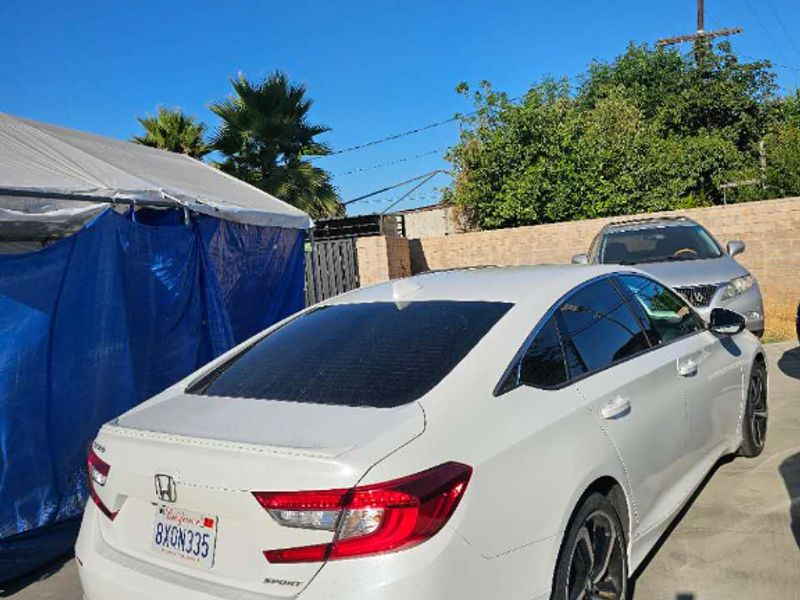
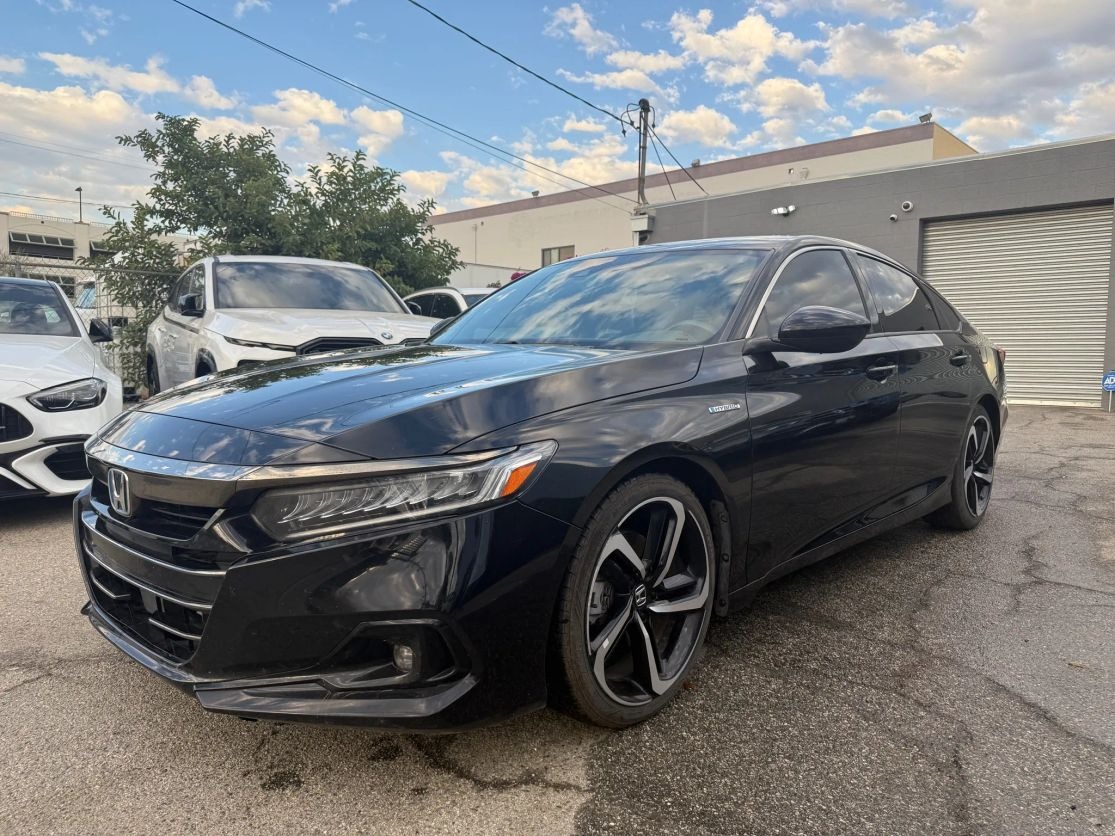
I've been driving a 10th-generation Accord for three years. When the fuel tank is full, the dashboard displays the estimated range based on real-time fuel consumption. In daily city driving, it shows around 580 kilometers, while highway cruising can reach up to 750 kilometers. However, the dashboard numbers fluctuate: right after startup, it might show only 200 kilometers, but it increases as you drive. For accurate measurement, note the odometer when filling up, then calculate the actual fuel consumption by dividing the kilometers driven by the fuel used next time you refuel. Also, don't push it when the fuel gauge reaches a quarter; the fuel pump relies on gasoline for cooling. Running it dry could cost over a thousand to replace the fuel pump.

Range depends on road conditions. Last time when stuck in traffic for 40 minutes taking kids to school, the displayed range dropped by 120 km immediately. It's recommended to find a gas station as soon as the fuel warning light comes on. The manual says you can still drive 50 km, but actual road conditions are complicated - don't take risks. Hybrid versions are more complex: after the is depleted, fuel consumption increases significantly. My friend's hybrid shows 1100 km range when fully charged, but only achieves 780 km on long trips. Never turn on AC cooling when the fuel gauge is empty - fuel consumption will surge by 30%.

The range displayed at the bottom right of the dashboard is just a reference value. I tested the 10th-gen Accord 1.5T with a 56L fuel tank, which had 8L remaining when the fuel light came on. During daily commuting with 8L/100km fuel consumption, it can run 700km, while aggressive driving drops the displayed range to 550km. For long trips, pay attention to tire pressure: a 0.3 difference in tire pressure increases fuel consumption by 1L per 100km. Regularly replacing the air filter can save 5% fuel, while a worn-out fuel filter increases consumption by 10%. The range estimation is lower during cold starts; recalculating after warming up the car provides more accurate results.

Actual range is determined by the condition of three major components: A severely carbon-fouled engine consumes 15% more fuel than a new one. After cleaning the throttle, the displayed range increased by 60 kilometers. Not changing transmission oil for 40,000 kilometers reduces transmission efficiency, shortening the range by 8%. Inflating tires to 2.5 bar saves 0.6L of fuel per 100 kilometers compared to 2.3 bar. Load has a significant impact: Every additional 200 kg reduces range by 10%. Using air conditioning in summer is more fuel-efficient than opening windows, but driving above 80 km/h with windows open increases fuel consumption. Don't fully trust the displayed data; calculating the actual mileage each time you refuel is the most reliable.

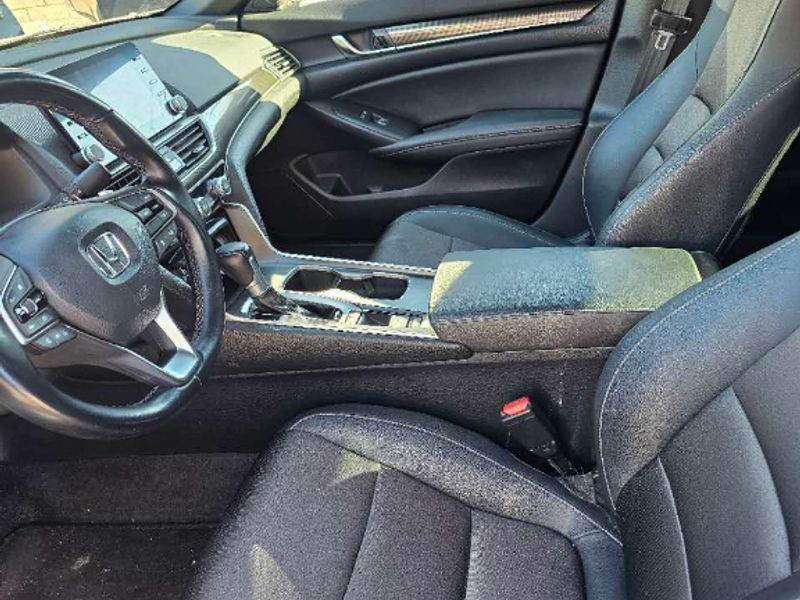
As a appraiser, evaluating the remaining lifespan of a 10th-generation Accord focuses on three aspects: The low fuel light indicates 30-50 km of remaining range, but prolonged low fuel levels can damage the 680 RMB fuel pump. Pay special attention to comprehensive fuel consumption—exceeding 10L in urban areas may indicate aging oxygen sensors (repair cost: 1200 RMB), while over 7.5L on highways warrants checking the catalytic converter (replacement cost: 3800 RMB). Document maintenance history: Timely spark plug replacements maintain factory fuel efficiency; skipping them can lead to a 15% increase in fuel consumption after 100,000 km. Odometer tampering is rampant in used cars—check seat wear to gauge true mileage, as tampered odometers cause erratic range calculations.