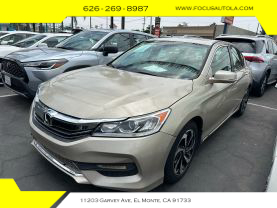
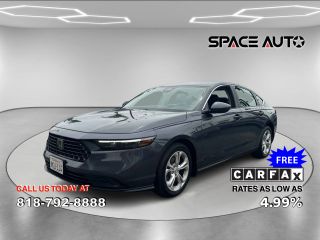
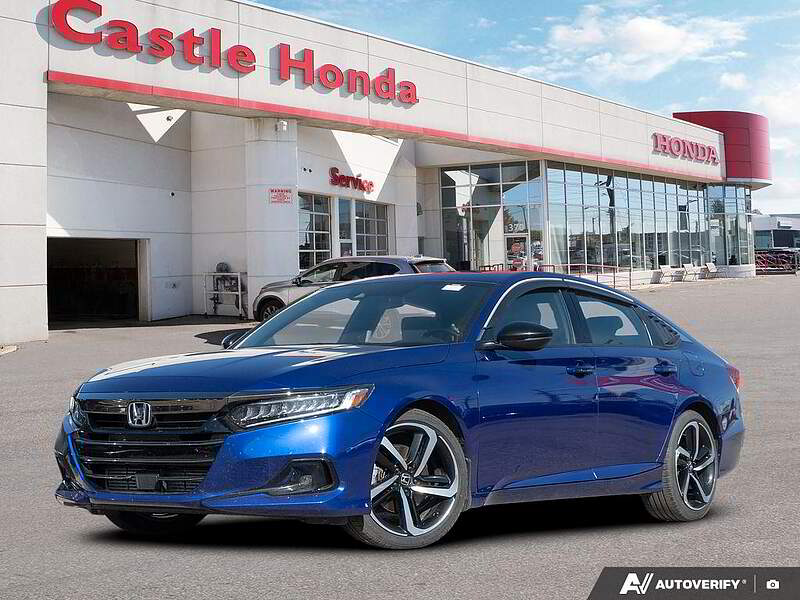
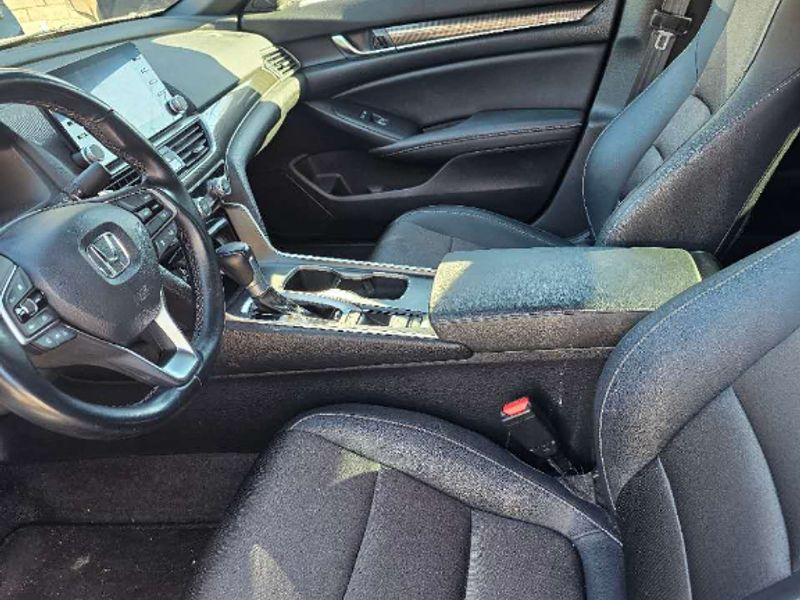
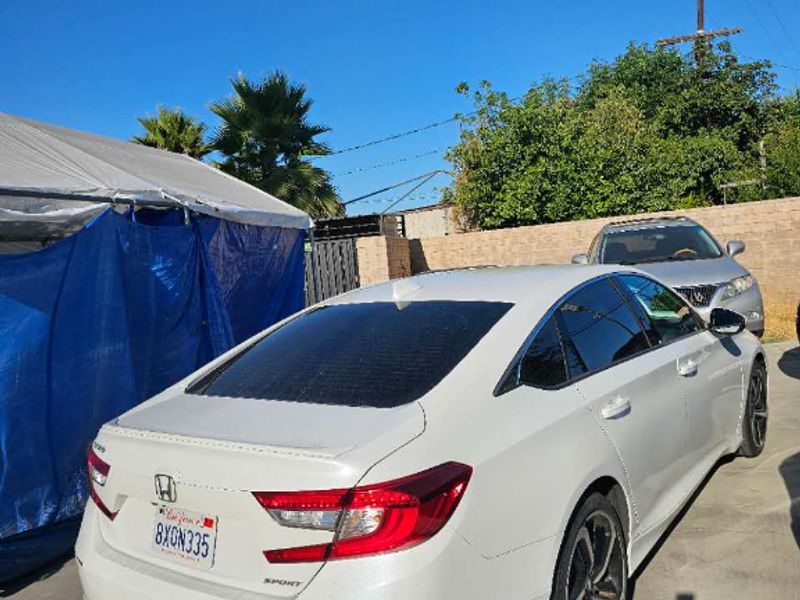
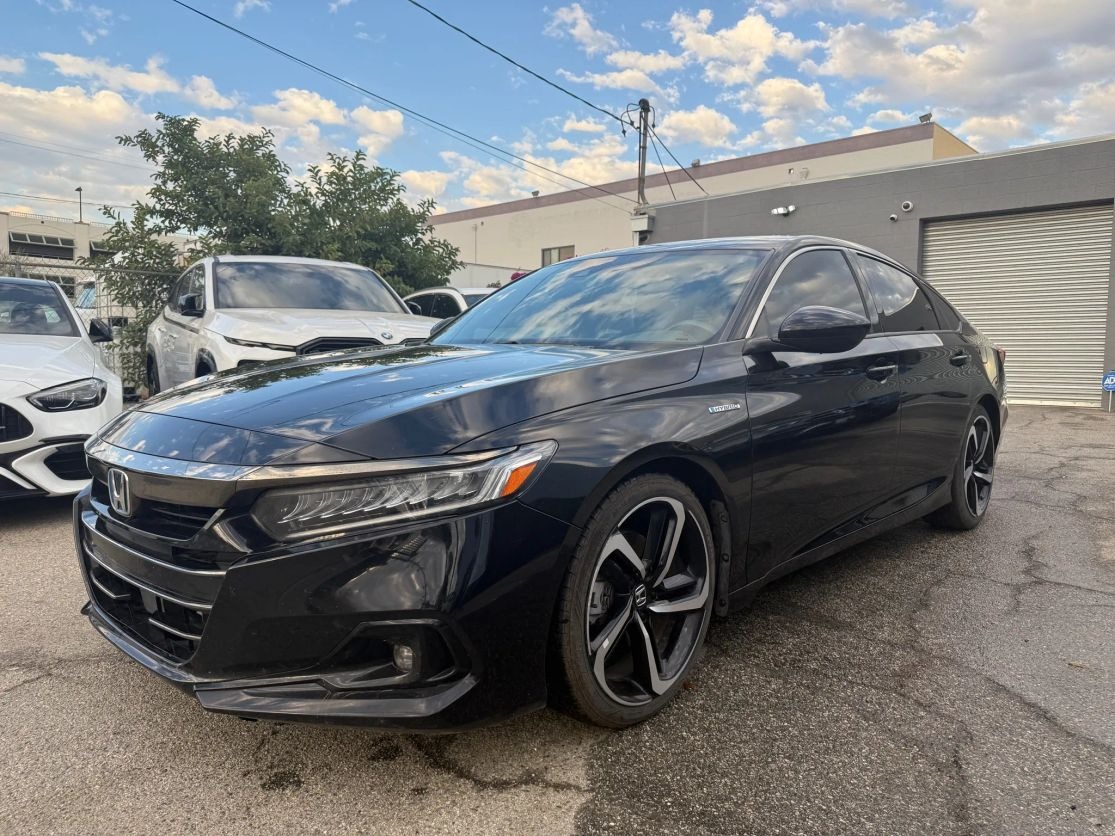
First, press the menu button on the left side of the steering wheel, select vehicle settings, and then choose tire pressure calibration. The Accord is a mid-size sedan under , with dimensions of 4893mm in length, 1862mm in width, 1449mm in height, and a wheelbase of 2830mm. More details are as follows: 1. The Accord is equipped with three types of engines: a 2.0L naturally aspirated engine, a low-power 1.5L turbocharged engine, and a high-power 1.5L turbocharged engine. The model with the 2.0L naturally aspirated engine is the hybrid version. 2. The low-power 1.5L turbocharged engine of the Accord delivers 177 horsepower and a maximum torque of 230 Nm. This engine reaches its maximum power at 6000 rpm and its maximum torque between 1500 to 3000 rpm. It features VTEC technology, direct fuel injection, and an aluminum alloy cylinder head and block. 3. The high-power 1.5L turbocharged engine produces 194 horsepower and a maximum torque of 260 Nm. It achieves maximum power at 5500 rpm and maximum torque between 1600 to 5000 rpm. This engine also incorporates VTEC technology, direct fuel injection, and an aluminum alloy cylinder head and block.

I was a bit confused when I first encountered the Accord's tire pressure warning, so I quickly checked the manual to share some experience. First, make sure the tires are inflated to the correct pressure, usually indicated on the door label, between 2.3 to 2.5 bar is normal. Then start the engine but don't drive, find the button on the left side of the steering wheel, press it a few times to enter the dashboard menu, scroll to the vehicle settings, and locate the tire pressure monitoring system reset option to confirm and cancel the warning. If the light still doesn't go off, there might be a leak or a malfunction. Once, I forgot to reset the system after inflating the tires, and the light remained on, but resetting it again solved the issue. Both high and low tire pressure are dangerous, increasing the risk of a blowout or higher fuel consumption. I check my tire pressure monthly to avoid problems. It's a simple operation that takes about ten minutes, but never ignore the warning—safety comes first.

Having driven for many years, I've seen the tire pressure light come on frequently. Handling it in an Accord is quite straightforward. First, check if the tires are properly inflated—don't be lazy. Then, reset the TPMS in the instrument settings. But the key is to identify the cause of the alarm, such as a slow leak from a nail puncture. Last time, I reset it only to find the tire completely flat later, nearly causing an accident. It's also important to observe tire wear when parking, and temperature changes can trigger false alarms—test more if the light persists. Repair shops can diagnose sensor failures, which aren't expensive. Spending a little saves big trouble. Experienced drivers know to act promptly to ensure safe driving without panic.

The core of canceling the tire pressure warning is resetting the system, with the prerequisite of ensuring the pressure meets standards. For the Accord, the operation is straightforward: start the car, press the steering wheel control button to enter the menu, select reset, and confirm. If the sensor malfunctions, replacement may be needed; using an OBD diagnostic tool is faster, but basic home methods are sufficient. Regularly checking tire pressure to prevent warnings is a simple, effective way to save both worry and money.

The tire pressure warning light came on while I was in a hurry to take the kids to school, so I learned a quick reset trick. First, inflate the tires to the standard value, then quickly reset via the dashboard menu. For daily , like adjusting pressure during seasonal changes, it helps avoid false alarms and ensures safety. I even set up phone reminders to check tire pressure. Don't overlook small issues—keeping everything normal ensures a steady drive.

Time-saving and effortless alarm cancellation quick fix: Reset the menu option directly after inflating the tire pressure. The operation takes only three minutes. If the light keeps coming on, a professional check for potential leaks or sensor issues is recommended. Proper tire pressure enhances range, saves fuel, and ensures stress-free driving.