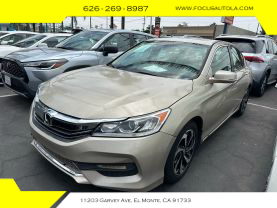
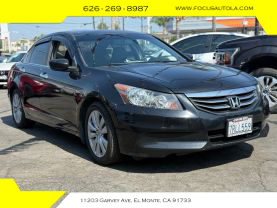
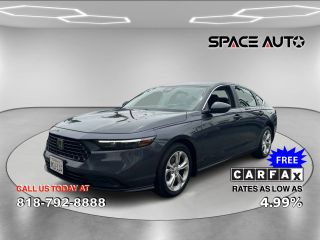
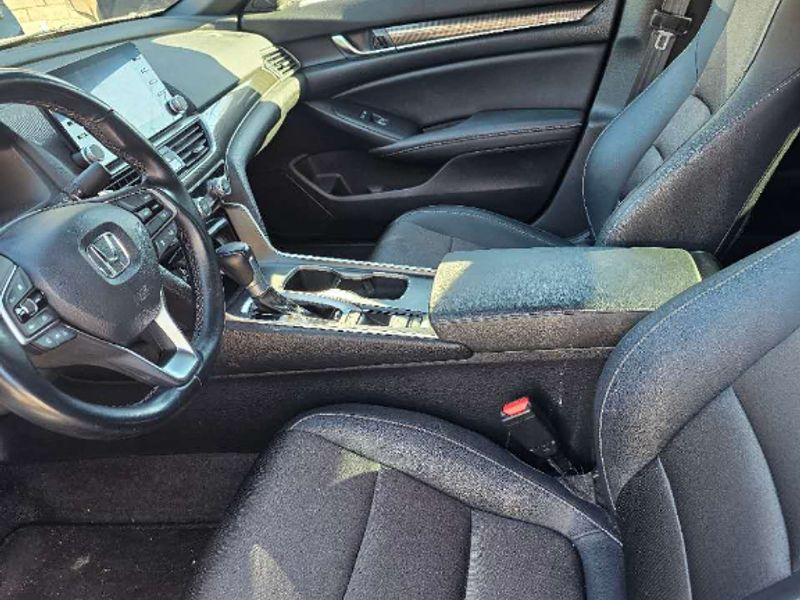
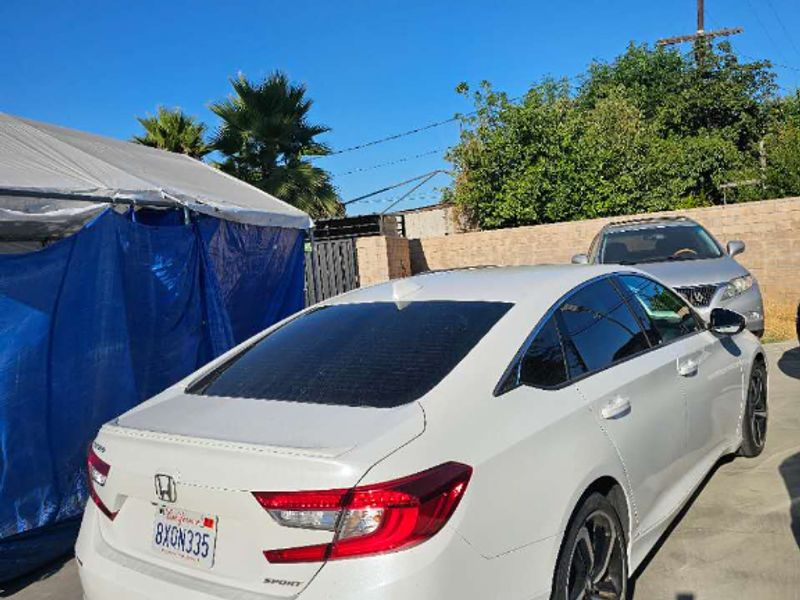
The brake pads on an Accord should be replaced after driving more than 30,000 kilometers, and there is no fixed replacement interval. The Accord brake pads use Ferodo FDB4673D, and the specific model depends on the vehicle version. Brake pads, also known as brake linings, are critical safety components in a car's braking system and play a decisive role. Taking the 2021 Accord Starry Sky Limited Edition as an example, this car has a length, width, and height of 4893mm, 1862mm, and 1449mm respectively, with a wheelbase of 2830mm. The 2021 Accord Starry Sky Limited Edition is equipped with a 1.5L turbocharged engine, with a maximum horsepower of 194ps, a maximum power of 143kw, a maximum torque of 260nm, and is paired with a continuously variable transmission.

After driving my Accord for several years, I personally believe that changing brake pads shouldn't solely depend on mileage—it should also consider driving habits. I mainly commute on highways where I don't use the brakes much, and when I last changed them at around 60,000 kilometers, they still had life left. But if you're like my neighbor, who frequently brakes hard in city traffic, you might need to check them as early as 40,000 kilometers. The key is to have the thickness measured during regular —replace them if they're under 3mm. Don't delay, or you risk damaging the brake rotors, which is costlier and more troublesome to fix. Safety-wise, it's also unreliable, especially in rainy conditions where brake failure could be disastrous.

As a car owner, safety comes first, and brake pad replacement should be promptly addressed. For cars like the Accord, it's generally recommended to inspect and replace them within 30,000 to 70,000 kilometers, but don't rigidly wait for these numbers. I've experienced reduced braking performance, such as longer stopping distances or a soft pedal, which are warning signs. If you hear unusual noises or see a dashboard warning light, replace them immediately. Not replacing them poses significant risks, like rear-end collisions at high speeds, and can double your repair bills. It's advisable to perform a simple self-check every 20,000 kilometers—use a ruler or your phone's flashlight to check for wear. It's easy and gives peace of mind.

I'm a frugal person, and the Accord doesn't cost much for , especially on brake pads. Learn to check and replace them yourself, ask a friend for help, and buy parts online to save hundreds compared to the shop. Normally, you won't need to worry for 50,000 km, but if you drive aggressively or the road conditions are poor, check earlier. Save money but not safety—replace them when they're down to 2-3 mm. Take a quick look at the tire gaps when washing your car regularly—easy and practical. Don’t fall for the dealership’s push for high-frequency replacements.

Using the Accord for daily school runs, brake pad changes are tied to family life. I drive smoothly, but with frequent city traffic lights, replacements occur roughly every 40,000 km. The dealership recommends checking thickness during each service – overly worn pads impair braking, causing uncomfortable judder. Early replacement prevents emergency brake failure, keeping kids safe in the backseat. The vehicle app helps estimate the next change for convenience. Always opt for OEM or reputable aftermarket parts to avoid rework hassles.

In the era of driving, changing brake pads relies on judgment. My Accord's braking system has sensor alerts, but the specific mileage varies by individual. With prolonged highway driving, they can last up to 70,000 kilometers. It's recommended to use vehicle data for assistance, such as downloading a driving habit app to track braking frequency. Extend replacement intervals if road conditions are good, but reduce to 40,000 kilometers for city traffic jams. Balance economy and safety, and don't forget to measure thickness during maintenance, choosing compatible parts for cost-effectiveness and durability.