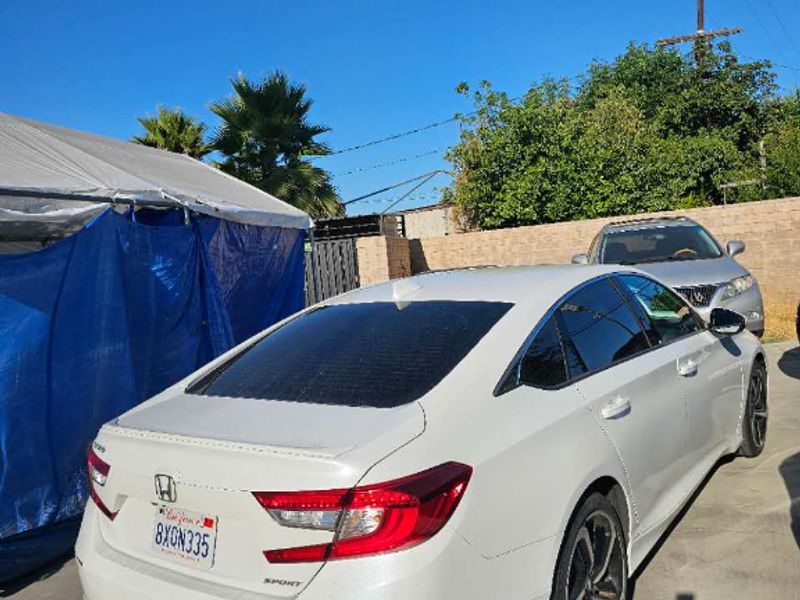
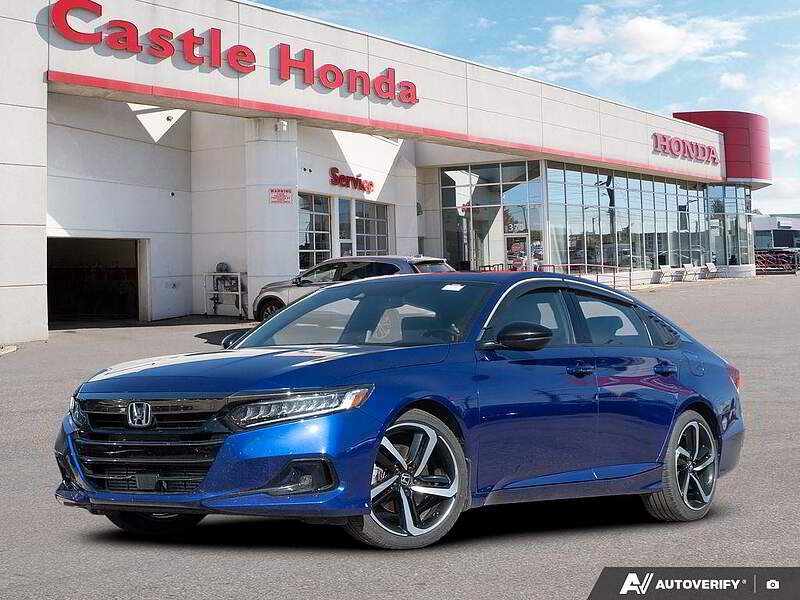
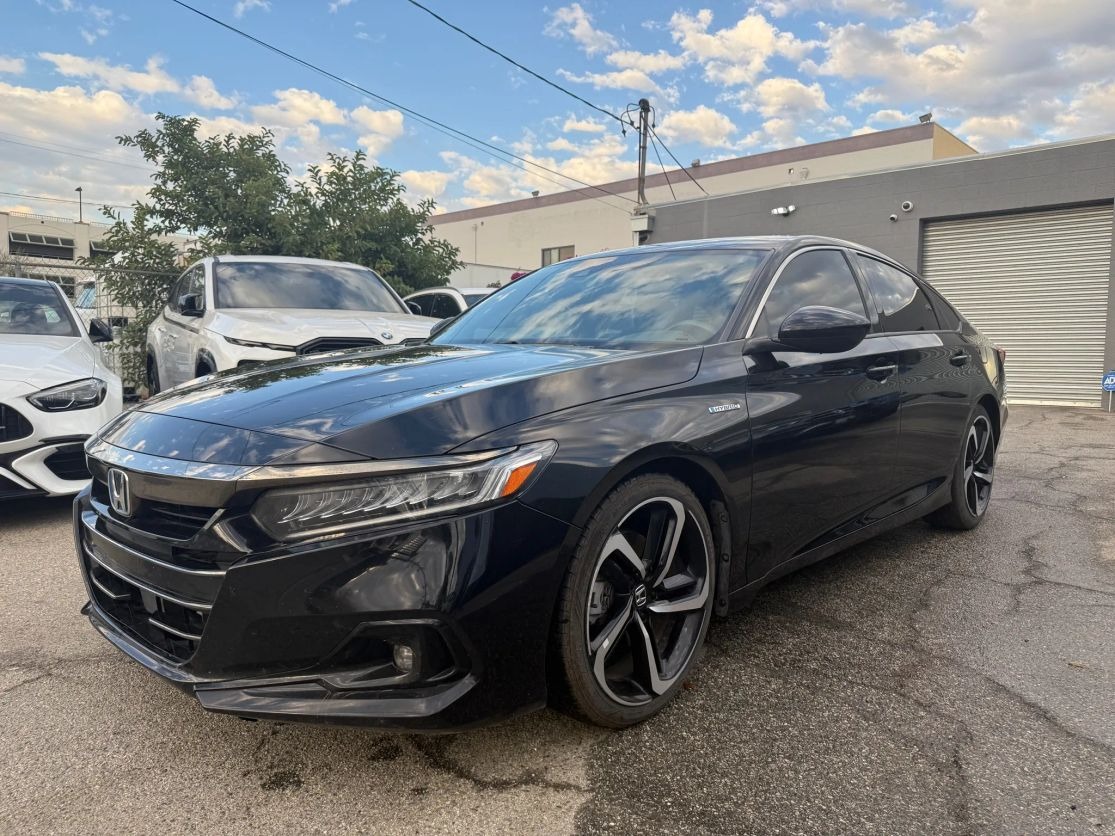
The Accord Hybrid does not qualify for a green license plate. The Accord Hybrid is a gasoline-electric hybrid vehicle and cannot be considered a true new energy vehicle. Strictly speaking, it can only be classified as an energy-efficient vehicle. Only plug-in hybrid electric passenger vehicles are eligible to apply for green license plates. The Accord Hybrid is a mid-size car launched by Honda, with dimensions of 4893mm in length, 1862mm in width, and 1449mm in height, and a wheelbase of 2830mm. It is equipped with a 1.5T turbocharged engine, delivering a maximum power of 143kW and a maximum torque of 260Nm, paired with an E-CVT continuously variable transmission.

When I was considering the Accord Hybrid, I paid special attention to the green license plate issue because living in Shanghai, a green plate offers benefits like exemption from purchase tax, free parking, and avoiding traffic restrictions. Although the Accord Hybrid features hybrid technology with excellent fuel efficiency, it's the type that cannot be charged externally, known as HEV (Hybrid Electric Vehicle), and doesn't qualify as a Plug-in Hybrid Electric Vehicle (PHEV) or a pure Electric Vehicle (EV). China's new energy policy stipulates that only PHEVs and EVs are eligible for green license plates, so the Accord Hybrid doesn't meet the criteria and can only get a regular blue plate. When choosing a car, I had to weigh the pros and cons: while the hybrid offers low fuel consumption of around 5 liters per 100 kilometers, saving money and being environmentally friendly, it lacks the convenience brought by the green plate. If you're really after a green plate, you might want to consider plug-in hybrid models like the Toyota Corolla Twin Engine E+, which combines the advantages of charging and traditional fuel use.

As an avid car enthusiast, I've researched various hybrid technologies. The Accord Hybrid utilizes Honda's i-MMD system, renowned for its excellent fuel efficiency, but it's a conventional hybrid that cannot be plugged in for charging. Therefore, according to China's new energy vehicle catalog, it doesn't qualify for the green license plate. Green plates are exclusively for pure electric and plug-in hybrid vehicles (such as the Han DM) because they can drive dozens of kilometers on electric power alone. This is somewhat unfortunate for the Accord Hybrid – it delivers great fuel economy but misses out on green plate benefits. When purchasing a car, practical considerations come into play: in cities with license plate restrictions, for example, green plates exempt owners from auction fees and save hundreds in monthly parking fees. However, as a transitional option, the Accord Hybrid offers low maintenance costs and high reliability, making it worth considering. If policies become more lenient in the future, HEVs might be included in the green plate category, but for now, they're limited to blue plates.

I'm to buy an eco-friendly car, and the Accord Hybrid is my top choice due to its low fuel consumption and stylish design. However, after checking the official website and consulting with sales, I confirmed that it doesn't qualify for a green license plate because green plates require plug-in hybrid or pure electric models. The Accord Hybrid can only run on a combination of gasoline and electricity, without pure electric range, so policy restrictions assign it a blue plate. This makes me hesitate, as green plates offer many benefits: exemption from thousands in purchase tax in big cities and free parking, making commuting more convenient. Although the Accord Hybrid saves about 25% on fuel daily and reduces carbon emissions, if I prioritize the full advantages of a green plate, I might consider GAC Honda's plug-in version or Tesla. After test-driving the new car, I found the hybrid's comfort and low noise levels quite impressive. Given the current policies, I have to accept reality and am preparing to choose it.

Having focused on eco-friendly transportation for years, the Accord Hybrid indeed saves energy and reduces emissions, emitting approximately 20% less CO2 than conventional vehicles. However, it is neither a pure electric nor a plug-in hybrid model, qualifying only for a regular blue license plate rather than a green one. Under Chinese standards, green plates represent true new energy vehicles that must support external charging for propulsion. As an HEV, the Accord Hybrid reduces reliance on fossil fuels, but its lifecycle carbon emissions are slightly higher than those of PHEVs. When purchasing the car, I considered this: green-plate vehicles enjoy substantial urban subsidies, such as purchase tax exemptions of up to 10,000 yuan, while the Accord Hybrid saves costs through fuel efficiency, cutting annual fuel expenses by around 5,000 yuan. For a greener commute, opting for a plug-in model eligible for a green plate is recommended to minimize overall air pollution impact.

Budget control is my top priority when a car. The fuel efficiency of the Accord Hybrid is very appealing, but after consulting the salesperson, I learned it doesn’t qualify for a green license plate. Green plates are issued to plug-in hybrids or pure electric vehicles, which enjoy government subsidies, exemption from purchase tax, and benefits like free charging station installation. The Accord Hybrid, as a conventional hybrid that cannot be charged externally, only qualifies for a blue license plate. In cities like Shanghai, this means paying tens of thousands for a license plate auction. I compared costs: the hybrid’s fuel consumption is around 5L/100km, saving thousands annually on fuel. However, green-plate subsidies lower the initial price of eligible vehicles. Choosing the Accord Hybrid means accepting these limitations, though its low-maintenance and durability make it cost-effective long-term. If I were to choose again, I’d prioritize green-plate models to save major upfront expenses.