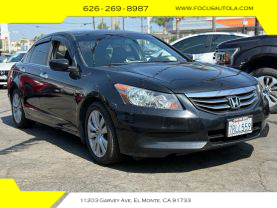
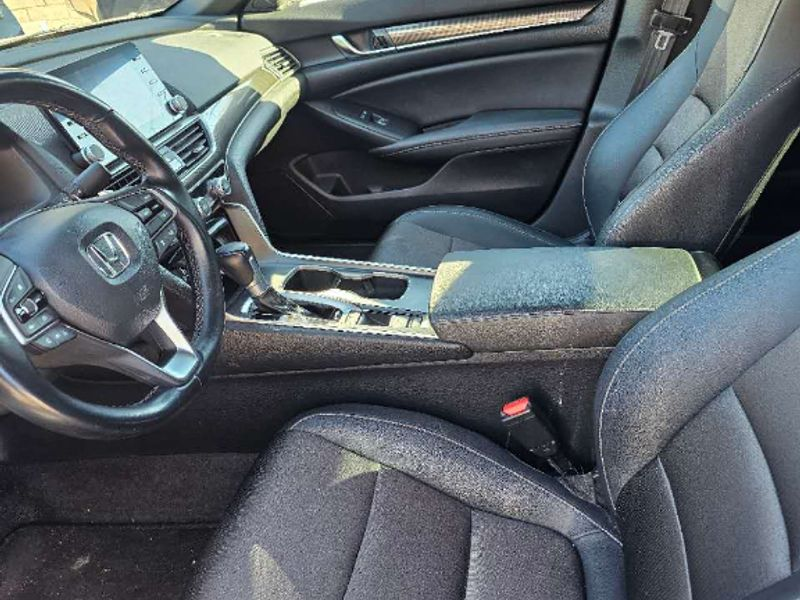
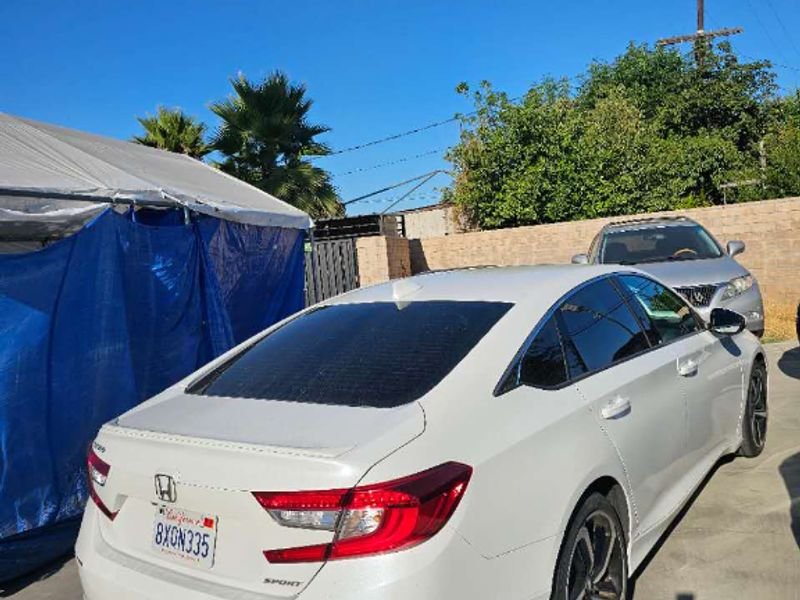
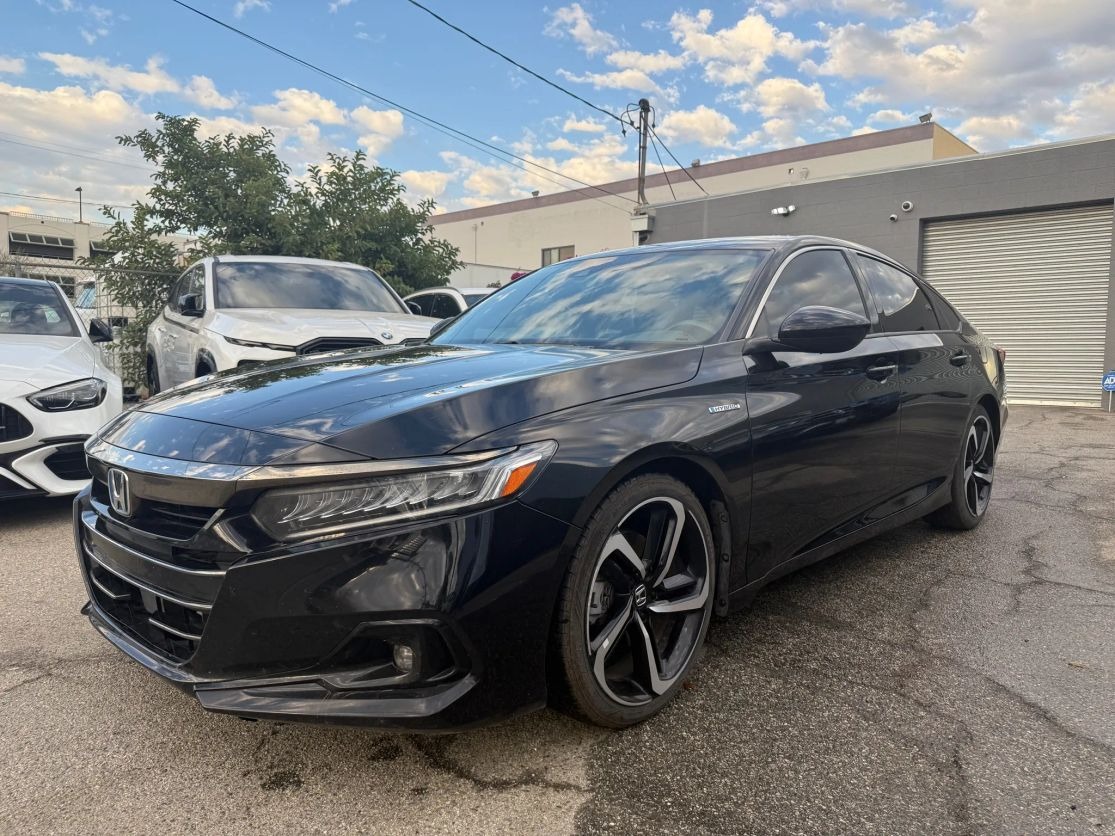
It is recommended to change the Accord power steering fluid every two years or 40,000 kilometers. If not changed for a long time, it may cause the steering to become heavier or produce noise. Here is some information about the Accord: 1. Building on Honda's unique VTEC technology, the Accord employs direct injection, Atkinson cycle, and VTC (Variable Timing Control), along with an EGR (Exhaust Gas Recirculation) system, improving fuel economy by 13% and increasing maximum torque by 8%. 2. The use of a high-strength transmission belt achieves a wide gear ratio, ensuring efficient transportation. Through "G-Design Shift" control technology, it quickly responds to the driver's demands.

I remember when driving my Accord, power steering fluid replacement was a common topic. Generally, it's recommended to change it every two years or 30,000 to 50,000 kilometers, depending on your driving habits. For example, if you frequently encounter city traffic jams, the fluid gets dirty more easily, so you should check it earlier. Personally, I go to the 4S dealership every two years for a replacement. They follow a standard procedure, which takes about half an hour, and the cost isn’t high. If you don’t change it, the steering can become heavy, and it may even damage the hydraulic pump. You can usually pop the hood to check the fluid color—if it’s dark brown or has a burnt smell, it’s time for a change. Many car owners share stories of neglecting and ending up spending a lot on repairs later, which really isn’t worth it. Keeping the power steering system clean ensures smooth driving. Oh, and since temperature changes between winter and summer accelerate fluid aging, regular checks are crucial.

As someone who has driven for over 20 years, I've always paid close attention to power steering fluid . The Honda Accord's steering system is excellent, but the power steering fluid degrades over time, affecting lubrication and steering smoothness. It's recommended to change it every two years or around 40,000 kilometers, as stated in the new car manual. The key is not to delay too long, otherwise sludge buildup can make steering difficult, especially dangerous on long trips. I make it a habit to check the fluid level and color every six months, replacing it promptly if it appears cloudy. Changing the fluid is simple and can even be a DIY job—first drain the old fluid and add new, ensuring the correct specification like Dexron or the manufacturer's specified type. Proper maintenance of the power steering system can significantly extend the vehicle's lifespan.

From a technical perspective, the frequency of power steering fluid replacement depends on multiple factors. In the Accord's hydraulic power steering system, the fluid can oxidize and thicken, reducing efficiency. The standard recommendation is to replace it every two years or 30,000 kilometers. Expired fluid may cause heavy steering, noise, or leaks. During inspection, check if the fluid level meets the scale mark. Extending replacement intervals increases wear risks. Always use genuine fluid during to ensure compatibility.

Driving an Accord is worry-free, but don't forget to change the power steering fluid regularly. Typically, it should be replaced every two years or between 20,000 to 50,000 kilometers depending on the condition. I check the fluid level every six months and replace it early if it turns black or has sediment. Changing the fluid is quick and can be easily done at a professional shop. Neglecting can cause stiffness when steering, affecting driving safety. Developing good habits helps your car last longer.

I frequently drive my Accord on highways, so power steering fluid needs more attention. The general rule is to change it every two years or 30,000 kilometers, but if you do a lot of long-distance driving on bumpy roads, it's better to replace it around every 18 months. Fluid degradation can cause sluggish steering response. Checking is simple—just open the cap and observe the fluid color. Timely replacement ensures smooth system operation. Don't wait until problems arise and you have to pay for repairs.