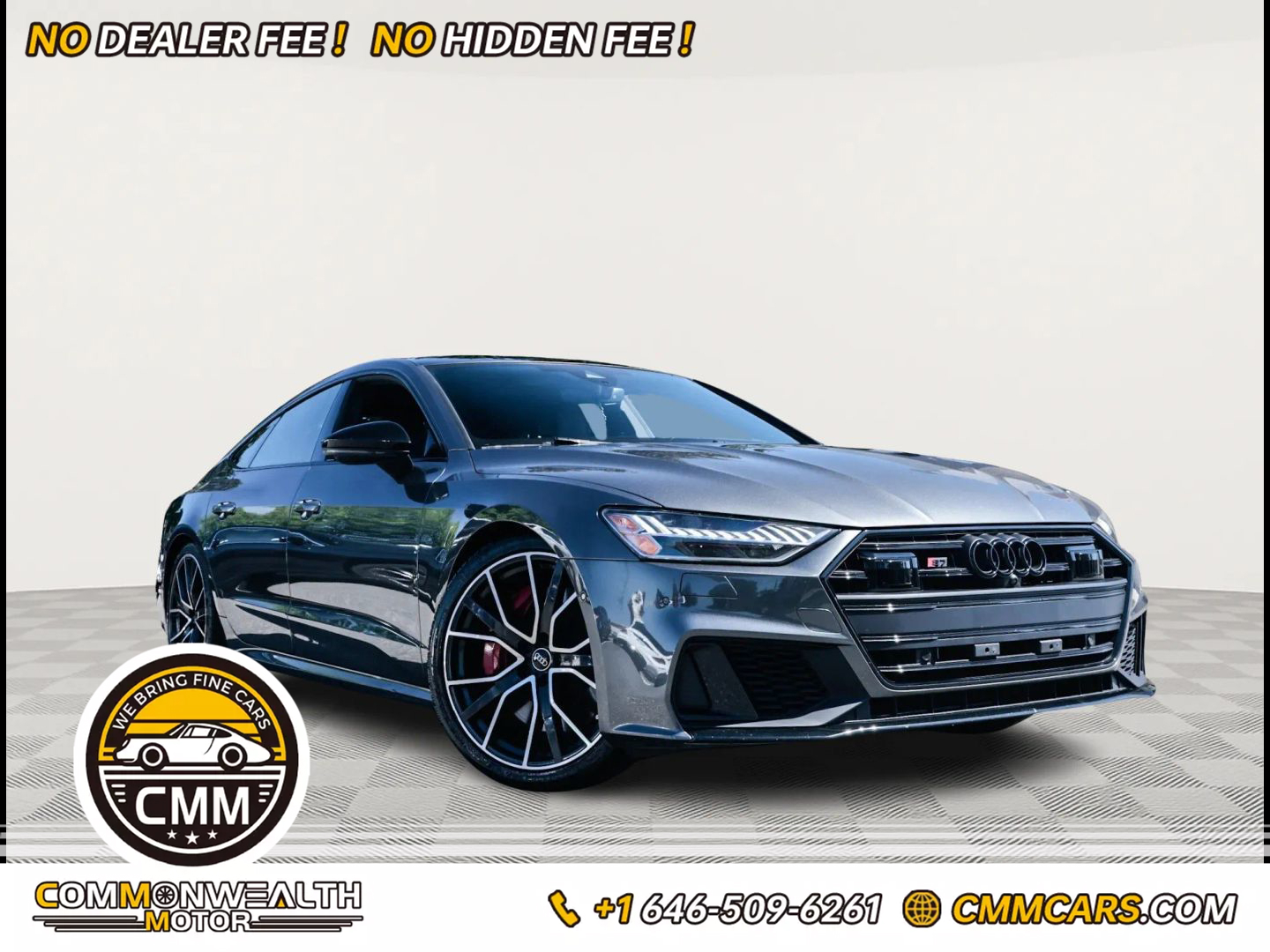
RS7's engine is an 8-cylinder. Below is relevant information about the Audi RS7: 1. Interior: The instrument panel features a black background with white scales and red pointers, with a three-dimensional RS7 logo at the center of the tachometer serving as a highlight. The RS emblem is present on the car key, flat-bottom three-spoke leather steering wheel, sport front seats, welcome pedals, as well as the MMI system and driver information system. For decoration, the car comes standard with carbon fiber trim and offers three other materials as optional upgrades. The roof lining is standard black fabric, with an option for black Alcantara material. 2. Performance: The Audi RS7 is equipped with a 4.0 TFSI V8 twin-turbocharged direct injection engine, delivering a maximum power of 412 kW and a peak torque of 700 Nm. It is paired with an 8-speed automatic transmission and also features the quattro all-wheel-drive system. The 0-100 km/h acceleration time is just 3.9 seconds.

Talking about the RS7, it's absolutely amazing! It's equipped with a 4.0-liter V8 twin-turbocharged engine, featuring a standard 8-cylinder design, delivering an impressive output of around 600 horsepower. More cylinders mean insane power, with a 0-100 km/h acceleration in just over 3 seconds. The deep and powerful engine roar on the highway gets every cell in your body pumped. Compared to the regular Audi A7's 6-cylinder engine, the RS7 is a performance beast, offering much stronger acceleration and incredibly stable handling during turns. As a car enthusiast, I believe the cylinder count is its soul—the V8 layout has a long history and is a hot topic among car enthusiasts. During maintenance, pay attention to checking the health of the cylinders to prevent overheating or carbon buildup issues, and be meticulous with every oil change. In short, the RS7's 8-cylinder engine represents passionate driving and is definitely a street stunner.

I've driven the RS7 a few times, and it's equipped with an 8-cylinder V8 engine, specifically the 4.0T twin-turbo version. The high cylinder count makes the car extremely quick off the line, giving you a confident and exhilarating feeling when overtaking. However, the daily fuel consumption is quite high—I've recorded over 15 liters per 100 kilometers. Compared to a 6-cylinder car, it runs more smoothly, with no shaking in traffic jams, making the driving experience much more comfortable. The engine sound is deep and robust, especially when you floor the throttle at low speeds—the roar is particularly thrilling. In terms of maintenance, engines with more cylinders require more meticulous care, such as frequent checks on pistons and turbos. If you're after driving excitement, the RS7's 8-cylinder is worth a try, but driving it in the city comes with significant environmental concerns.

The RS7 is equipped with an 8-cylinder engine, specifically a 4.0-liter V8 twin-turbo. The number of cylinders directly impacts performance, delivering approximately 600 horsepower. This enables rapid acceleration, with 0-100 km/h achieved in just over three seconds. The cylinder count optimizes power response, ensuring smooth and efficient engine operation at high speeds. Technically, a multi-cylinder layout requires an efficient cooling system, and long-term use necessitates attention to carbon deposit cleaning. Simply put, the RS7's 8-cylinder configuration makes it a top-tier sports coupe.

When it comes to the RS7, like the BMW M5, it also uses an 8-cylinder V8 engine. More cylinders bring linear torque output, fast acceleration, stable braking, and more immediate power response compared to 6-cylinder cars. Most high-performance cars today use multi-cylinder designs, but with the trend toward electrification, the number of cylinders may change in the future. The RS7 sticks with the V8, offering a unique charm in sound and driving feel. Regular maintenance should focus on cylinder sealing to ensure long-term reliability. High-cylinder-count cars are suitable for the racetrack or long-distance high-speed driving, but may not be practical for short urban trips.

I've experienced driving the RS7 daily. It relies on an 8-cylinder V8 engine, delivering fierce acceleration but with high fuel consumption, often exceeding 15L/100km. The high cylinder count leads to increased emissions, making it somewhat awkward from an environmental perspective, but the engine sound is exhilarating, providing great stress relief on highways. Compared to smaller-cylinder cars, the RS7's higher cylinder count means more expensive maintenance, requiring precautions against carbon buildup or overheating. As an owner, enjoying the performance of an 8-cylinder engine also requires balancing convenience and costs. The future trend may shift towards electric, but the V8 remains a classic.